
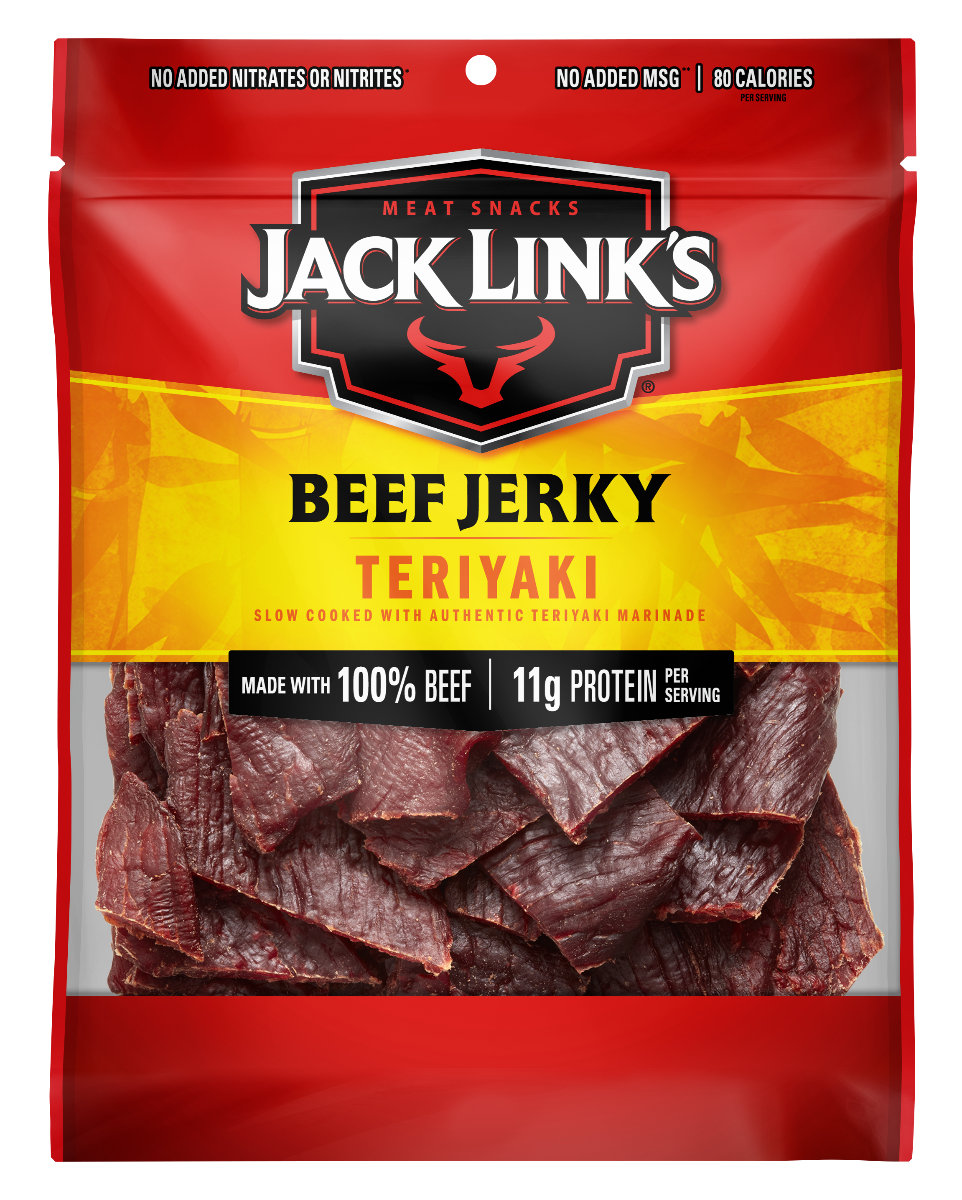



Beef Jerky Teriyaki
Near you
Wegmans is carried at Wegmans stores. Find one within 25 miles.
Summary
This beef jerky is heavily processed, which limits its healthiness despite containing beneficial ingredients like beef and garlic. The presence of added sugars, such as sugar and brown sugar, contributes to excessive calorie intake without nutritional benefits. The product's high processing level and inclusion of smoke flavoring further detract from its overall nutritional quality.
At a glance
Key ingredients 12
BeefGood
Beef is a high-quality source of protein, providing essential amino acids necessary for muscle repair and growth. It is rich in vitamins and minerals such as iron and B12, which are crucial for energy production and red blood cell formation. Grass-fed beef is preferable due to higher omega-3 content and better fat profile.
Risks
Excessive consumption of red meat has been linked to increased risk of heart disease and certain cancers.
Benefits
Rich in protein and essential nutrients like iron and vitamin B12, supporting muscle health and energy levels.
Teriyaki SauceNeutral
Teriyaki sauce is a flavoring agent made from soy sauce, sugar, and other ingredients, providing a sweet and savory taste. It is often high in sodium and sugar, which can be a concern for those monitoring their intake. The sauce adds flavor but does not contribute significant nutritional benefits.
Risks
High sodium and sugar content can contribute to hypertension and increased calorie intake.
Benefits
Enhances flavor, making the product more palatable.
WineNeutral
Wine is used in cooking to enhance flavor and tenderize meat. The alcohol content typically evaporates during cooking, leaving behind flavor compounds. It does not provide significant nutritional benefits in small quantities used for cooking.
Benefits
Adds depth of flavor to the product.
SugarBad
Refined sugar is used as a sweetener and preservative in processed foods. It contributes to increased calorie intake without providing essential nutrients. Excessive consumption is linked to obesity, type 2 diabetes, and dental issues.
Risks
High intake of refined sugar can lead to weight gain, insulin resistance, and increased risk of chronic diseases.
Benefits
Provides sweetness and acts as a preservative, but offers no nutritional benefits.
WaterNeutral
Water is used as a solvent and to maintain moisture in food products. It is essential for hydration but does not contribute calories or nutrients in this context. Its presence helps in mixing and dissolving other ingredients.
Benefits
Essential for hydration and helps in processing other ingredients.
VinegarNeutral
Vinegar is used for its acidic properties to enhance flavor and preserve food. It can aid in digestion and has antimicrobial properties. However, in small amounts, it does not provide significant health benefits.
Benefits
May aid digestion and enhance flavor.
SaltNeutral
Salt is used to enhance flavor and preserve food. It is essential for maintaining fluid balance and nerve function but should be consumed in moderation. Excessive intake can lead to hypertension and cardiovascular issues.
Risks
High sodium intake is associated with increased blood pressure and risk of heart disease.
Benefits
Enhances flavor and acts as a preservative.
SpicesNeutral
Spices are used to enhance flavor and may provide antioxidant properties. They contribute to the sensory appeal of food without adding significant calories. The specific health benefits depend on the type of spices used.
Benefits
May provide antioxidants and enhance flavor.
Succinic AcidNeutral
Succinic acid is used as a flavor enhancer and acidity regulator in food products. It is generally recognized as safe when used in small amounts. It does not provide nutritional benefits but helps maintain product stability.
Benefits
Enhances flavor and helps maintain product stability.
GarlicGood
Garlic is known for its potential health benefits, including antimicrobial and anti-inflammatory properties. It contains compounds like allicin that may support heart health. It adds flavor and potential health benefits to the product.
Benefits
May support heart health and provide antimicrobial benefits.
Brown SugarBad
Brown sugar is a refined sugar with molasses, used for sweetness and flavor. It contributes to calorie intake without providing essential nutrients. Excessive consumption is linked to obesity, type 2 diabetes, and dental issues.
Risks
High intake of refined sugars can lead to weight gain, insulin resistance, and increased risk of chronic diseases.
Benefits
Provides sweetness and flavor, but offers no nutritional benefits.
Smoke FlavoringNeutral
Smoke flavoring is used to impart a smoky taste to foods without traditional smoking methods. It is generally recognized as safe but does not provide nutritional benefits. It enhances the sensory appeal of the product.
Benefits
Enhances flavor, providing a smoky taste.
Processing
Ultra-Processed Foods
Get the full breakdown in the Scout app
Scan any product to see lab results, healthy alternatives, and your personalized analysis.
Download on theApp Store