
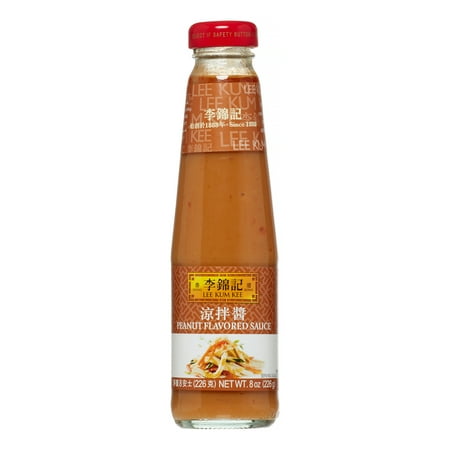


Lee Kum Kee Peanut Sauce
Analysis updated April 2026 · How Scout scores
At a glance
Summary
This peanut sauce is heavily processed, containing multiple additives such as preservatives and emulsifiers, which contribute to its high processing level. While it includes beneficial ingredients like sesame oil and garlic powder, the presence of refined sugar and a high sodium content detract from its overall healthiness. The combination of these factors results in a moderate score, reflecting both its redeeming qualities and notable issues.
Key ingredients 13
Sesame OilGood
Sesame oil is a flavorful oil rich in monounsaturated and polyunsaturated fats. It contains antioxidants like sesamol and sesamin, which may have health benefits. Its use in moderation can support heart health and add depth to dishes.
Risks
Potential allergen for individuals with sesame allergies.
Benefits
Rich in healthy fats and antioxidants that support heart health.
Garlic PowderGood
Garlic powder is a dehydrated form of garlic that retains many of its health benefits. It contains compounds like allicin, which have been linked to cardiovascular health. Its concentrated flavor allows for use in small amounts, enhancing dishes without significant calorie addition.
Benefits
Contains allicin, which may support heart health and provide antimicrobial properties.
WaterNeutral
Water is a neutral ingredient used as a base in many food products. It does not contribute any nutritional value or health risks. Its primary role is to provide consistency and volume.
See more about Water →Peanut PasteNeutral
Peanut paste is made from ground peanuts and provides protein and healthy fats. It can be a source of allergens for some individuals. While it offers some nutritional benefits, it is calorie-dense and should be consumed in moderation.
Risks
Potential allergen for individuals with peanut allergies.
Benefits
Rich in protein and healthy fats, contributing to satiety and energy.
Soy SauceNeutral
Soy sauce is a fermented condiment made from soybeans, wheat, and salt. It adds umami flavor but is high in sodium, which can be a concern for those monitoring salt intake. The fermentation process can provide beneficial compounds, but the high sodium content is a drawback.
Risks
High sodium content can contribute to hypertension if consumed in excess.
Benefits
Adds flavor and contains some beneficial compounds from fermentation.
Rice VinegarNeutral
Rice vinegar is a mild vinegar used to add acidity and flavor to dishes. It is low in calories and generally considered safe for consumption. It does not provide significant nutritional benefits but enhances the taste profile of foods.
Benefits
Enhances flavor without adding significant calories.
Salted Chili PeppersNeutral
Salted chili peppers add spice and flavor to the sauce. They contain capsaicin, which may have metabolic benefits, but the added salt increases sodium content. The balance of flavor and potential health benefits makes them a neutral ingredient.
Risks
High sodium content can be a concern for those with hypertension.
Benefits
Capsaicin may boost metabolism and provide anti-inflammatory effects.
SaltNeutral
Salt is used to enhance flavor and preserve food. While necessary in small amounts for bodily functions, excessive intake can lead to health issues such as hypertension. Its role in flavor enhancement is balanced by potential health concerns.
Risks
Excessive consumption can lead to hypertension and cardiovascular issues.
Benefits
Essential for maintaining fluid balance and nerve function in the body.
Modified Corn StarchNeutral
Modified corn starch is used as a thickening agent in processed foods. It is derived from corn and undergoes chemical modification to improve its stability and texture. While it provides no significant nutritional benefits, it is generally considered safe for consumption.
Benefits
Improves texture and stability of food products.
Preservative E260Neutral
Preservative E260, also known as acetic acid, is used to extend shelf life by inhibiting microbial growth. It is a common food additive and generally recognized as safe. While it serves a functional purpose, it does not contribute to nutritional value.
Benefits
Helps preserve food by preventing microbial growth.
Stabilizer E415Neutral
Stabilizer E415, or xanthan gum, is used to improve texture and consistency in food products. It is a polysaccharide produced through fermentation and is generally considered safe. While it enhances product stability, it does not offer nutritional benefits.
Benefits
Improves texture and consistency of food products.
Emulsifier E471Neutral
Emulsifier E471, or mono- and diglycerides of fatty acids, is used to stabilize emulsions in food products. It is derived from natural fats and is generally recognized as safe. While it aids in product stability, it does not provide nutritional benefits.
Benefits
Helps maintain product consistency and stability.
SugarBad
Sugar is a refined sweetener that contributes to the overall carbohydrate content of the product. Excessive consumption of refined sugars can lead to health issues such as obesity and diabetes. It is often used to enhance flavor but lacks nutritional benefits.
Risks
High intake of refined sugar is associated with increased risk of obesity, type 2 diabetes, and dental cavities.
Benefits
Provides quick energy but lacks essential nutrients.
Processing
Ultra-Processed Foods
Get the full breakdown in the Scout appTake Scout shopping
Scan any product to see lab results, healthy alternatives, and your personalized analysis.
Download on theApp Store GET IT ONGoogle PlayAmazon pricing & content
Amazon price as of . Product prices and availability are accurate as of the date/time indicated and are subject to change. Any price and availability information displayed on Amazon.com at the time of purchase will apply to the purchase of this product.
CERTAIN CONTENT THAT APPEARS ON THIS SITE COMES FROM AMAZON. THIS CONTENT IS PROVIDED “AS IS” AND IS SUBJECT TO CHANGE OR REMOVAL AT ANY TIME.