
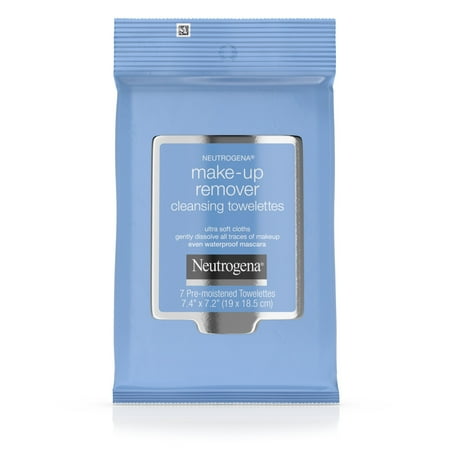

Neutrogena Makeup Remover Wipes & Face Cleansing Towelettes Travel Pack 7 Ct
Analysis updated August 2026 · How Scout scores
At a glance
Summary
This product contains several synthetic ingredients such as PEG compounds and acrylates, which are common in processed cosmetics and can be concerning for sensitive skin. While it does not contain the most harmful chemicals like SLS or parabens, the presence of phenoxyethanol and polysorbate 20 suggests moderate processing. The inclusion of dimethicone and other silicones provides a smooth application but does not contribute to a clean label.
Key ingredients 14
WaterNeutral
Water is a common solvent used in cosmetics to dissolve other ingredients. It helps in forming the base of the product. It does not provide any direct benefits or risks.
Risks
There are no significant risks associated with water in cosmetics.
Benefits
Water helps in dissolving other ingredients and provides a medium for application.
Decyl IsostearateNeutral
Decyl Isostearate is an emollient that helps to soften and smooth the skin. It is commonly used in cosmetics for its moisturizing properties. It is generally considered safe for use in cosmetics.
Risks
There are minimal risks associated with Decyl Isostearate, though it may cause irritation in sensitive individuals.
Benefits
It provides moisturizing benefits and helps to improve skin texture.
Isopropyl IsostearateNeutral
Isopropyl Isostearate is used as an emollient and thickening agent in cosmetics. It helps to improve the texture and feel of the product. It is generally considered safe for use in cosmetics.
Risks
May cause mild irritation in sensitive skin types.
Benefits
It enhances the texture of the product and provides a smooth application.
IsohexadecaneNeutral
Isohexadecane is a lightweight emollient that provides a non-greasy feel to cosmetic products. It is used to enhance the spreadability of formulations. It is considered safe for use in cosmetics.
Risks
There are minimal risks associated with Isohexadecane.
Benefits
Improves the spreadability and feel of the product on the skin.
Hexylene GlycolNeutral
Hexylene Glycol is used as a solvent and viscosity agent in cosmetics. It helps to improve the texture and stability of the product. It is generally regarded as safe for use in cosmetics.
Risks
May cause irritation in sensitive individuals.
Benefits
Enhances the texture and stability of cosmetic formulations.
PEG-6 Caprylic/Capric GlyceridesNeutral
PEG-6 Caprylic/Capric Glycerides are used as emulsifiers and surfactants in cosmetics. They help to mix oil and water components in formulations. They are generally considered safe for use in cosmetics.
Risks
Potential for irritation in sensitive skin types.
Benefits
Improves the emulsification and stability of cosmetic products.
TrisiloxaneNeutral
Trisiloxane is a silicone-based compound used for its conditioning and smoothing properties. It helps to provide a silky feel to the skin. It is considered safe for use in cosmetics.
Risks
May cause build-up on the skin with prolonged use.
Benefits
Provides a smooth, silky texture to the skin.
Sucrose CocoateNeutral
Sucrose Cocoate is an emulsifier and surfactant derived from sugar and coconut oil. It helps to stabilize formulations and improve texture. It is considered safe for use in cosmetics.
Risks
There are minimal risks associated with Sucrose Cocoate.
Benefits
Improves the texture and stability of cosmetic formulations.
ChlorphenesinNeutral
Chlorphenesin is a preservative used to prevent microbial growth in cosmetics. It helps to extend the shelf life of products. It is generally considered safe in low concentrations.
Risks
Potential for irritation and allergic reactions in sensitive individuals.
Benefits
Helps to preserve the product and prevent microbial contamination.
Polysorbate 20Neutral
Polysorbate 20 is an emulsifier used to stabilize formulations and improve texture. It helps to mix oil and water components in cosmetics. It is generally considered safe for use in cosmetics.
Risks
May cause irritation in sensitive skin types.
Benefits
Improves the emulsification and stability of cosmetic products.
Sodium HydroxideNeutral
Sodium Hydroxide is used to adjust the pH of cosmetic formulations. It helps to maintain the stability and efficacy of the product. It is generally considered safe in low concentrations.
Risks
Can be irritating in high concentrations.
Benefits
Helps to maintain the pH balance of cosmetic products.
DimethiconeBad
Occlusive silicone film-former — flagged under clean-beauty doctrine.
Risks
May cause build-up on the skin with prolonged use.
Benefits
Provides a silky texture and helps to lock in moisture.
PhenoxyethanolBad
Processed additive flagged under Scout's ingredient doctrine.
Risks
Potential for irritation and allergic reactions in sensitive individuals.
Benefits
Helps to preserve the product and prevent microbial contamination.
Acrylates/C10-30 Alkyl Acrylate CrosspolymerBad
Processed additive flagged under Scout's ingredient doctrine.
Risks
There are minimal risks associated with this ingredient.
Benefits
Enhances the texture and stability of cosmetic formulations.
Get the full breakdown in the Scout appTake Scout shopping
Scan any product to see lab results, healthy alternatives, and your personalized analysis.
Download on theApp Store GET IT ONGoogle PlayAmazon pricing & content
Amazon price as of . Product prices and availability are accurate as of the date/time indicated and are subject to change. Any price and availability information displayed on Amazon.com at the time of purchase will apply to the purchase of this product.
CERTAIN CONTENT THAT APPEARS ON THIS SITE COMES FROM AMAZON. THIS CONTENT IS PROVIDED “AS IS” AND IS SUBJECT TO CHANGE OR REMOVAL AT ANY TIME.