
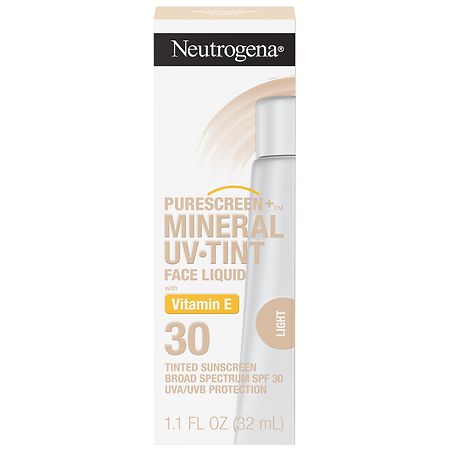
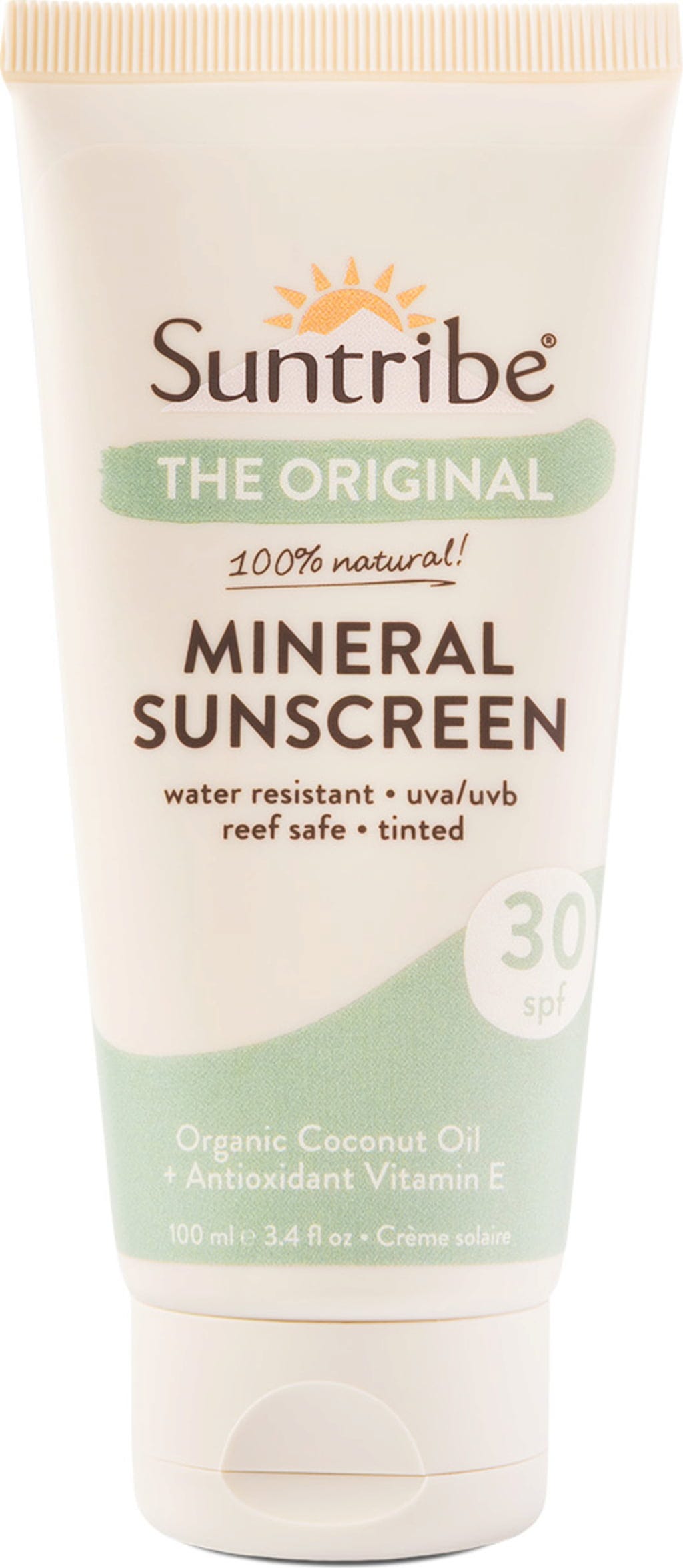
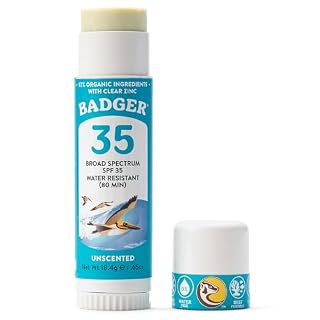
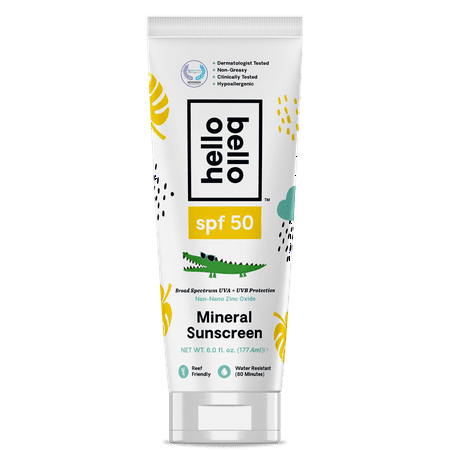
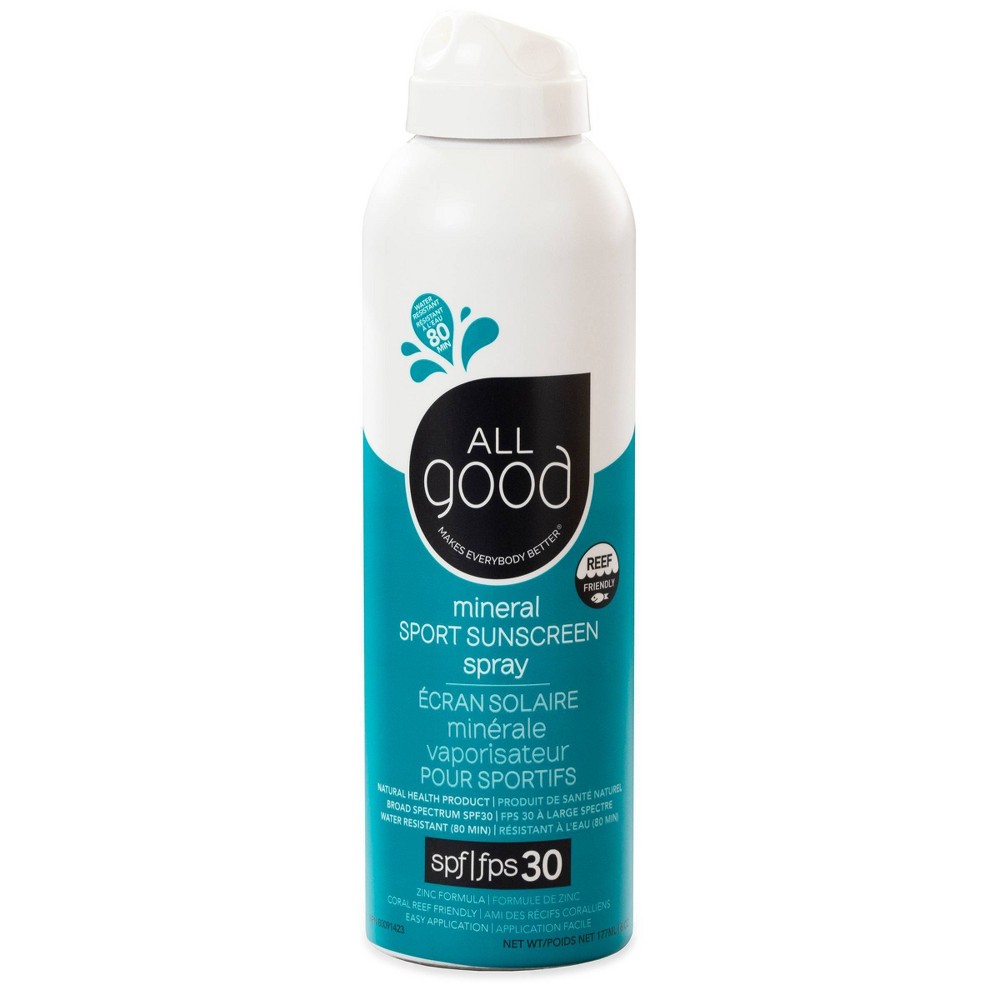


Neutrogena Mineral UV Tint Face Liquid Light Sunscreen - SPF 30 - 1.1oz: Paraben-Free, Oxybenzone-Free, Contains Vitamin E
At a glance
Summary
This sunscreen features mineral UV filters and is free from parabens and oxybenzone, which are often associated with health concerns. It includes beneficial ingredients like Vitamin E, known for its antioxidant properties, and lacks harsh chemical UV filters. The presence of phenoxyethanol as a preservative is a minor concern, but overall, the product maintains a clean label with a moderate level of processing.
Key ingredients 21
Tocopheryl AcetateGood
Tocopheryl acetate is a form of Vitamin E, an antioxidant that helps to protect the skin from free radical damage. It is commonly used in cosmetics for its skin-conditioning properties. It is generally well-tolerated by the skin.
Risks
There are minimal risks, though it may cause irritation in very sensitive skin.
Benefits
It provides antioxidant protection and helps to condition the skin.
Iron OxidesGood
Beneficial ingredient — whole-food or functional value in this product class.
Risks
There are minimal risks, though they may cause mild irritation in sensitive individuals.
Benefits
They provide natural-looking color to the skin.
WaterNeutral
Water is a common solvent used in many cosmetic formulations. It helps to dissolve other ingredients and provides a base for the product. It does not have any direct benefits or risks in this context.
Risks
There are no significant risks associated with water in cosmetic formulations.
Benefits
Water helps in dissolving other ingredients and provides a smooth application.
IsohexadecaneNeutral
Isohexadecane is a lightweight emollient that provides a silky feel to the skin. It is often used in cosmetics for its non-greasy texture. It is generally considered safe for use in cosmetics.
Risks
There are minimal risks associated with isohexadecane, though it may cause irritation in very sensitive skin.
Benefits
It provides a lightweight, non-greasy feel to the skin, enhancing the product's texture.
Dicaprylyl CarbonateNeutral
Dicaprylyl carbonate is an emollient that enhances the spreadability of products. It is used to improve the texture and feel of cosmetic formulations. It is generally well-tolerated by the skin.
Risks
There are minimal risks, though it may cause mild irritation in sensitive individuals.
Benefits
It improves the spreadability and feel of the product on the skin.
Isopropyl PalmitateNeutral
Isopropyl palmitate is an emollient that helps to soften and smooth the skin. It is derived from palm oil and is commonly used in cosmetics for its moisturizing properties. It is generally considered safe for use.
Risks
It may clog pores and cause acne in some individuals.
Benefits
It helps to soften and smooth the skin, improving the product's texture.
Isononyl IsononanoateNeutral
Isononyl isononanoate is an emollient that provides a silky feel to the skin. It is used in cosmetics to enhance the texture and spreadability of products. It is generally considered safe for use.
Risks
There are minimal risks, though it may cause mild irritation in sensitive individuals.
Benefits
It provides a silky feel and enhances the spreadability of the product.
Cetyl PEG/PPG-10/1 DimethiconeNeutral
Cetyl PEG/PPG-10/1 dimethicone is a silicone-based surfactant used to improve the texture and spreadability of products. It helps to create a smooth application. It is generally considered safe for use in cosmetics.
Risks
There are minimal risks, though it may cause irritation in very sensitive skin.
Benefits
It improves the texture and spreadability of the product.
C12-15 Alkyl BenzoateNeutral
C12-15 alkyl benzoate is an emollient that provides a silky feel and enhances the spreadability of products. It is commonly used in sunscreens for its ability to dissolve UV filters. It is generally considered safe for use.
Risks
There are minimal risks, though it may cause mild irritation in sensitive individuals.
Benefits
It provides a silky feel and enhances the spreadability of the product.
Sodium ChlorideNeutral
Sodium chloride, or table salt, is used as a thickening agent in cosmetics. It helps to improve the texture and stability of formulations. It is generally considered safe for use.
Risks
There are minimal risks, though it may cause irritation in very sensitive skin.
Benefits
It helps to improve the texture and stability of the product.
Polyhydroxystearic AcidNeutral
Polyhydroxystearic acid is used as a thickening agent and emulsifier in cosmetics. It helps to stabilize formulations and improve texture. It is generally considered safe for use.
Risks
There are minimal risks, though it may cause mild irritation in sensitive individuals.
Benefits
It helps to stabilize formulations and improve texture.
TriethoxycaprylylsilaneNeutral
Triethoxycaprylylsilane is a silicone-based compound used as a binding agent in cosmetics. It helps to improve the adhesion of pigments and other ingredients. It is generally considered safe for use.
Risks
There are minimal risks, though it may cause mild irritation in sensitive individuals.
Benefits
It improves the adhesion of pigments and other ingredients in the product.
Sorbitan SesquioleateNeutral
Sorbitan sesquioleate is an emulsifier used to stabilize formulations and improve texture. It helps to blend oil and water-based ingredients. It is generally considered safe for use.
Risks
There are minimal risks, though it may cause mild irritation in sensitive individuals.
Benefits
It helps to stabilize formulations and improve texture.
EthylhexylglycerinNeutral
Ethylhexylglycerin is a preservative and skin-conditioning agent used in cosmetics. It enhances the efficacy of other preservatives and provides a smooth feel to the skin. It is generally considered safe for use.
Risks
There are minimal risks, though it may cause mild irritation in sensitive individuals.
Benefits
It enhances the efficacy of preservatives and provides a smooth feel to the skin.
DimethiconolNeutral
Dimethiconol is a silicone-based polymer used as a conditioning agent in cosmetics. It provides a smooth, silky feel to the skin and hair. It is generally considered safe for use.
Risks
It may cause breakouts in acne-prone skin due to its occlusive nature.
Benefits
It provides a smooth, silky feel to the skin and hair.
Aluminum HydroxideNeutral
Aluminum hydroxide is used as a thickening agent and opacifier in cosmetics. It helps to improve the texture and appearance of formulations. It is generally considered safe for use.
Risks
There are minimal risks, though it may cause mild irritation in sensitive individuals.
Benefits
It helps to improve the texture and appearance of the product.
Dimethicone CrosspolymerNeutral
Dimethicone crosspolymer is a silicone-based compound used as a thickening agent in cosmetics. It provides a smooth, silky feel and enhances the texture of products. It is generally considered safe for use.
Risks
It may cause breakouts in acne-prone skin due to its occlusive nature.
Benefits
It provides a smooth, silky feel and enhances the texture of the product.
Stearic AcidNeutral
Stearic acid is a fatty acid used as an emulsifier and thickening agent in cosmetics. It helps to stabilize formulations and improve texture. It is generally considered safe for use.
Risks
There are minimal risks, though it may cause mild irritation in sensitive individuals.
Benefits
It helps to stabilize formulations and improve texture.
Xanthan GumNeutral
Xanthan gum is a natural thickening agent used to stabilize and improve the texture of cosmetic formulations. It is derived from fermented sugars and is generally considered safe for use. It helps to create a smooth, even application.
Risks
There are minimal risks, though it may cause mild irritation in sensitive individuals.
Benefits
It helps to stabilize formulations and improve texture.
DimethiconeBad
Occlusive silicone film-former — flagged under clean-beauty doctrine.
Risks
It may cause breakouts in acne-prone skin due to its occlusive nature.
Benefits
It provides a smooth application and helps in retaining skin moisture.
PhenoxyethanolBad
Phenoxyethanol is a preservative used to prevent microbial growth in cosmetics. It is effective in low concentrations but can cause irritation in some individuals. It is generally considered safe in concentrations up to 1%.
Risks
It may cause irritation and allergic reactions in sensitive individuals.
Benefits
It helps to preserve the product by preventing microbial growth.
Get the full breakdown in the Scout appTake Scout shopping
Scan any product to see lab results, healthy alternatives, and your personalized analysis.
Download on theApp Store GET IT ONGoogle PlayAmazon pricing & content
Amazon price as of . Product prices and availability are accurate as of the date/time indicated and are subject to change. Any price and availability information displayed on Amazon.com at the time of purchase will apply to the purchase of this product.
CERTAIN CONTENT THAT APPEARS ON THIS SITE COMES FROM AMAZON. THIS CONTENT IS PROVIDED “AS IS” AND IS SUBJECT TO CHANGE OR REMOVAL AT ANY TIME.