




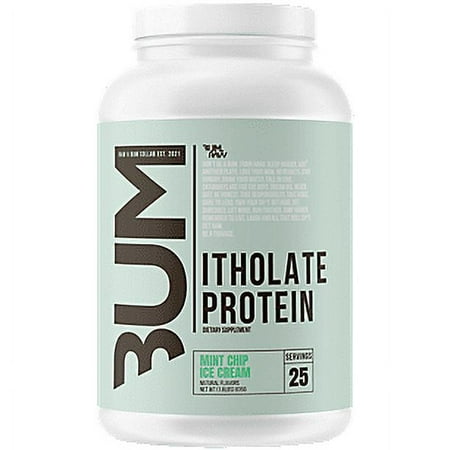
At a glance
Summary
This ice cream product contains several beneficial ingredients such as whey protein concentrate, chicory root fiber, and roasted peanuts, which contribute to its nutritional profile. However, it is a processed food with a moderate level of processing, which limits its score. The use of allulose as a sweetener is a positive aspect, as it is a low-calorie sugar alternative, but the presence of vegetable glycerin and the overall processing level prevent it from achieving a higher rating.
Key ingredients 11
Egg YolkVery Good
Egg yolk is a nutrient-dense ingredient rich in vitamins, minerals, and healthy fats. It is minimally processed and provides essential nutrients like choline and vitamin D. Egg yolks are beneficial for brain health and support overall nutrition.
Risks
Contains cholesterol, which may be a concern for individuals with specific dietary restrictions.
Benefits
Provides essential nutrients such as choline and vitamin D, supporting brain health and overall nutrition. Rich in healthy fats and antioxidants.
Whey Protein ConcentrateGood
Whey protein concentrate is a high-quality protein source derived from milk. It contains all essential amino acids and is beneficial for muscle repair and growth. It is less processed than whey protein isolate, retaining more beneficial compounds.
Risks
May cause digestive issues in lactose-intolerant individuals.
Benefits
Excellent source of complete protein, supporting muscle growth and recovery. Contains bioactive compounds that may have additional health benefits.
Chicory Root FiberGood
Chicory root fiber is a natural source of inulin, a prebiotic fiber that supports digestive health. It is minimally processed and can help improve gut flora balance. It also adds dietary fiber to the diet, which is beneficial for digestion.
Risks
May cause bloating or gas in sensitive individuals.
Benefits
Supports digestive health by promoting beneficial gut bacteria. Adds dietary fiber, which aids in digestion and may help regulate blood sugar levels.
Roasted PeanutsGood
Roasted peanuts are a good source of healthy fats, protein, and various vitamins and minerals. They are minimally processed and provide a rich flavor and texture. Peanuts contain monounsaturated fats that are beneficial for heart health.
Risks
Potential allergen for some individuals.
Benefits
Rich in healthy fats and protein, supporting heart health and providing essential nutrients. Contains antioxidants and beneficial compounds that may reduce inflammation.
Dark ChocolateGood
Dark chocolate is rich in antioxidants and contains beneficial compounds like flavonoids. It is less processed than milk chocolate and provides a more intense cocoa flavor. Dark chocolate may support heart health and improve mood.
Risks
High in calories and should be consumed in moderation.
Benefits
Rich in antioxidants and flavonoids, which may support heart health and reduce inflammation. Provides a rich source of minerals such as iron and magnesium.
Vanilla ExtractGood
Vanilla extract is a natural flavoring derived from vanilla beans. It is minimally processed and adds a rich, aromatic flavor to foods. Vanilla extract contains antioxidants and may have mood-enhancing properties.
Benefits
Adds natural flavor and aroma to foods. Contains antioxidants that may provide health benefits.
CreamGood
Cream is a dairy product rich in fats and provides a smooth texture and rich flavor. It is minimally processed and contains fat-soluble vitamins like A and D. Cream is a source of healthy fats that can support nutrient absorption.
Risks
High in saturated fats, which should be consumed in moderation.
Benefits
Provides a rich source of fat-soluble vitamins and healthy fats. Enhances flavor and texture in foods.
Skim MilkNeutral
Standard formulation ingredient — neither beneficial nor harmful at typical use.
Benefits
Provides essential nutrients such as calcium and vitamin D, which are important for bone health. Low in fat while still offering a good source of protein.
AlluloseNeutral
Allulose is a low-calorie sweetener that mimics the taste of sugar without the calories. It is not metabolized by the body, thus having minimal impact on blood sugar levels. It is considered safe for consumption but lacks significant nutritional benefits.
Risks
Excessive consumption may cause gastrointestinal discomfort.
Benefits
Provides sweetness with minimal calories and does not significantly affect blood sugar levels.
Vegetable GlycerinNeutral
Vegetable glycerin is a sugar alcohol used as a sweetener and humectant. It is generally recognized as safe and has a low glycemic index. It is used to retain moisture in foods but does not provide significant nutritional benefits.
Risks
Excessive consumption may lead to digestive discomfort.
Benefits
Helps retain moisture in foods and has a low glycemic index, making it suitable for low-sugar diets.
SaltNeutral
Salt is a common seasoning used to enhance flavor in foods. It is minimally processed but does not provide significant nutritional benefits beyond sodium. Salt is essential for maintaining fluid balance and nerve function.
Risks
Excessive consumption may lead to high blood pressure and other health issues.
Benefits
Essential for maintaining fluid balance and nerve function. Enhances flavor in foods.
Processing
Processed Foods
Get the full breakdown in the Scout appTake Scout shopping
Scan any product to see lab results, healthy alternatives, and your personalized analysis.
Download on theApp Store GET IT ONGoogle Play