
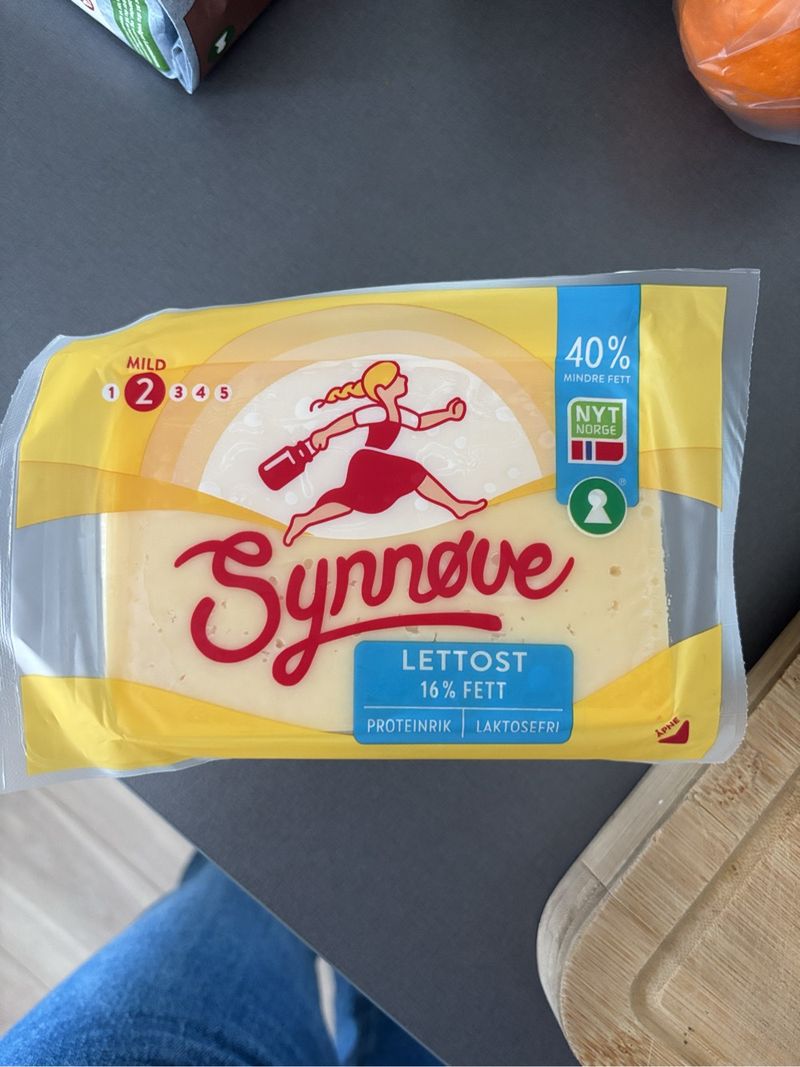
Lettost
At a glance
Summary
This cheese product contains pasteurized milk, salt, and vegetarian rennet, which are typical for cheese, but also includes sodium nitrate as a preservative. Sodium nitrate can form nitrosamines, which are potential carcinogens, raising health concerns. While the product is processed, it maintains a relatively clean ingredient list aside from the preservative, allowing it to score moderately well within its category.
Key ingredients 6
Pasteurized MilkNeutral
Pasteurized milk is a common base for cheese, providing essential nutrients like calcium and protein. The pasteurization process kills harmful bacteria but may also reduce some beneficial enzymes. It is a standard ingredient in cheese production, offering a neutral impact on health.
Benefits
Provides essential nutrients such as calcium and protein, which are important for bone health and muscle function.
SaltNeutral
Salt is used in cheese for flavor and as a preservative. It is a refined ingredient without the trace minerals found in unrefined salts. While necessary in cheese production, it should be consumed in moderation due to sodium content.
Risks
Excessive sodium intake can lead to high blood pressure and other cardiovascular issues.
Benefits
Enhances flavor and acts as a preservative in cheese, contributing to its shelf life.
Vegetarian RennetNeutral
Vegetarian rennet is used to coagulate milk in cheese making, providing an alternative to animal-derived rennet. It is typically derived from microbial or plant sources. This ingredient is essential for cheese production but does not significantly impact nutritional value.
Benefits
Allows for the production of cheese suitable for vegetarians, maintaining the traditional texture and flavor of cheese.
Lactic Acid CultureNeutral
Lactic acid culture is used in cheese making to ferment lactose into lactic acid, aiding in flavor development and preservation. It is a natural component of cheese production. This ingredient is essential for developing the characteristic taste and texture of cheese.
Benefits
Contributes to the fermentation process, enhancing flavor and texture while aiding in preservation.
Acid Regulator (E509)Neutral
E509, or calcium chloride, is used as an acid regulator to improve the texture of cheese. It is a common additive in cheese making to ensure proper curd formation. This ingredient is generally recognized as safe and does not significantly impact health.
Benefits
Improves curd formation and texture in cheese, ensuring a consistent product.
Preservative (E251)Bad
E251, also known as sodium nitrate, is used as a preservative to prevent bacterial growth. It is a synthetic additive that can form nitrosamines, which are potential carcinogens. While it extends shelf life, its health implications are concerning.
Risks
Potential formation of nitrosamines, which are linked to cancer risk, especially when consumed in large amounts.
Benefits
Helps prevent bacterial growth and spoilage, extending the product's shelf life.
Processing
Processed Foods
Get the full breakdown in the Scout appTake Scout shopping
Scan any product to see lab results, healthy alternatives, and your personalized analysis.
Are you Synnøve? Fix an error Get the badge Get tested


