Ingredient
Pasteurized milk
What is Pasteurized milk?
Pasteurized milk is regular milk that has been heat-treated to kill harmful bacteria. The pasteurization process involves heating milk to at least 161°F (72°C) for 15 seconds or 145°F (63°C) for 30 minutes.
Pasteurization extends shelf life and is used to ensure safety by reducing the risk of foodborne illnesses. Studies generally support its safety and efficacy, although pasteurization can slightly reduce some nutrients and enzymes. However, it doesn't significantly alter the nutritional profile compared to raw milk.
When buying pasteurized milk, you can expect it to be safe for consumption and a reliable source of nutrients like calcium and vitamin D, widely used in butter, cheese, and other dairy products.
Commonly found in: Butter, Cheese, Yogurt, Cream, Ice Cream
Benefits
- Provides essential nutrients like calcium and vitamin D.
- Reduces the risk of foodborne illnesses.
Pasteurized milk is deemed safe and is a staple in the US diet, with no restrictions.
Research supports pasteurization for reducing pathogen risk while maintaining nutrition.
Pasteurized milk is animal-derived and not suitable for a vegan diet.
Sources: Milk Pasteurization and Safety
Scout's take
Pasteurized milk is a common base for cheese products, providing essential nutrients like calcium and protein. The pasteurization process involves heating the milk to kill harmful bacteria, which can slightly reduce some beneficial enzymes. It is a standard ingredient in cheese making, offering a balanced nutritional profile.
The case against
Some individuals may be lactose intolerant or allergic to milk proteins, which can cause digestive discomfort.
from the analysis of Galbani STRING CHEESE · echoed in 1 other analysisSome individuals may be lactose intolerant and experience digestive discomfort from consuming milk.
from the analysis of Great Value, MONTEREY JACK CHEESEThe case for
Provides calcium and protein, essential for bone health and muscle maintenance.
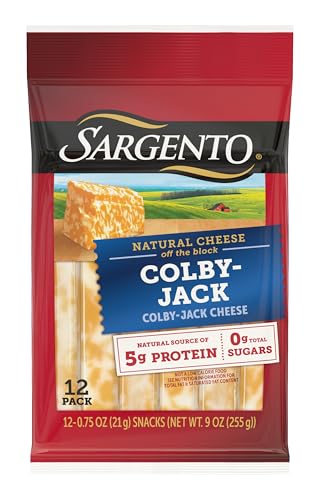
from the analysis of Colby-Jack Cheese · echoed in 3 other analysesRich in calcium and vitamin D, supporting bone health. Provides high-quality protein necessary for muscle repair and growth.
from the analysis of Bettergoodd Cream CheeseProvides a good source of calcium and protein, essential for bone health and muscle maintenance.
from the analysis of Galbani STRING CHEESEMore from Scout's analyses
Pasteurized milk is a primary ingredient in cheese, providing essential nutrients like calcium and protein. The pasteurization process ensures safety by eliminating harmful bacteria. It is a high-quality source of animal-based protein, which is beneficial for muscle maintenance.
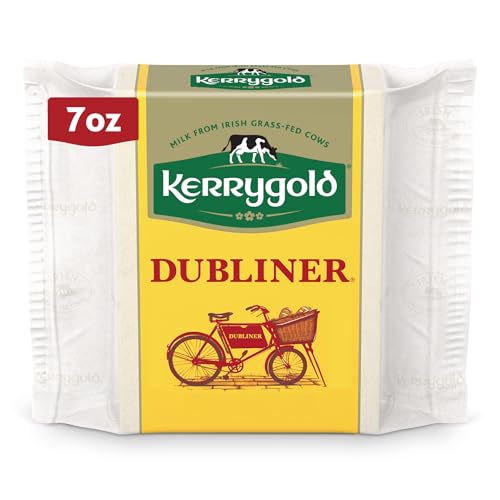
from the analysis of Kerrygold Dubliner CheesePasteurized milk is a high-quality source of essential nutrients like calcium and vitamin D. The grass-fed and organic nature of the milk indicates higher levels of omega-3 fatty acids and CLA, which are beneficial for heart health. Pasteurization ensures safety by eliminating harmful bacteria while preserving nutritional value.
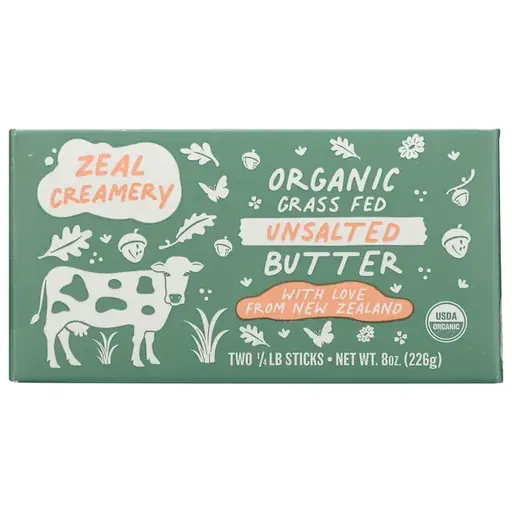
from the analysis of Zeal Creamery Organic Grass-Fed Unsalted ButterPasteurized milk is a primary source of calcium and vitamin D, essential for bone health. The pasteurization process eliminates harmful bacteria, making it safe for consumption. It provides a complete protein profile, beneficial for muscle maintenance.
from the analysis of Bettergoodd Cream CheeseFound in 10 products



Scan any product to see every ingredient explained — and healthier swaps.
Download on theApp Store GET IT ONGoogle Play