Pasteurized Soft Blend SULA Spread
Swap it for
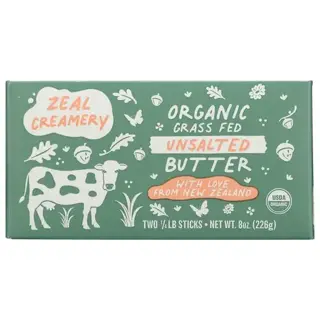
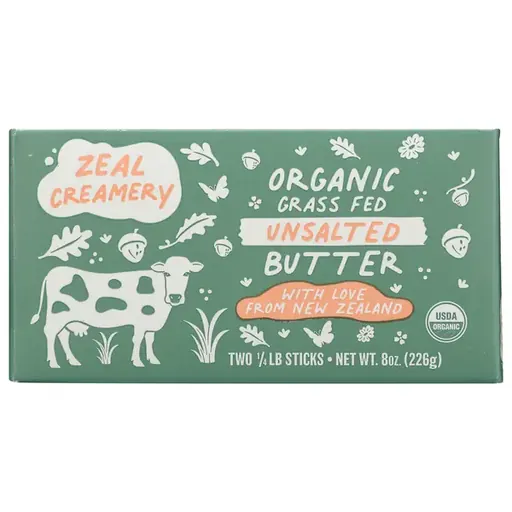 Zeal Creamery Organic Grass-Fed Unsalted Butter Zeal Creamery · 8 oz View on Amazon See all Butter, ranked
At a glance
Summary
This product is heavily processed, containing multiple synthetic additives such as sodium benzoate and potassium sorbate, which are used as preservatives. The presence of palm shortening, a processed fat, contributes to high saturated fat intake and raises environmental concerns. Despite containing pasteurized milk, which offers some nutritional benefits, the overall ingredient list and processing level significantly impact its healthiness.
Key ingredients 19
Vegetable palm shorteningBad
Palm shortening is a processed fat that can contribute to increased saturated fat intake. It is often used as a cheaper alternative to butter or other fats. The environmental impact of palm oil production is also a concern.
Risks
High saturated fat content may contribute to cardiovascular issues if consumed in excess.
Benefits
Provides a stable fat source for cooking and baking due to its high melting point.
Disodium phosphateBad
Disodium phosphate is used as an emulsifier and stabilizer in processed foods. It is a synthetic additive that can contribute to phosphate overload. Excessive phosphate intake is linked to kidney and cardiovascular issues.
Risks
May contribute to phosphate overload, affecting kidney function and bone health.
Benefits
Helps maintain product texture and stability in processed foods.
Sodium benzoateBad
Sodium benzoate is a preservative used to prevent microbial growth. It is generally recognized as safe but can form benzene, a carcinogen, under certain conditions. Its use is controversial due to potential health concerns.
Risks
Potential to form benzene, a carcinogen, when combined with ascorbic acid (vitamin C).
Benefits
Effective in preventing spoilage and extending shelf life of products.
Potassium sorbateBad
Potassium sorbate is a preservative used to inhibit mold and yeast growth. It is considered safe in small amounts but can cause allergic reactions in sensitive individuals. Its synthetic nature raises concerns for some consumers.
Risks
May cause allergic reactions or skin irritation in sensitive individuals.
Benefits
Extends shelf life by preventing mold and yeast growth in food products.
CarrageenanBad
Carrageenan is a thickening agent derived from red seaweed. It is controversial due to potential inflammatory effects in the digestive tract. Some studies suggest it may cause gastrointestinal issues.
Risks
May cause gastrointestinal inflammation and discomfort in sensitive individuals.
Benefits
Used to improve texture and stability in food products.
PolysorbateBad
Polysorbate is a synthetic emulsifier used to improve texture and stability in foods. It is linked to potential gut inflammation and other health concerns. Its synthetic nature raises concerns for some consumers.
Risks
May contribute to gut inflammation and other health concerns.
Benefits
Improves texture and stability in processed foods.
MaltodextrinBad
Maltodextrin is a highly processed carbohydrate used as a thickener and filler. It has a high glycemic index and can spike blood sugar levels. It is often used in processed foods to improve texture.
Risks
May spike blood sugar levels due to its high glycemic index.
Benefits
Improves texture and acts as a filler in processed foods.
SaltNeutral
Salt is used to enhance flavor and preserve food. It is a common culinary ingredient but does not provide additional health benefits. Excessive consumption can lead to health issues like hypertension.
Risks
High sodium intake can lead to increased blood pressure and cardiovascular risks.
Benefits
Essential for maintaining fluid balance and nerve function in the body.
Lactic culturesNeutral
Lactic cultures are used to ferment dairy products, enhancing flavor and texture. They can contribute to gut health by promoting beneficial bacteria. However, their presence in small amounts may not provide significant probiotic benefits.
Benefits
May support gut health by promoting beneficial bacteria in the digestive system.
AnnattoNeutral
Annatto is a natural coloring agent derived from the seeds of the achiote tree. It is used to impart a yellow or orange color to foods. It is generally considered safe with minimal health impact.
Risks
May cause allergic reactions in sensitive individuals.
Benefits
Provides natural color to foods without synthetic additives.
Skim milkNeutral
Skim milk is a low-fat dairy option that provides protein and calcium. It lacks the fat-soluble vitamins found in whole milk. It is suitable for those seeking to reduce fat intake.
Benefits
Provides protein and calcium with reduced fat content.
WheyNeutral
Whey is a byproduct of cheese production and a source of high-quality protein. It contains essential amino acids beneficial for muscle repair. It is often used in protein supplements.
Risks
May cause digestive issues in lactose-intolerant individuals.
Benefits
Rich in essential amino acids, supporting muscle repair and growth.
GalactomannansNeutral
Galactomannans are polysaccharides used as thickening agents in food products. They are derived from plant sources like guar gum. They are generally considered safe with minimal health impact.
Benefits
Used to improve texture and stability in food products.
Cellulose gumNeutral
Cellulose gum is a thickening agent derived from plant fibers. It is used to stabilize and thicken processed foods. It is generally recognized as safe but offers no nutritional benefits.
Benefits
Improves texture and stability in processed foods.
Sodium citrateNeutral
Sodium citrate is used as an emulsifier and acidity regulator in foods. It helps maintain product consistency and flavor. It is generally recognized as safe with minimal health impact.
Benefits
Helps maintain product consistency and flavor in processed foods.
Glyceryl monostearateNeutral
Glyceryl monostearate is an emulsifier used to stabilize food products. It is derived from glycerol and stearic acid. It is generally recognized as safe but offers no nutritional benefits.
Benefits
Improves texture and stability in processed foods.
GlucomannansNeutral
Glucomannans are dietary fibers derived from the konjac plant. They are used as thickening agents and may aid in digestion. They are generally considered safe with minimal health impact.
Risks
May cause digestive discomfort if consumed in large amounts.
Benefits
May aid in digestion and improve texture in food products.
Xanthan gumNeutral
Xanthan gum is a polysaccharide used as a thickening and stabilizing agent. It is produced through fermentation of sugars by Xanthomonas campestris bacteria. It is generally recognized as safe with minimal health impact.
Risks
May cause digestive discomfort in some individuals if consumed in large amounts.
Benefits
Improves texture and stability in processed foods.
Pasteurized milkGood
Pasteurized milk is a source of high-quality protein and essential nutrients like calcium and vitamin D. The pasteurization process ensures safety by eliminating harmful bacteria. It supports bone health and provides a balanced nutrient profile.
Benefits
Rich in calcium and vitamin D, supporting bone health and providing essential nutrients for overall wellness.
Processing
Ultra-Processed Foods
Get the full breakdown in the Scout appTake Scout shopping
Scan any product to see lab results, healthy alternatives, and your personalized analysis.
Are you Sula? Fix an error Get the badge Get tested
Amazon pricing & content
CERTAIN CONTENT THAT APPEARS ON THIS SITE COMES FROM AMAZON. THIS CONTENT IS PROVIDED “AS IS” AND IS SUBJECT TO CHANGE OR REMOVAL AT ANY TIME.