
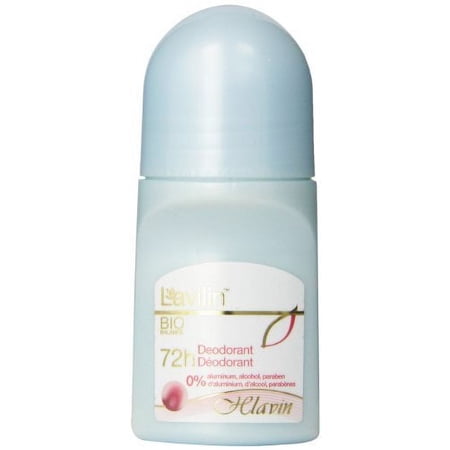

Lavilin Deodorant - Roll On - 2.1 oz
Summary
This deodorant is free from aluminum and parabens, which is a positive aspect for ingredient safety. However, it contains synthetic fragrance and phenoxyethanol, which are less desirable due to potential irritation and sensitivity concerns. The inclusion of natural ingredients like rice starch and zinc oxide is beneficial, contributing to a more balanced formulation.
At a glance
Key ingredients 19
Aqua (Water)Neutral
Water is a common solvent used in many cosmetic products. It helps dissolve other ingredients and provides a base for the formulation. It does not have any direct benefits or risks in the context of deodorants.
Benefits
Provides a medium for other ingredients to be evenly distributed.
Oryza Sativa (Rice) StarchGood
Rice starch is used for its moisture-absorbing properties, which can help keep the skin dry. It is a natural ingredient that is generally well-tolerated by the skin.
Risks
May cause mild irritation in very sensitive individuals.
Benefits
Helps absorb moisture and reduce wetness, contributing to a drier feel.
Zinc OxideGood
Zinc oxide is known for its skin-protective properties and is often used in sunscreens and skin protectants. It can also help reduce odor by inhibiting bacterial growth.
Risks
Inhalation of zinc oxide particles can be harmful, but this risk is minimal in roll-on formulations.
Benefits
Provides antimicrobial properties that help control odor.
LactoseNeutral
Lactose is a sugar derived from milk, often used as a filler or stabilizer in cosmetic products. It does not have a significant active role in deodorants.
Risks
May cause irritation in individuals with lactose intolerance if ingested, but this is not a concern in topical applications.
Benefits
Acts as a stabilizer in the formulation.
Milk ProteinNeutral
Milk protein can provide moisturizing properties and is used to improve skin feel. It is not a primary active ingredient in deodorants.
Risks
Potential allergen for individuals with milk allergies.
Benefits
May help in moisturizing and soothing the skin.
Bifida Ferment LysateGood
Bifida ferment lysate is a probiotic ingredient that can help strengthen the skin barrier and improve skin health. It is beneficial in maintaining a balanced skin microbiome.
Risks
Generally considered safe with low risk of irritation.
Benefits
Supports skin health and may improve the skin's resilience.
Capryloyl GlycineNeutral
Capryloyl glycine is used for its antimicrobial properties, helping to control odor-causing bacteria. It is a synthetic ingredient that is generally well-tolerated.
Risks
Low risk of irritation or sensitization.
Benefits
Helps in controlling odor by reducing bacterial growth.
EthylhexylglycerinNeutral
Ethylhexylglycerin is a conditioning agent and preservative enhancer. It helps improve the skin feel and extends the shelf life of the product.
Risks
May cause mild irritation in sensitive individuals.
Benefits
Enhances the efficacy of preservatives and improves skin feel.
Cocoyl ProlineNeutral
Cocoyl proline is a surfactant and skin conditioning agent derived from coconut oil and amino acids. It is used to improve the texture and application of the product.
Risks
Low risk of irritation.
Benefits
Improves product texture and application.
Sodium Acrylate/Acryloyldimethyl Taurate CopolymerNeutral
This copolymer is used as a thickening agent and stabilizer in cosmetic formulations. It helps maintain the consistency and stability of the product.
Risks
Generally considered safe with low risk of irritation.
Benefits
Contributes to the stability and consistency of the formulation.
IsohexadecaneNeutral
Isohexadecane is a lightweight emollient that provides a silky feel to the skin. It is used to enhance the spreadability of the product.
Risks
Low risk of irritation or sensitization.
Benefits
Improves the spreadability and feel of the product on the skin.
Polysorbate 80Neutral
Polysorbate 80 is an emulsifier that helps blend oil and water-based ingredients. It is commonly used in cosmetic formulations to ensure product stability.
Risks
May cause mild irritation in sensitive individuals.
Benefits
Ensures the stability and homogeneity of the product.
MaltodextrinNeutral
Maltodextrin is used as a filler and stabilizer in cosmetic products. It does not have a significant active role in deodorants.
Risks
Generally considered safe with low risk of irritation.
Benefits
Acts as a stabilizer and filler in the formulation.
Hyssopus Officinalis ExtractNeutral
Hyssopus officinalis extract is derived from the hyssop plant and is used for its potential antimicrobial properties. It is not a primary active ingredient in deodorants.
Risks
Potential allergen for individuals sensitive to plant extracts.
Benefits
May provide mild antimicrobial benefits.
Eugenia Caryophyllus Flower PowderNeutral
Eugenia caryophyllus, or clove flower powder, is used for its fragrance and potential antimicrobial properties. It is not a primary active ingredient in deodorants.
Risks
Potential allergen for individuals sensitive to clove.
Benefits
Provides fragrance and may offer mild antimicrobial benefits.
PhenoxyethanolBad
Phenoxyethanol is a synthetic preservative used to prevent microbial growth in cosmetic products. It is effective but can cause irritation in some individuals.
Risks
May cause skin irritation and allergic reactions in sensitive individuals.
Benefits
Prevents microbial growth, extending the product's shelf life.
ParfumBad
Parfum, or fragrance, is a mixture of various scent chemicals. It can contain phthalates and other compounds that may cause irritation or allergic reactions.
Risks
Potential allergen and may contain undisclosed harmful chemicals.
Benefits
Provides a pleasant scent to the product.
HydroxyethylcelluloseNeutral
Hydroxyethylcellulose is a thickening agent used to improve the texture and consistency of cosmetic products. It is generally considered safe and non-irritating.
Risks
Low risk of irritation.
Benefits
Improves the texture and consistency of the product.
AllantoinGood
Allantoin is known for its skin-soothing and healing properties. It is used to help protect and regenerate the skin, making it beneficial in deodorant formulations.
Risks
Generally considered safe with low risk of irritation.
Benefits
Soothes and protects the skin, promoting healing.
Processing
Processed Foods
Get the full breakdown in the Scout app
Scan any product to see lab results, healthy alternatives, and your personalized analysis.
Download on theApp Store