



At a glance
Summary
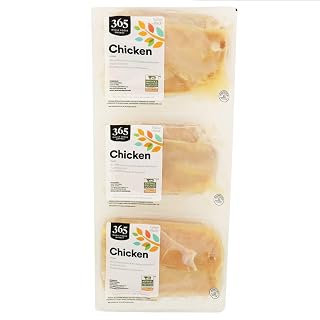
This chicken breast product is primarily composed of high-quality lean protein, which is essential for muscle growth and repair. The inclusion of Himalayan pink salt adds a mineral-rich seasoning that is less processed than regular table salt. However, the presence of added water and seasoning indicates a moderate level of processing, which slightly impacts the overall score.
Key ingredients 6
Chicken BreastGood
Chicken breast is a high-quality source of lean protein, essential for muscle growth and repair. It is minimally processed and provides a rich amino acid profile. Compared to other meats, it is lower in fat and calories, making it a healthy choice.
Benefits
Rich in protein and low in fat, supporting muscle maintenance and weight management.
Himalayan Pink SaltGood
Himalayan pink salt is a mineral-rich salt that contains trace elements. It is less processed than regular table salt and provides a unique flavor profile. Its mineral content can offer slight nutritional benefits over regular salt.
Benefits
Contains trace minerals that may offer slight nutritional benefits.
WaterNeutral
Water is used as a processing aid and does not contribute nutritional value. It is a common ingredient in many food products to maintain moisture. There are no health concerns associated with water in this context.
See more about Water →SeasoningNeutral
Seasoning is a blend of spices and herbs used to enhance flavor. The specific composition is not detailed, which makes it difficult to assess its health impact. Generally, seasonings are neutral unless they contain additives or excessive sodium.
Risks
Potential risk if high in sodium or contains artificial additives, but specifics are unknown.
Benefits
Enhances flavor without significant nutritional contribution.
SaltNeutral
Salt is used to enhance flavor and preserve food. It is a common culinary ingredient but should be consumed in moderation due to potential health risks. Excessive intake can lead to high blood pressure and other health issues.
Risks
High sodium intake may increase the risk of hypertension and cardiovascular disease.
Benefits
Enhances flavor and acts as a preservative.
Dried OnionNeutral
Dried onion is used for flavoring and is a dehydrated form of fresh onion. It retains some of the nutritional benefits of fresh onion, such as antioxidants. However, the drying process may reduce some nutrient content.
Benefits
Provides flavor and some antioxidants, though less than fresh onion.
Processing
Processed Culinary Ingredients
Get the full breakdown in the Scout appTake Scout shopping
Scan any product to see lab results, healthy alternatives, and your personalized analysis.
Download on theApp Store GET IT ONGoogle Play