

At a glance
Summary
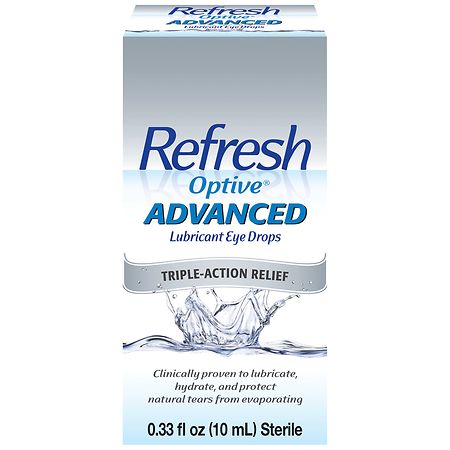
This product contains beneficial ingredients like glycerin and castor oil, which are known for their moisturizing properties. However, the presence of boric acid, which can be irritating and has safety concerns at high concentrations, affects the overall safety profile. The inclusion of polysorbate 80, a synthetic emulsifier, also contributes to a moderate processing level, impacting the score.
Key ingredients 11
Castor oilVery Good
Castor oil is a natural oil known for its moisturizing properties. It is rich in fatty acids and can help to soothe and hydrate the skin. It is well-regarded for its ability to enhance skin softness and smoothness.
Risks
There are minimal risks, though it may cause allergic reactions in rare cases.
Benefits
Castor oil deeply moisturizes the skin and can improve skin texture and elasticity.
GlycerinGood
Glycerin is a humectant that attracts moisture to the skin, making it a popular ingredient in skincare products. It is well-tolerated by most skin types and helps to maintain skin hydration. It is derived from natural sources and is considered safe and effective.
Risks
There are minimal risks associated with glycerin, though it may cause irritation in very sensitive individuals.
Benefits
Glycerin helps to keep the skin hydrated and can improve the skin's barrier function.
Carboxymethylcellulose sodiumNeutral
Carboxymethylcellulose sodium is a cellulose derivative used as a thickener and stabilizer. It is generally considered safe for use in cosmetics and personal care products. It does not have significant benefits or risks associated with its use.
Risks
There are no significant risks associated with this ingredient in cosmetic applications.
Benefits
It helps to stabilize and thicken formulations, improving texture and consistency.
Carbomer copolymer type ANeutral
Carbomer copolymer type A is a thickening agent used to create gel-like textures in products. It is synthetically produced and considered safe for use in cosmetics. It does not have direct skin benefits but improves product texture.
Risks
There are minimal risks, though it may cause mild irritation in sensitive individuals.
Benefits
It enhances the texture and stability of formulations, providing a smooth application.
ErythritolNeutral
Erythritol is a sugar alcohol used as a humectant and skin conditioning agent. It is generally considered safe and non-irritating. It does not provide significant skin benefits but helps to maintain moisture levels.
Risks
There are no significant risks associated with erythritol in topical applications.
Benefits
It helps to retain moisture in the skin, contributing to hydration.
LevocarnitineNeutral
Levocarnitine is an amino acid derivative used for its potential skin conditioning properties. It is generally safe and well-tolerated in cosmetic formulations. It does not have significant benefits or risks in topical use.
Risks
There are no significant risks associated with levocarnitine in cosmetic applications.
Benefits
It may help to condition the skin, though its effects are not well-documented.
Purified waterNeutral
Purified water is used as a solvent in cosmetic formulations. It is essential for dissolving other ingredients and ensuring product consistency. It does not provide direct skin benefits but is crucial for formulation stability.
Risks
There are no risks associated with purified water in cosmetics.
Benefits
It acts as a solvent, allowing for the even distribution of active ingredients.
Sodium hydroxideNeutral
Sodium hydroxide is used to adjust the pH of cosmetic formulations. It is effective in small amounts but can be irritating in higher concentrations. It is generally safe when used appropriately in formulations.
Risks
In high concentrations, it can cause skin irritation or burns.
Benefits
It helps to maintain the desired pH level of the product, ensuring stability and effectiveness.
Sodium chloriteNeutral
Sodium chlorite is used as a preservative and antimicrobial agent in cosmetics. It is effective in preventing microbial growth but must be used in controlled amounts. It does not provide direct skin benefits.
Risks
In high concentrations, it may cause irritation or sensitization.
Benefits
It helps to preserve the product by inhibiting microbial contamination.
Polysorbate 80Bad
Processed additive flagged under Scout's ingredient doctrine.
Risks
In rare cases, it may cause skin irritation or allergic reactions.
Benefits
It helps to stabilize formulations, ensuring even distribution of ingredients.
Boric acidBad
Boric acid is used as a preservative and pH adjuster in cosmetics. It can be irritating to the skin and eyes, and there are concerns about its safety in high concentrations. It is restricted in some regions due to potential toxicity.
Risks
Boric acid can be toxic if ingested and may cause irritation with prolonged skin contact.
Benefits
It helps to preserve the product by preventing microbial growth.
Processing
Processed Foods
Get the full breakdown in the Scout appTake Scout shopping
Scan any product to see lab results, healthy alternatives, and your personalized analysis.
Download on theApp Store GET IT ONGoogle Play