
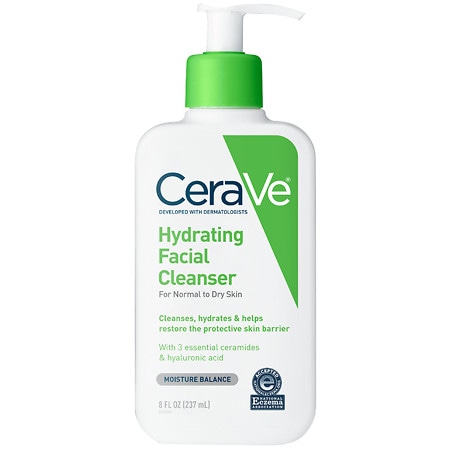
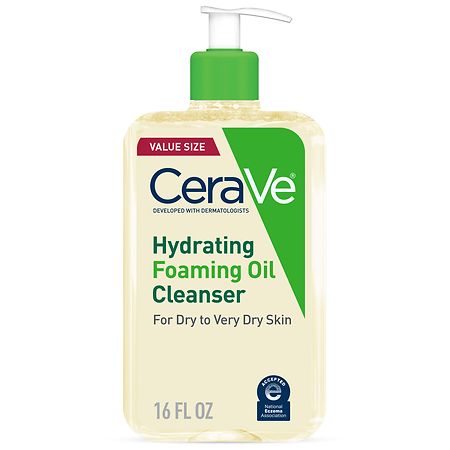

CERA VE
Summary
This product contains beneficial ingredients like glycerin, niacinamide, and hyaluronic acid, which are known for their moisturizing and skin barrier-enhancing properties. However, the presence of parabens and triethanolamine, which are associated with potential endocrine disruption and skin irritation, lowers its safety profile. The product is moderately processed, which further impacts its overall rating.
At a glance
Key ingredients 34
Purified WaterNeutral
Purified water is used as a solvent in cosmetic formulations. It helps dissolve other ingredients and provides a base for the product. It is generally considered safe and non-reactive.
Risks
There are no significant risks associated with purified water.
Benefits
It hydrates the skin and helps in the application of the product.
GlycerinVery Good
Glycerin is a humectant that attracts moisture to the skin. It helps maintain hydration and improves skin barrier function. It is widely used in skincare for its moisturizing properties.
Risks
Glycerin is generally safe, but in rare cases, it may cause irritation if used in high concentrations.
Benefits
It enhances skin hydration and smoothness.
Caprylic/Capric TriglyceridesGood
Caprylic/Capric Triglycerides are derived from coconut oil and glycerin. They are used as emollients to improve skin texture and provide a lightweight feel. They are considered safe and non-irritating.
Risks
There are minimal risks, though some individuals may experience mild irritation.
Benefits
They help to soften and smooth the skin.
NiacinamideVery Good
Niacinamide is a form of Vitamin B3 that offers multiple skin benefits. It helps improve skin tone, reduce inflammation, and enhance barrier function. It is well-tolerated by most skin types.
Risks
Niacinamide is generally safe, but high concentrations may cause mild irritation.
Benefits
It improves skin texture and reduces signs of aging.
Behentrimonium MethosulfateNeutral
Behentrimonium Methosulfate is a mild conditioning agent derived from rapeseed oil. It is used to improve the texture and manageability of hair and skin products. It is considered safe for use in cosmetics.
Risks
There are no significant risks associated with this ingredient.
Benefits
It enhances the feel and application of the product.
Cetearyl AlcoholNeutral
Cetearyl Alcohol is a fatty alcohol used as an emollient and thickener. It helps stabilize formulations and improve texture. It is generally considered safe and non-irritating.
Risks
It is generally safe, but some individuals may experience mild irritation.
Benefits
It provides a creamy texture and helps retain moisture.
Ceteareth-20Neutral
Ceteareth-20 is an emulsifier that helps blend oil and water components. It is used to stabilize formulations and improve texture. It is considered safe for use in cosmetics.
Risks
There is a potential risk of contamination with 1,4-dioxane, a byproduct of ethoxylation.
Benefits
It helps maintain product consistency and stability.
Ceramide 3Very Good
Ceramide 3 is a lipid molecule that helps restore the skin barrier. It is essential for maintaining skin hydration and protecting against environmental damage. It is well-tolerated and beneficial for dry or sensitive skin.
Risks
There are no significant risks associated with ceramides.
Benefits
It strengthens the skin barrier and improves moisture retention.
Ceramide 6-IIVery Good
Ceramide 6-II is a type of ceramide that supports skin barrier function. It helps retain moisture and improve skin elasticity. It is beneficial for maintaining healthy skin.
Risks
There are no significant risks associated with ceramides.
Benefits
It enhances skin hydration and resilience.
Ceramide 1Very Good
Ceramide 1 is a key component of the skin's lipid barrier. It helps protect against moisture loss and environmental stressors. It is effective in improving skin texture and hydration.
Risks
There are no significant risks associated with ceramides.
Benefits
It supports skin barrier integrity and hydration.
PhytosphingosineGood
Phytosphingosine is a lipid that naturally occurs in the skin. It has anti-inflammatory and antimicrobial properties, making it beneficial for acne-prone skin. It helps maintain skin health and balance.
Risks
There are minimal risks, though some individuals may experience mild irritation.
Benefits
It reduces inflammation and supports skin barrier function.
Hyaluronic AcidVery Good
Hyaluronic Acid is a powerful humectant that attracts and retains moisture in the skin. It helps improve skin hydration and plumpness. It is well-tolerated and suitable for all skin types.
Risks
There are no significant risks associated with hyaluronic acid.
Benefits
It enhances skin hydration and reduces the appearance of fine lines.
CholesterolGood
Cholesterol is a lipid that helps maintain the skin's barrier function. It works synergistically with ceramides to improve skin hydration and elasticity. It is beneficial for dry and sensitive skin.
Risks
There are no significant risks associated with cholesterol in skincare.
Benefits
It supports skin barrier health and hydration.
DimethiconeNeutral
Dimethicone is a silicone-based polymer used as an emollient and skin protectant. It provides a smooth application and helps lock in moisture. It is considered safe for use in cosmetics.
Risks
There are minimal risks, though it may cause breakouts in acne-prone skin.
Benefits
It improves product spreadability and provides a silky feel.
Polyglyceryl-3 DiisostearateNeutral
Polyglyceryl-3 Diisostearate is an emulsifier used to blend oil and water components. It helps stabilize formulations and improve texture. It is considered safe for use in cosmetics.
Risks
There are no significant risks associated with this ingredient.
Benefits
It helps maintain product consistency and stability.
Potassium PhosphateNeutral
Potassium Phosphate is used as a buffering agent to maintain pH balance in formulations. It helps stabilize the product and improve shelf life. It is considered safe for use in cosmetics.
Risks
There are no significant risks associated with this ingredient.
Benefits
It helps maintain product stability and pH balance.
Dipotassium PhosphateNeutral
Dipotassium Phosphate is used as a buffering agent to maintain pH balance in formulations. It helps stabilize the product and improve shelf life. It is considered safe for use in cosmetics.
Risks
There are no significant risks associated with this ingredient.
Benefits
It helps maintain product stability and pH balance.
Sodium Lauroyl LactylateNeutral
Sodium Lauroyl Lactylate is a mild surfactant and emulsifier. It helps improve the texture and spreadability of formulations. It is considered safe and non-irritating.
Risks
There are minimal risks, though some individuals may experience mild irritation.
Benefits
It enhances product texture and application.
Disodium EDTANeutral
Disodium EDTA is a chelating agent used to improve product stability. It binds metal ions to prevent deterioration of the formulation. It is considered safe for use in cosmetics.
Risks
There are minimal risks, though it may cause irritation in sensitive individuals.
Benefits
It enhances product stability and shelf life.
MethylparabenBad
Methylparaben is a preservative used to prevent microbial growth in cosmetics. It is effective in extending product shelf life. However, it is associated with potential endocrine disruption.
Risks
There is a concern about its potential to disrupt hormone function.
Benefits
It helps maintain product safety by preventing microbial contamination.
PropylparabenBad
Propylparaben is a preservative used to prevent microbial growth in cosmetics. It is effective in extending product shelf life. However, it is associated with potential endocrine disruption.
Risks
There is a concern about its potential to disrupt hormone function.
Benefits
It helps maintain product safety by preventing microbial contamination.
CarbomerNeutral
Carbomer is a thickening agent used to create gel-like textures in formulations. It helps stabilize emulsions and improve product consistency. It is considered safe for use in cosmetics.
Risks
There are no significant risks associated with this ingredient.
Benefits
It provides a smooth texture and enhances product stability.
Xanthan GumNeutral
Xanthan Gum is a natural thickening agent used to stabilize formulations. It helps improve texture and consistency. It is considered safe for use in cosmetics.
Risks
There are no significant risks associated with this ingredient.
Benefits
It enhances product texture and stability.
Mineral OilNeutral
Mineral Oil is a highly refined oil used as an emollient and moisturizer. It forms a barrier on the skin to prevent moisture loss. It is considered safe for use in cosmetics.
Risks
There are minimal risks, though it may cause breakouts in acne-prone skin.
Benefits
It helps retain moisture and improve skin softness.
Glyceryl Stearate SENeutral
Glyceryl Stearate SE is an emulsifier used to blend oil and water components. It helps stabilize formulations and improve texture. It is considered safe for use in cosmetics.
Risks
There are no significant risks associated with this ingredient.
Benefits
It helps maintain product consistency and stability.
Ammonium LactateNeutral
Ammonium Lactate is a compound of lactic acid and ammonium hydroxide. It is used as a moisturizer and exfoliant. It is considered safe for use in cosmetics.
Risks
There are minimal risks, though it may cause irritation in sensitive skin.
Benefits
It helps exfoliate and hydrate the skin.
Salicylic AcidGood
Salicylic Acid is a beta hydroxy acid used for its exfoliating and anti-acne properties. It helps unclog pores and reduce inflammation. It is effective in treating acne-prone skin.
Risks
It may cause dryness or irritation, especially in sensitive skin.
Benefits
It helps clear acne and improve skin texture.
TriethanolamineBad
Triethanolamine is used as a pH balancer and emulsifier in cosmetics. It helps stabilize formulations and improve texture. However, it is associated with potential skin irritation and contamination with nitrosamines.
Risks
There is a concern about its potential to cause skin irritation and contamination with harmful byproducts.
Benefits
It helps maintain product stability and pH balance.
Cetyl AlcoholNeutral
Cetyl Alcohol is a fatty alcohol used as an emollient and thickener. It helps stabilize formulations and improve texture. It is generally considered safe and non-irritating.
Risks
It is generally safe, but some individuals may experience mild irritation.
Benefits
It provides a creamy texture and helps retain moisture.
PEG-100 StearateNeutral
PEG-100 Stearate is an emulsifier used to blend oil and water components. It helps stabilize formulations and improve texture. It is considered safe for use in cosmetics.
Risks
There is a potential risk of contamination with 1,4-dioxane, a byproduct of ethoxylation.
Benefits
It helps maintain product consistency and stability.
CholecalciferolGood
Cholecalciferol, also known as Vitamin D3, is used for its skin conditioning properties. It helps improve skin health and supports barrier function. It is beneficial for maintaining healthy skin.
Risks
There are no significant risks associated with topical use of cholecalciferol.
Benefits
It supports skin health and barrier function.
Ceramide NPVery Good
Ceramide NP is a type of ceramide that helps restore the skin barrier. It is essential for maintaining skin hydration and protecting against environmental damage. It is well-tolerated and beneficial for dry or sensitive skin.
Risks
There are no significant risks associated with ceramides.
Benefits
It strengthens the skin barrier and improves moisture retention.
Ceramide APVery Good
Ceramide AP is a type of ceramide that supports skin barrier function. It helps retain moisture and improve skin elasticity. It is beneficial for maintaining healthy skin.
Risks
There are no significant risks associated with ceramides.
Benefits
It enhances skin hydration and resilience.
Ceramide EOPVery Good
Ceramide EOP is a key component of the skin's lipid barrier. It helps protect against moisture loss and environmental stressors. It is effective in improving skin texture and hydration.
Risks
There are no significant risks associated with ceramides.
Benefits
It supports skin barrier integrity and hydration.
Processing
Processed Foods
Get the full breakdown in the Scout app
Scan any product to see lab results, healthy alternatives, and your personalized analysis.
Download on theApp Store