
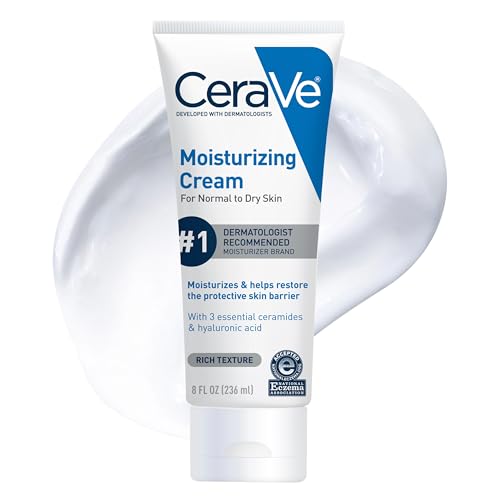

CeraVe Renewing Body Lotion 8 fl oz
Summary
This body lotion contains beneficial skin actives like hyaluronic acid and niacinamide, which are known for their hydrating and skin-repairing properties. However, the presence of synthetic ingredients and emulsifiers, typical of processed personal care products, slightly lowers its score. The product does not contain any harsh surfactants or known endocrine disruptors, which helps maintain a relatively favorable rating.
At a glance
Key ingredients 7
Glycerin
Glycerin is a humectant that attracts moisture to the skin, helping to maintain hydration. It is commonly used in skincare products for its ability to improve skin barrier function. It is generally well-tolerated and suitable for all skin types.
Risks
There are minimal risks associated with glycerin, though in rare cases it may cause irritation.
Benefits
Glycerin helps to keep the skin moisturized and can improve skin texture and smoothness.
Salicylic Acid
Salicylic acid is a beta hydroxy acid (BHA) that exfoliates the skin and helps to clear pores. It is effective in treating acne and improving skin texture. It is widely used in skincare for its ability to reduce inflammation and redness.
Risks
Overuse can lead to skin irritation and dryness, especially in sensitive skin.
Benefits
Salicylic acid helps to prevent acne breakouts and can improve overall skin clarity.
Ceramide NP
Ceramide NP is a lipid that helps to restore the skin barrier and retain moisture. It is essential for maintaining healthy skin and preventing transepidermal water loss. Ceramides are naturally found in the skin and are beneficial for all skin types.
Risks
There are no significant risks associated with ceramides.
Benefits
Ceramide NP strengthens the skin barrier and enhances hydration, improving skin resilience.
Hydrolyzed Hyaluronic Acid
Hydrolyzed hyaluronic acid is a smaller molecule form of hyaluronic acid that penetrates the skin more easily. It provides intense hydration and helps to plump the skin, reducing the appearance of fine lines. It is highly effective in maintaining skin moisture levels.
Risks
There are minimal risks, though it may cause irritation in very sensitive skin.
Benefits
Hydrolyzed hyaluronic acid enhances skin hydration and elasticity, promoting a youthful appearance.
Triethanolamine
Triethanolamine is used as a pH balancer in cosmetic formulations. It can be irritating to the skin and eyes, especially in high concentrations. It is also associated with the formation of nitrosamines, which are potential carcinogens.
Risks
Prolonged exposure can lead to skin irritation and potential allergic reactions.
Benefits
It helps to stabilize the pH of cosmetic products, ensuring their effectiveness.
Methylparaben
Methylparaben is a preservative used to prevent microbial growth in cosmetics. It is controversial due to its potential endocrine-disrupting effects. Parabens have been scrutinized for their possible link to breast cancer, though evidence is inconclusive.
Risks
May cause skin irritation and has potential endocrine-disrupting properties.
Benefits
It effectively prevents the growth of harmful bacteria and mold in products.
Propylparaben
Propylparaben is another preservative used to extend the shelf life of cosmetics. Like other parabens, it is under scrutiny for its potential to disrupt hormone function. It is less commonly used due to these concerns.
Risks
Potential endocrine disruptor and may cause skin irritation.
Benefits
It helps to maintain product integrity by preventing microbial contamination.
Processing
Processed Foods
Get the full breakdown in the Scout app
Scan any product to see lab results, healthy alternatives, and your personalized analysis.
Download on theApp Store