
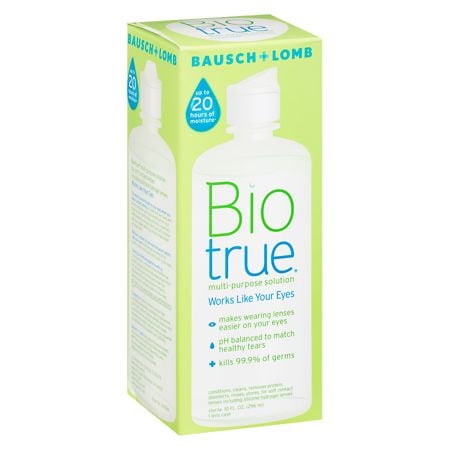

Soft Contact Lens Disinfecting Solution, 10 FL OZ, 1 Lens Case
Analysis updated August 2026 · How Scout scores
At a glance
Summary
This contact lens disinfecting solution contains hyaluronan, which is beneficial for maintaining moisture and enhancing comfort. However, the presence of boric acid and edetate disodium, while common in such solutions, are synthetic preservatives that may raise concerns for some users. The product is minimally processed, which is a positive aspect, but the inclusion of these synthetic ingredients prevents it from achieving a higher score.
Key ingredients 7
HyaluronanVery Good
Hyaluronan, also known as hyaluronic acid, is a naturally occurring substance in the body that helps retain moisture. It is highly valued in skincare for its ability to hydrate and plump the skin. In contact lens solutions, it can enhance comfort by maintaining moisture.
Risks
There are minimal risks associated with hyaluronan, though some individuals may experience irritation if sensitive.
Benefits
Hyaluronan provides excellent hydration, which can improve the comfort of contact lenses by reducing dryness.
SulfbetaineNeutral
Sulfbetaine is a zwitterionic surfactant used for its mild cleansing properties. It helps in removing debris and proteins from contact lenses. Its gentle nature makes it suitable for sensitive applications like eye care.
Risks
There are minimal risks, but as with any surfactant, it may cause irritation in sensitive individuals.
Benefits
Sulfbetaine is beneficial for its gentle cleansing action, which helps maintain lens hygiene without causing irritation.
PoloxamineNeutral
Poloxamine is a surfactant used in contact lens solutions for its ability to remove lipids and proteins. It enhances the cleaning efficacy of the solution. Its amphiphilic nature allows it to interact with both water and oils.
Risks
Potential risks include irritation if not properly rinsed from lenses.
Benefits
Poloxamine effectively cleans lenses, ensuring clear vision and comfort by removing deposits.
Boric AcidNeutral
Boric acid is used in contact lens solutions as a buffering agent to maintain pH balance. It also has mild antimicrobial properties. Its role is crucial in ensuring the solution is gentle on the eyes.
Risks
Excessive exposure can lead to irritation, but it is generally safe in regulated amounts.
Benefits
Boric acid helps maintain the pH balance of the solution, contributing to eye comfort and safety.
Sodium BorateNeutral
Sodium borate acts as a buffering agent in contact lens solutions, helping to stabilize pH levels. It works in conjunction with boric acid to ensure the solution is non-irritating. Its presence is essential for maintaining the solution's stability.
Risks
Overexposure can cause irritation, but it is safe in the concentrations used in lens solutions.
Benefits
Sodium borate helps maintain the stability and comfort of the lens solution by regulating pH.
Edetate DisodiumNeutral
Edetate disodium, also known as EDTA, is a chelating agent that binds metal ions. It is used in contact lens solutions to enhance preservative efficacy by binding metal ions that could otherwise promote microbial growth.
Risks
There is a low risk of irritation, but it is generally considered safe in the concentrations used.
Benefits
Edetate disodium helps prevent microbial contamination, enhancing the safety of the lens solution.
Sodium ChlorideNeutral
Sodium chloride is used to adjust the tonicity of contact lens solutions, making them isotonic with natural tears. This ensures that the solution is comfortable and non-irritating to the eyes.
Risks
There are minimal risks, as sodium chloride is a common and safe ingredient in eye care products.
Benefits
Sodium chloride ensures the solution is isotonic, which is crucial for comfort and compatibility with the eyes.
Processing
Processed Culinary Ingredients
Get the full breakdown in the Scout appTake Scout shopping
Scan any product to see lab results, healthy alternatives, and your personalized analysis.
Download on theApp Store GET IT ONGoogle PlayAmazon pricing & content
Amazon price as of . Product prices and availability are accurate as of the date/time indicated and are subject to change. Any price and availability information displayed on Amazon.com at the time of purchase will apply to the purchase of this product.
CERTAIN CONTENT THAT APPEARS ON THIS SITE COMES FROM AMAZON. THIS CONTENT IS PROVIDED “AS IS” AND IS SUBJECT TO CHANGE OR REMOVAL AT ANY TIME.