


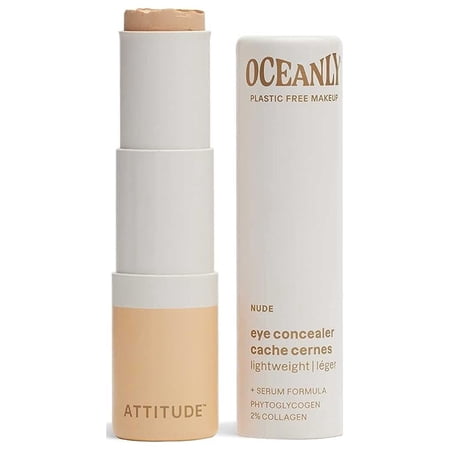
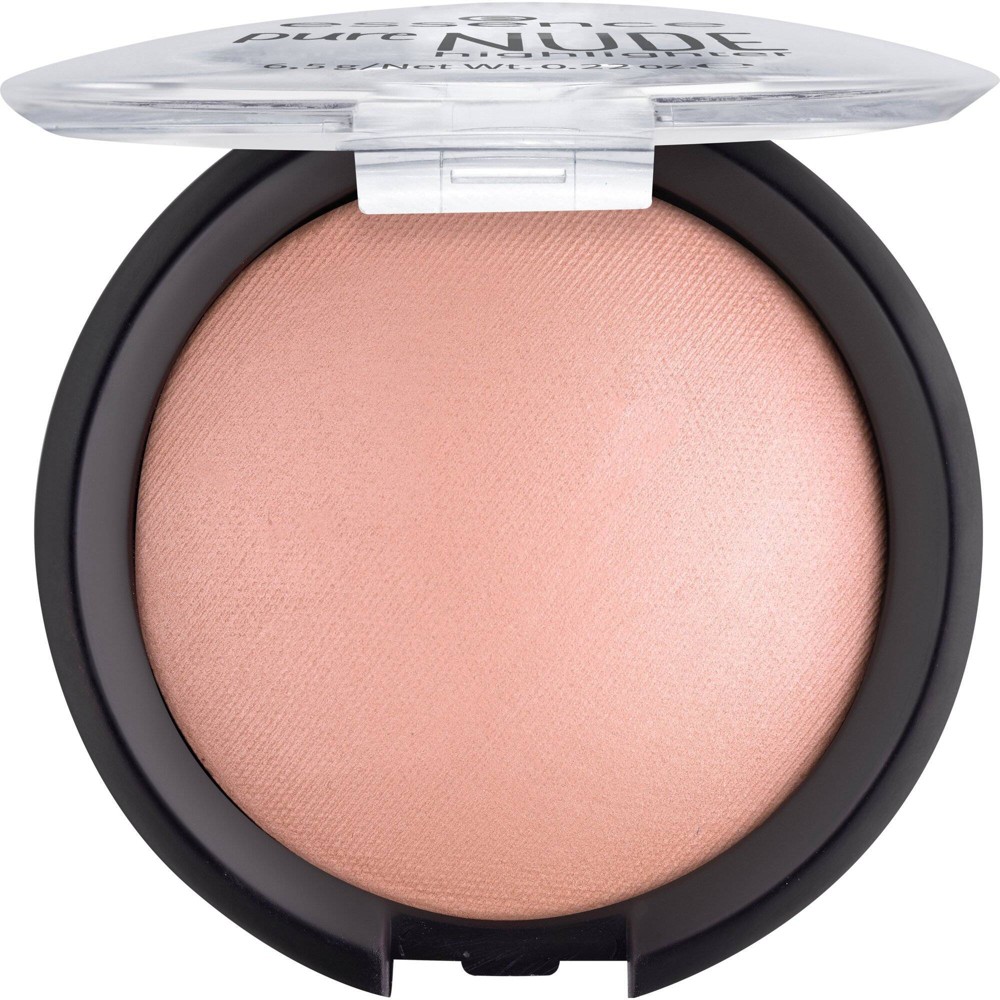
ChanelStylo Ombre Et Contour (Eyeshadow/Liner/Khol) - # 06 Nude Eclat 0.8g/0.02oz
Analysis updated September 2026 · How Scout scores
At a glance
Summary
This product contains beneficial ingredients like lecithin and tocopherol, which are known for their skin-conditioning and antioxidant properties. However, the presence of polyethylene, a microplastic, raises environmental concerns and impacts the product's overall safety profile. The formulation includes a mix of synthetic ingredients, which affects its processing level and overall score.
Key ingredients 28
TocopherolGood
Tocopherol, also known as Vitamin E, is an antioxidant that helps protect the skin from free radical damage. It is beneficial for skin health and has moisturizing properties. It is well-tolerated and widely used in skincare products.
Risks
Rarely causes allergic reactions.
Benefits
Protects the skin from oxidative stress and provides moisture.
Ascorbyl PalmitateGood
Beneficial ingredient — whole-food or functional value in this product class.
Risks
Less effective than pure Vitamin C.
Benefits
Provides antioxidant protection to the skin.
CI 77491, CI 77492, CI 77499 (Iron Oxides)Good
Beneficial ingredient — whole-food or functional value in this product class.
Risks
May cause irritation in sensitive skin types.
Benefits
Provides a range of earthy tones to cosmetic products.
MicaGood
Beneficial ingredient — whole-food or functional value in this product class.
Risks
May cause irritation in sensitive skin types.
Benefits
Provides a shimmering effect and enhances the appearance of the skin.
TrimethylsiloxysilicateNeutral
Trimethylsiloxysilicate is a film-forming agent that provides water resistance. It helps makeup adhere better to the skin. However, it can be difficult to remove and may cause buildup.
Risks
May cause skin irritation if not properly removed.
Benefits
Enhances the longevity and water resistance of makeup products.
Synthetic WaxNeutral
Synthetic wax is used to provide structure and stability to cosmetic formulations. It helps in achieving the desired texture and consistency. It is generally considered safe but lacks the natural benefits of plant-based waxes.
Risks
May not provide the same skin benefits as natural waxes.
Benefits
Contributes to the product's texture and stability.
PolymethylsilsesquioxaneNeutral
Polymethylsilsesquioxane is a silicone that provides a silky feel and enhances spreadability. It is used to improve the texture of cosmetic products. It is generally considered safe but may cause buildup on the skin.
Risks
Potential for buildup and may cause irritation in sensitive skin.
Benefits
Improves the texture and spreadability of the product.
Caprylyl MethiconeNeutral
Caprylyl Methicone is a silicone that provides a lightweight feel and enhances spreadability. It is used to improve the texture of cosmetic products. It is generally considered safe but may cause buildup on the skin.
Risks
Potential for buildup and may cause irritation in sensitive skin.
Benefits
Improves the texture and spreadability of the product.
OctyldodecanolNeutral
Octyldodecanol is a fatty alcohol used as an emollient and emulsifier. It helps to soften and smooth the skin. It is generally well-tolerated but can cause irritation in some individuals.
Risks
May cause irritation in sensitive skin types.
Benefits
Acts as an emollient, providing a smooth and soft feel to the skin.
Stearoxymethicone/Dimethicone CopolymerNeutral
This copolymer is used to improve the texture and spreadability of cosmetic products. It provides a smooth, silky feel. It is generally considered safe but may cause buildup on the skin.
Risks
Potential for buildup and may cause irritation in sensitive skin.
Benefits
Enhances the texture and spreadability of the product.
Polyhydroxystearic AcidNeutral
Polyhydroxystearic Acid is used as a thickening agent and emulsifier in cosmetics. It helps to stabilize formulations. It is generally considered safe but may cause irritation in sensitive individuals.
Risks
May cause irritation in sensitive skin types.
Benefits
Stabilizes formulations and improves texture.
Disteardimonium HectoriteNeutral
Disteardimonium Hectorite is a thickening agent used to stabilize emulsions. It helps to improve the texture and consistency of products. It is generally considered safe but may cause irritation in sensitive skin.
Risks
May cause irritation in sensitive skin types.
Benefits
Improves texture and stability of cosmetic formulations.
Dicalcium PhosphateNeutral
Dicalcium Phosphate is used as a bulking agent and abrasive in cosmetics. It helps to improve the texture and consistency of products. It is generally considered safe but may cause irritation in sensitive skin.
Risks
May cause irritation in sensitive skin types.
Benefits
Improves texture and consistency of cosmetic formulations.
Propylene CarbonateNeutral
Propylene Carbonate is used as a solvent and viscosity regulator in cosmetics. It helps to dissolve other ingredients and improve texture. It is generally considered safe but may cause irritation in sensitive skin.
Risks
May cause irritation in sensitive skin types.
Benefits
Improves texture and helps dissolve other ingredients.
Tin OxideNeutral
Tin Oxide is used as an opacifying agent and colorant in cosmetics. It helps to provide opacity and enhance color. It is generally considered safe but may cause irritation in sensitive skin.
Risks
May cause irritation in sensitive skin types.
Benefits
Enhances color and opacity in cosmetic formulations.
Citric AcidNeutral
Citric Acid is used as a pH adjuster and exfoliant in cosmetics. It helps to balance the pH of formulations and can provide mild exfoliation. It is generally considered safe but may cause irritation in sensitive skin.
Risks
May cause irritation in sensitive skin types.
Benefits
Balances pH and provides mild exfoliation.
CI 75470 (Carmine)Neutral
Carmine is a natural red pigment derived from insects, used as a colorant in cosmetics. It provides vibrant red hues. It is generally considered safe but may cause allergic reactions in some individuals.
Risks
Potential allergen for some individuals.
Benefits
Provides vibrant red color to cosmetic products.
CI 77000 (Aluminum Powder)Neutral
Aluminum Powder is used as a colorant and opacifying agent in cosmetics. It provides metallic sheen and opacity. It is generally considered safe but may cause irritation in sensitive skin.
Risks
May cause irritation in sensitive skin types.
Benefits
Provides metallic sheen and opacity to cosmetic formulations.
CI 77007 (Ultramarines)Neutral
Ultramarines are used as blue pigments in cosmetics. They provide vibrant blue hues. They are generally considered safe but may cause irritation in sensitive skin.
Risks
May cause irritation in sensitive skin types.
Benefits
Provides vibrant blue color to cosmetic products.
CI 77163 (Bismuth Oxychloride)Neutral
Bismuth Oxychloride is used as a colorant and opacifying agent in cosmetics. It provides a pearlescent finish. It is generally considered safe but may cause irritation in sensitive skin.
Risks
May cause irritation in sensitive skin types.
Benefits
Provides a pearlescent finish to cosmetic formulations.
CI 77288 (Chromium Oxide Greens)Neutral
Chromium Oxide Greens are used as green pigments in cosmetics. They provide vibrant green hues. They are generally considered safe but may cause irritation in sensitive skin.
Risks
May cause irritation in sensitive skin types.
Benefits
Provides vibrant green color to cosmetic products.
CI 77510 (Ferric Ammonium Ferrocyanide)Neutral
Ferric Ammonium Ferrocyanide is used as a blue pigment in cosmetics. It provides vibrant blue hues. It is generally considered safe but may cause irritation in sensitive skin.
Risks
May cause irritation in sensitive skin types.
Benefits
Provides vibrant blue color to cosmetic products.
CI 77510 (Ferric Ferrocyanide)Neutral
Ferric Ferrocyanide is used as a blue pigment in cosmetics. It provides vibrant blue hues. It is generally considered safe but may cause irritation in sensitive skin.
Risks
May cause irritation in sensitive skin types.
Benefits
Provides vibrant blue color to cosmetic products.
CI 77742 (Manganese Violet)Neutral
Manganese Violet is used as a violet pigment in cosmetics. It provides vibrant violet hues. It is generally considered safe but may cause irritation in sensitive skin.
Risks
May cause irritation in sensitive skin types.
Benefits
Provides vibrant violet color to cosmetic products.
CI 77891 (Titanium Dioxide)Neutral
Titanium Dioxide is used as a white pigment and opacifying agent in cosmetics. It provides opacity and UV protection. It is generally considered safe but may cause irritation in sensitive skin.
Risks
May cause irritation in sensitive skin types.
Benefits
Provides opacity and UV protection to cosmetic formulations.
DimethiconeBad
Occlusive silicone film-former — flagged under clean-beauty doctrine.
Risks
Potential to cause breakouts or irritation in sensitive skin types.
Benefits
Provides a smooth application and helps to fill in fine lines.
LecithinBad
Processed additive flagged under Scout's ingredient doctrine.
Risks
Rarely causes allergic reactions.
Benefits
Hydrates and conditions the skin, supporting barrier function.
PolyethyleneVery Bad
Polyethylene is a synthetic polymer used as a thickening agent and film former. It is considered a microplastic, which raises environmental concerns. Its use in cosmetics is controversial due to its persistence in the environment.
Risks
Environmental concerns due to its persistence as a microplastic.
Benefits
Provides texture and stability to the product.
Get the full breakdown in the Scout appTake Scout shopping
Scan any product to see lab results, healthy alternatives, and your personalized analysis.
Download on theApp Store GET IT ONGoogle Play