
Ingredient
Lecithin
What is Lecithin?
Lecithin is a natural emulsifier that's found in egg yolks, soybeans, and sunflower seeds. It is often extracted using mechanical or chemical processes to create a useful additive that helps blend ingredients that don't naturally mix well, like oil and water.
Lecithin is used in a variety of food products, from chocolates to baked goods, to improve texture and extend shelf life. While it is generally recognized as safe by food authorities, it may be derived from soy, which is an allergen for some people. Some research suggests lecithin might have potential benefits for brain and liver health, although the evidence is not conclusive.
When you see lecithin on a label, it's often for its emulsifying properties, which can improve the sensory experience of the product. Be aware of its source if you have a soy allergy or prefer non-GMO products.
Commonly found in: Chocolate, Baked Goods, Margarine, Dressings, Supplements
What to watch
- May trigger allergic reactions in individuals sensitive to soy.
- Potential source of GMOs if derived from non-organic soy.
Benefits
- Improves texture and stability of food products.
- Some studies suggest potential cognitive and liver health benefits, but evidence is mixed.
Lecithin is generally recognized as safe (GRAS) by the FDA for its use as a food additive.
Research shows lecithin might have health benefits, but more studies are needed to confirm its effects.
Lecithin can be plant-derived (from soy or sunflowers) or animal-derived (from eggs), so it's important to check labels.
Sources: FDA's SCOGS Report on Lecithin · Soy Lecithin: Potential Benefits and Risks
Scout's take
Refined emulsifier lecithin (doctrine: 'bad', distinct from seed oils).
The case against
There are minimal risks associated with Lecithin, primarily related to potential sensitivity in rare cases.
from the analysis of Cocokind Daily Sunscreen - SPF 32There are minimal risks associated with lecithin in cosmetics.
from the analysis of The Ordinary - The Natural Moisturizing Factors + HA( / )There are minimal risks associated with this ingredient.
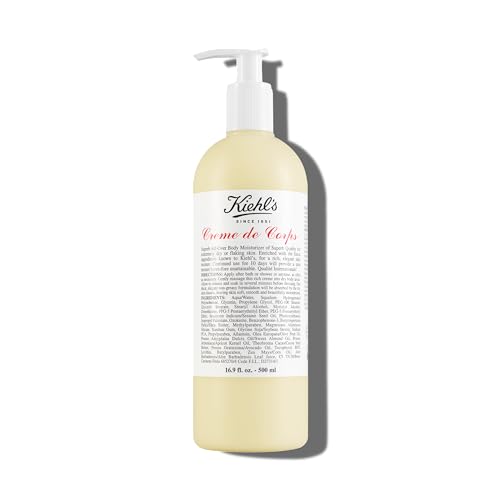
from the analysis of Kiehl's Since 1851 Creme de Corps Body Lotion with Cocoa ButterPotential allergen for those with soy allergies.
from the analysis of Nutella HAZELNUT SPREAD WITH COCOAThe case for
It helps to improve the texture of the product and enhance skin softness.
from the analysis of Kiehl's Since 1851 Creme de Corps Body Lotion with Cocoa ButterIt helps to improve the texture and stability of the product.
from the analysis of Cocokind Daily Sunscreen - SPF 32It helps to improve product texture and enhance absorption.
from the analysis of The Ordinary - The Natural Moisturizing Factors + HA( / )Helps maintain product texture and consistency.
from the analysis of Nutella HAZELNUT SPREAD WITH COCOAMore from Scout's analyses
Processed additive flagged under Scout's ingredient doctrine.
from the analysis of Cocokind Daily Sunscreen - SPF 32Sources: Sunflower and/or Soy. Emulsifier that may use soy lecithin from bioengineered soybeans. The 'and/or' labeling indicates inconsistent sourcing, and soy lecithin is a processed seed-derived additive.
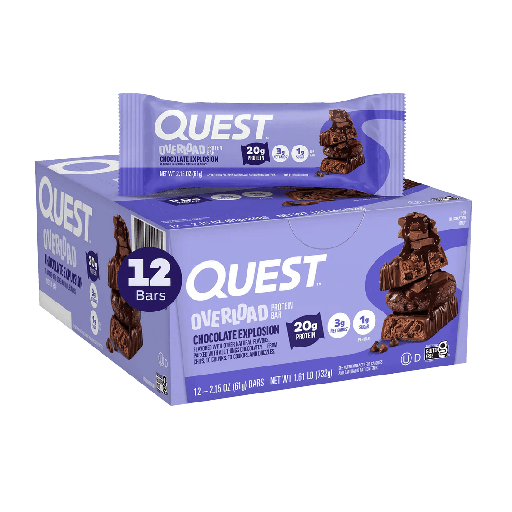
from the analysis of Quest Protein BarLecithin is used as an emulsifier and is often derived from soy. It is highly processed and may contain residues from extraction. Some individuals may have soy allergies.
from the analysis of Nutella HAZELNUT SPREAD WITH COCOAFound in 15 products





Scan any product to see every ingredient explained — and healthier swaps.
Download on theApp Store GET IT ONGoogle Play