
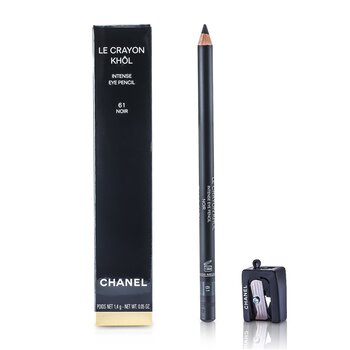

Le Crayon Khol - # 61 Noir by Chanel for Women - 0.05 oz Eye Liner
Analysis updated September 2026 · How Scout scores
At a glance
Summary
This eye liner features a formulation rich in natural oils and butters such as jojoba oil, shea butter, and marula oil, which are known for their moisturizing and nourishing properties. The inclusion of natural waxes like candelilla and carnauba wax helps stabilize the product while providing a smooth application. The ingredient list is free from harmful chemicals and synthetic additives, contributing to a high score for ingredient safety and minimal processing.
Key ingredients 15
Hydrogenated Jojoba OilVery Good
Hydrogenated Jojoba Oil is a stable form of jojoba oil, known for its moisturizing properties. It is non-comedogenic and mimics the skin's natural oils, making it suitable for sensitive skin. It helps in maintaining skin hydration and provides a smooth application.
Risks
There are minimal risks associated with hydrogenated jojoba oil, as it is generally well-tolerated.
Benefits
It provides excellent moisturizing benefits and helps in maintaining skin barrier function.
Caprylic/Capric TriglycerideVery Good
Caprylic/Capric Triglyceride is derived from coconut oil and glycerin, known for its excellent emollient properties. It helps in creating a lightweight, non-greasy barrier on the skin. It is often used to enhance the spreadability of products.
Risks
It is generally considered safe with low risk of irritation.
Benefits
Provides a silky feel and helps in moisturizing the skin without clogging pores.
Simmondsia Chinensis (Jojoba) Seed OilVery Good
Jojoba Seed Oil is a natural oil that closely resembles the skin's sebum, making it an excellent moisturizer. It is rich in vitamins and minerals that nourish the skin. It is known for its soothing and anti-inflammatory properties.
Risks
It is generally safe for all skin types, with minimal risk of irritation.
Benefits
Helps in balancing oil production and provides deep hydration.
Butyrospermum Parkii (Shea) ButterVery Good
Shea Butter is a natural fat extracted from the nuts of the shea tree, known for its rich moisturizing properties. It contains vitamins A and E, which promote skin health. It is widely used for its ability to soothe and soften the skin.
Risks
Rarely, it may cause allergic reactions in individuals with nut allergies.
Benefits
Provides deep hydration and helps in improving skin elasticity.
Sclerocarya Birrea Seed OilVery Good
Sclerocarya Birrea Seed Oil, also known as Marula Oil, is rich in antioxidants and essential fatty acids. It is known for its hydrating and anti-aging properties. It helps in reducing redness and maintaining skin moisture.
Risks
Generally safe, but patch testing is recommended for sensitive skin.
Benefits
Offers antioxidant protection and helps in improving skin texture.
TocopherolVery Good
Tocopherol, also known as Vitamin E, is a powerful antioxidant that helps protect the skin from free radical damage. It is known for its moisturizing and anti-inflammatory properties. It supports skin health and enhances the shelf life of products.
Risks
It is generally safe, but high concentrations may cause irritation in sensitive individuals.
Benefits
Provides antioxidant protection and helps in maintaining skin moisture.
Glyceryl CaprylateGood
Glyceryl Caprylate is a naturally derived ingredient used as an emollient and emulsifier. It helps in maintaining the stability of cosmetic formulations. It also has antimicrobial properties that can enhance product preservation.
Risks
It is generally safe with a low risk of irritation.
Benefits
Provides moisturizing benefits and helps in preserving product integrity.
Copernicia Cerifera (Carnauba) WaxGood
Carnauba Wax is a natural wax obtained from the leaves of the carnauba palm. It is used to thicken and stabilize cosmetic products. It provides a glossy finish and enhances the texture of formulations.
Risks
It is generally safe with minimal risk of irritation.
Benefits
Improves product texture and provides a protective, glossy finish.
Ascorbyl PalmitateGood
Ascorbyl Palmitate is a stable form of Vitamin C used for its antioxidant properties. It helps in protecting the skin from oxidative stress and supports collagen production. It is often used to enhance the stability of cosmetic formulations.
Risks
It is generally safe, but may cause irritation in sensitive skin at high concentrations.
Benefits
Provides antioxidant benefits and supports skin health.
Hydrogenated Vegetable OilNeutral
Hydrogenated Vegetable Oil is used to improve texture and stability in cosmetic formulations. It is a processed form of vegetable oil that can provide emollient properties. However, its hydrogenation process may reduce some natural benefits.
Risks
Potential concerns include the presence of trans fats, although this is more relevant in food products.
Benefits
It helps in providing a smooth texture and stability to the product.
Canola OilNeutral
Canola Oil is a vegetable oil used for its emollient properties in cosmetics. It is rich in omega-3 and omega-6 fatty acids. While it provides moisture, its benefits are less pronounced compared to other natural oils.
Risks
There is a low risk of irritation, but it may not be suitable for all skin types.
Benefits
Helps in moisturizing the skin and improving product texture.
Hydrogenated Palm Kernel GlyceridesNeutral
Hydrogenated Palm Kernel Glycerides are used to enhance the texture and stability of cosmetic products. They provide emollient properties and help in forming a protective barrier on the skin. However, the hydrogenation process may reduce some natural benefits.
Risks
Environmental concerns exist regarding palm oil production, but it is generally safe for skin use.
Benefits
Contributes to a smooth application and helps in maintaining product consistency.
Hydrogenated Palm GlyceridesNeutral
Hydrogenated Palm Glycerides are used for their emollient and stabilizing properties in cosmetics. They help in improving the texture and spreadability of products. The hydrogenation process may affect the natural properties of palm oil.
Risks
Environmental concerns are associated with palm oil sourcing, but it is safe for topical use.
Benefits
Provides a smooth texture and helps in maintaining product stability.
Euphorbia Cerifera (Candelilla) WaxNeutral
Standard formulation ingredient — neither beneficial nor harmful at typical use.
Risks
It is generally considered safe with a low risk of irritation.
Benefits
Enhances product texture and provides a protective, glossy finish.
Citric AcidNeutral
Citric Acid is used to adjust the pH of cosmetic formulations and acts as a mild exfoliant. It helps in maintaining the stability and effectiveness of products. However, it can be irritating to sensitive skin if used in high concentrations.
Risks
Potential for irritation exists, especially in sensitive skin or when used in high concentrations.
Benefits
Helps in maintaining product stability and can provide mild exfoliation.
Get the full breakdown in the Scout appTake Scout shopping
Scan any product to see lab results, healthy alternatives, and your personalized analysis.
Download on theApp Store GET IT ONGoogle Play