
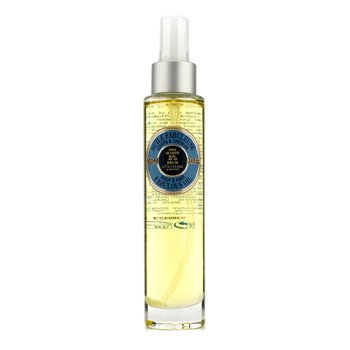
Shea Butter Fabulous Oil by LOccitane for Unisex - 3.4 oz Oil

75 Good
View on Amazon

Summary

This product contains a mix of natural oils such as shea, baobab, and sunflower, which are beneficial for skin health. However, it also includes several fragrance components like coumarin, linalool, and citronellol, which can be potential allergens and irritants. The presence of these synthetic fragrance elements and the processed nature of the product limit its score.

At a glance

Beneficial ingredients 0
Harmful ingredients 0
Category Body Lotion

Key ingredients 15

Helianthus Annuus Seed Oil

Helianthus Annuus Seed Oil, commonly known as sunflower oil, is a natural oil rich in linoleic acid and vitamin E. It is known for its emollient properties, helping to maintain the skin's moisture barrier. This oil is often used in cosmetics for its ability to soothe and condition the skin.

Risks

There are minimal risks associated with sunflower oil, though it may cause allergic reactions in rare cases.

Benefits

Sunflower oil is beneficial for its moisturizing and skin-conditioning properties, making it suitable for dry and sensitive skin.

Caprylic/Capric Triglyceride

Caprylic/Capric Triglyceride is a mixed triester derived from coconut oil and glycerin. It is used in cosmetics as an emollient and dispersing agent. This ingredient helps to create a smooth and non-greasy texture in formulations.

Risks

This ingredient is generally considered safe, with low risk of irritation or allergic reaction.

Benefits

It provides a lightweight, non-greasy feel and helps to enhance the spreadability of products.

See more about Caprylic/Capric Triglyceride →
Tocopherol

Tocopherol, also known as Vitamin E, is a powerful antioxidant that helps protect the skin from free radical damage. It is commonly used in skincare products for its moisturizing and healing properties. Tocopherol can also help to extend the shelf life of products by preventing oxidation.

Risks

In rare cases, tocopherol can cause skin irritation or allergic reactions.

Benefits

Vitamin E is beneficial for its antioxidant properties and its ability to support skin health and repair.

See more about Tocopherol →
Coumarin

Coumarin is a naturally occurring compound found in many plants, used in cosmetics for its fragrance. It has a sweet, vanilla-like scent and is often included in formulations to enhance the overall aroma. Despite its pleasant smell, it is known to be a potential allergen.

Risks

Coumarin can cause allergic reactions and skin sensitization in some individuals.

Benefits

It provides a pleasant fragrance to cosmetic products.

See more about Coumarin →
Linalool

Linalool is a naturally occurring terpene alcohol found in many flowers and spice plants. It is used in cosmetics for its pleasant floral scent. However, it is also recognized as a potential allergen and can cause skin irritation in sensitive individuals.

Risks

Linalool can cause allergic reactions and skin irritation, especially in sensitive individuals.

Benefits

It contributes a floral fragrance to products, enhancing the sensory experience.

See more about Linalool →
Citronellol

Citronellol is a natural monoterpenoid found in essential oils such as rose and geranium. It is used in cosmetics for its rose-like scent. Despite its natural origin, it is a known allergen and can cause skin irritation.

Risks

Citronellol can cause allergic reactions and skin irritation in some people.

Benefits

It provides a pleasant rose-like fragrance to cosmetic formulations.

See more about Citronellol →
Limonene

Limonene is a naturally occurring chemical found in the peels of citrus fruits. It is used in cosmetics for its fresh, citrus scent. However, it is a known allergen and can oxidize to form skin irritants.

Risks

Limonene can cause allergic reactions and skin irritation, particularly when oxidized.

Benefits

It imparts a fresh citrus fragrance to products, enhancing their appeal.

See more about Limonene →
Benzyl Salicylate

Benzyl Salicylate is an ester of salicylic acid and benzyl alcohol, used in cosmetics for its floral scent and as a UV light absorber. It is a common fragrance ingredient but is also a known allergen.

Risks

Benzyl Salicylate can cause allergic reactions and skin sensitization.

Benefits

It provides a floral fragrance and offers some UV protection in formulations.

See more about Benzyl Salicylate →
Geraniol

Geraniol is a monoterpenoid and alcohol found in essential oils such as rose oil and citronella oil. It is used in cosmetics for its sweet, rose-like scent. However, it is a known allergen and can cause skin irritation.

Risks

Geraniol can cause allergic reactions and skin irritation in sensitive individuals.

Benefits

It adds a sweet, floral fragrance to cosmetic products.

See more about Geraniol →
Citral

Citral is a naturally occurring compound found in the oils of several plants, including lemongrass. It is used in cosmetics for its strong lemon scent. Despite its natural origin, it is a known allergen and can cause skin irritation.

Risks

Citral can cause allergic reactions and skin irritation, especially in sensitive individuals.

Benefits

It provides a strong lemon fragrance, enhancing the sensory appeal of products.

See more about Citral →
Shea Oil

Shea Oil is derived from the seeds of the African shea tree and is rich in fatty acids and vitamins. It is used in cosmetics for its moisturizing and anti-inflammatory properties. Shea oil is known for its ability to soothe and nourish the skin.

Risks

There are minimal risks associated with shea oil, though it may cause allergic reactions in rare cases.

Benefits

Shea oil is beneficial for its deep moisturizing and skin-soothing properties.

Baobab Oil

Baobab Oil is extracted from the seeds of the baobab tree and is rich in vitamins and omega fatty acids. It is used in cosmetics for its moisturizing and antioxidant properties. Baobab oil is known for its ability to improve skin elasticity and promote healing.

Risks

There are minimal risks associated with baobab oil, though it may cause allergic reactions in rare cases.

Benefits

Baobab oil is beneficial for its nourishing and skin-rejuvenating properties.

Desert Date Palm Oil

Desert Date Palm Oil is derived from the seeds of the desert date tree and is rich in fatty acids. It is used in cosmetics for its emollient and moisturizing properties. This oil is known for its ability to soften and condition the skin.

Risks

There are minimal risks associated with desert date palm oil, though it may cause allergic reactions in rare cases.

Benefits

It is beneficial for its moisturizing and skin-conditioning properties.

Sunflower Oil

Sunflower Oil, also known as Helianthus Annuus Seed Oil, is a natural oil rich in linoleic acid and vitamin E. It is known for its emollient properties, helping to maintain the skin's moisture barrier. This oil is often used in cosmetics for its ability to soothe and condition the skin.

Risks

There are minimal risks associated with sunflower oil, though it may cause allergic reactions in rare cases.

Benefits

Sunflower oil is beneficial for its moisturizing and skin-conditioning properties, making it suitable for dry and sensitive skin.

See more about Sunflower Oil →
Carrot Seed Oil

Carrot Seed Oil is derived from the seeds of the carrot plant and is rich in beta-carotene and vitamins. It is used in cosmetics for its antioxidant and rejuvenating properties. Carrot seed oil is known for its ability to improve skin tone and texture.

Risks

There are minimal risks associated with carrot seed oil, though it may cause allergic reactions in rare cases.

Benefits

Carrot seed oil is beneficial for its skin-rejuvenating and antioxidant properties.

Processing

Group 3 · Processed

Processed Foods

Get the full breakdown in the Scout app

Scan any product to see lab results, healthy alternatives, and your personalized analysis.

Download on theApp Store