
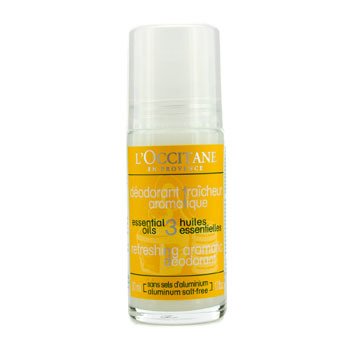

L'Occitane Refreshing Aromatic Deodorant at Nordstrom, Size 1.7 Oz
Analysis updated August 2026 · How Scout scores
At a glance
Summary
This deodorant features beneficial ingredients like witch hazel, glycerin, and caprylic/capric triglyceride, which are known for their skin-soothing and moisturizing properties. It is free from aluminum, synthetic fragrances, and propylene glycol, making it a cleaner option in the deodorant category. The presence of alcohol denat. and the processed nature of the product slightly limit its score, but overall it maintains a high rating due to its natural and safe ingredient profile.
Key ingredients 7
Caprylic/Capric TriglycerideGood
Caprylic/Capric Triglyceride is derived from coconut oil and glycerin. It is used as an emollient and helps to improve the spreadability of the product. It is generally considered safe and beneficial for skin conditioning.
Risks
There are minimal risks associated with this ingredient, though it may cause mild irritation in very sensitive individuals.
Benefits
It acts as an emollient, providing a smooth application and conditioning the skin.
GlycerinGood
Glycerin is a humectant that attracts moisture to the skin, helping to keep it hydrated. It is widely used in skincare for its moisturizing properties. It is generally well-tolerated and beneficial for maintaining skin hydration.
Risks
Glycerin is generally safe, but in rare cases, it can cause irritation if used in high concentrations.
Benefits
It helps to maintain skin hydration by attracting moisture from the environment.
Hamamelis Virginiana (Witch Hazel) WaterGood
Witch Hazel is known for its natural astringent and antimicrobial properties. It can help to soothe the skin and reduce inflammation. It is often used in deodorants for its ability to help control odor naturally.
Risks
In rare cases, witch hazel can cause skin irritation, especially in sensitive individuals.
Benefits
It provides natural antimicrobial benefits and can help soothe and tone the skin.
Aqua/WaterNeutral
Water is a common solvent used in many cosmetic products. It acts as a base for the formulation. It does not have any direct benefits or risks in the context of deodorants.
Risks
There are no known risks associated with water in cosmetic formulations.
Benefits
Water helps to dissolve other ingredients and provides a medium for them to be applied to the skin.
PropanediolNeutral
Propanediol is a glycol used as a solvent and skin-conditioning agent. It is considered a safer alternative to propylene glycol. It is generally well-tolerated and does not pose significant risks.
Risks
There are minimal risks associated with propanediol, though it may cause mild irritation in sensitive individuals.
Benefits
It acts as a solvent and helps to condition the skin, improving the texture of the product.
XylitolNeutral
Xylitol is a sugar alcohol used for its moisturizing properties and as a humectant. It can help to maintain skin hydration. It is generally considered safe for topical use.
Risks
There are no significant risks associated with xylitol in topical applications.
Benefits
It helps to maintain skin hydration and improve the moisture content of the skin.
Alcohol Denat.Very Bad
Heavily flagged ingredient class under Scout's doctrine.
Risks
Potential risks include skin dryness and irritation, especially for sensitive skin types.
Benefits
It provides a quick-drying effect and can help reduce bacteria temporarily.
Get the full breakdown in the Scout appTake Scout shopping
Scan any product to see lab results, healthy alternatives, and your personalized analysis.
Download on theApp Store GET IT ONGoogle Play