
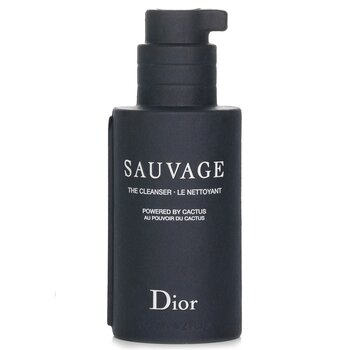

Christian DiorSauvage The Cleanser Powered By Cactus 125ml
Summary
This face wash contains beneficial ingredients like glycerin and Opuntia Coccinellifera Flower Extract, which provide hydration and soothing properties. However, the presence of 'parfum' is a concern due to potential allergens and skin irritation risks, which affects the overall safety profile. The product is moderately processed, which also impacts its rating.
At a glance
Key ingredients 23
Lauryl GlucosideNeutral
Lauryl Glucoside is a mild surfactant derived from natural sources like coconut oil and glucose. It is used to gently cleanse the skin without stripping natural oils. It is considered safe and non-irritating for most skin types.
Risks
There are minimal risks associated with Lauryl Glucoside, though some individuals may experience mild irritation.
Benefits
It provides gentle cleansing properties and is biodegradable, making it environmentally friendly.
Cocamidopropyl BetaineNeutral
Cocamidopropyl Betaine is a surfactant derived from coconut oil, commonly used to enhance the foaming properties of cleansers. It is generally considered mild and suitable for sensitive skin. However, it can sometimes cause allergic reactions in sensitive individuals.
Risks
Potential risks include skin irritation or allergic reactions in some individuals.
Benefits
It helps to create a rich lather and improve the texture of cleansing products.
Disodium Cocoyl GlutamateNeutral
Disodium Cocoyl Glutamate is a mild surfactant derived from coconut oil and glutamic acid. It is used for its gentle cleansing properties and is suitable for sensitive skin. It is biodegradable and considered safe for use in personal care products.
Risks
There are minimal risks, though it may cause mild irritation in rare cases.
Benefits
It offers gentle cleansing without stripping the skin's natural oils.
Acrylates CopolymerNeutral
Acrylates Copolymer is a film-forming agent used to improve the texture and stability of cosmetic products. It helps to create a smooth application and enhance product performance. It is generally considered safe for use in cosmetics.
Risks
Potential risks include skin irritation, especially in sensitive individuals.
Benefits
It provides a smooth texture and enhances the performance of cosmetic formulations.
GlycerinVery Good
Glycerin is a humectant that attracts moisture to the skin, helping to keep it hydrated. It is a common ingredient in skincare products due to its moisturizing properties. It is considered safe and beneficial for all skin types.
Risks
There are minimal risks associated with glycerin, though it may cause irritation in very rare cases.
Benefits
It helps to maintain skin hydration and improve skin barrier function.
Pentylene GlycolNeutral
Pentylene Glycol is a synthetic humectant and solvent used to enhance the texture and stability of cosmetic products. It helps to improve the spreadability and absorption of formulations. It is generally considered safe for use in cosmetics.
Risks
Potential risks include skin irritation, particularly in sensitive individuals.
Benefits
It enhances the texture and absorption of cosmetic products.
1,2-HexanediolNeutral
1,2-Hexanediol is a synthetic preservative and humectant used to improve the shelf life and texture of cosmetic products. It helps to prevent microbial growth and enhance product stability. It is considered safe for use in cosmetics.
Risks
Potential risks include skin irritation, especially in sensitive individuals.
Benefits
It acts as a preservative and humectant, enhancing product stability and texture.
Sodium Cocoyl GlutamateNeutral
Sodium Cocoyl Glutamate is a mild surfactant derived from coconut oil and glutamic acid. It is used for its gentle cleansing properties and is suitable for sensitive skin. It is biodegradable and considered safe for use in personal care products.
Risks
There are minimal risks, though it may cause mild irritation in rare cases.
Benefits
It offers gentle cleansing without stripping the skin's natural oils.
Polyglyceryl-10 StearateNeutral
Polyglyceryl-10 Stearate is an emulsifier used to stabilize formulations and improve texture. It is derived from natural sources and is considered safe for use in cosmetics. It helps to blend oil and water-based ingredients effectively.
Risks
There are minimal risks associated with this ingredient.
Benefits
It improves the texture and stability of cosmetic formulations.
MenthoxypropanediolNeutral
Menthoxypropanediol is a cooling agent derived from menthol, used to provide a refreshing sensation in cosmetic products. It is considered safe for use in cosmetics. It is often used in products designed to provide a cooling effect.
Risks
Potential risks include skin irritation, particularly in sensitive individuals.
Benefits
It provides a cooling and refreshing sensation on the skin.
ParfumBad
Parfum, or fragrance, is used to add scent to cosmetic products. It is a common ingredient but can cause allergic reactions or skin irritation in sensitive individuals. The exact composition of parfum is often undisclosed, leading to concerns about potential allergens.
Risks
Potential risks include skin irritation and allergic reactions.
Benefits
It enhances the sensory experience of using the product.
Sodium BenzoateNeutral
Sodium Benzoate is a preservative used to prevent microbial growth in cosmetic products. It is considered safe for use in cosmetics at low concentrations. It helps to extend the shelf life of products.
Risks
Potential risks include skin irritation, particularly in sensitive individuals.
Benefits
It acts as a preservative, enhancing product stability and shelf life.
Polyglyceryl-10 OleateNeutral
Polyglyceryl-10 Oleate is an emulsifier used to stabilize formulations and improve texture. It is derived from natural sources and is considered safe for use in cosmetics. It helps to blend oil and water-based ingredients effectively.
Risks
There are minimal risks associated with this ingredient.
Benefits
It improves the texture and stability of cosmetic formulations.
HydroxyacetophenoneNeutral
Hydroxyacetophenone is an antioxidant and preservative used to enhance the stability and shelf life of cosmetic products. It is considered safe for use in cosmetics. It helps to protect formulations from oxidative damage.
Risks
There are minimal risks associated with this ingredient.
Benefits
It acts as an antioxidant, protecting formulations from oxidative damage.
Sodium HydroxideNeutral
Sodium Hydroxide is used to adjust the pH of cosmetic formulations. It is a strong alkaline compound but is used in very small amounts to ensure product stability. It is considered safe for use in cosmetics when properly formulated.
Risks
Potential risks include skin irritation if used in high concentrations.
Benefits
It helps to maintain the stability and efficacy of cosmetic formulations.
Charcoal PowderNeutral
Charcoal Powder is used for its adsorbent properties, helping to remove impurities and excess oil from the skin. It is considered safe for use in cosmetics. It is often used in products designed for deep cleansing.
Risks
There are minimal risks associated with this ingredient.
Benefits
It helps to purify and cleanse the skin by removing impurities.
CI 77499Neutral
CI 77499, also known as Iron Oxide Black, is a pigment used to add color to cosmetic products. It is considered safe for use in cosmetics. It is commonly used in products to provide a natural-looking tint.
Risks
There are minimal risks associated with this ingredient.
Benefits
It provides color to cosmetic formulations, enhancing their appearance.
Citric AcidNeutral
Citric Acid is used to adjust the pH of cosmetic formulations and as a mild exfoliant. It is derived from citrus fruits and is considered safe for use in cosmetics. It helps to maintain product stability and improve skin texture.
Risks
Potential risks include skin irritation, particularly in sensitive individuals.
Benefits
It helps to maintain the stability and efficacy of cosmetic formulations.
Opuntia Coccinellifera Flower ExtractVery Good
Opuntia Coccinellifera Flower Extract is a botanical extract known for its hydrating and soothing properties. It is derived from the cactus plant and is considered safe for use in cosmetics. It helps to moisturize and calm the skin.
Risks
There are minimal risks associated with this ingredient.
Benefits
It provides hydration and soothing benefits to the skin.
SilicaNeutral
Silica is used as an absorbent and anti-caking agent in cosmetic products. It helps to improve the texture and application of formulations. It is considered safe for use in cosmetics.
Risks
There are minimal risks associated with this ingredient.
Benefits
It enhances the texture and application of cosmetic formulations.
Caprylyl GlycolNeutral
Caprylyl Glycol is a humectant and skin conditioning agent used to improve the texture and hydration of cosmetic products. It is considered safe for use in cosmetics. It helps to enhance the moisture content of the skin.
Risks
There are minimal risks associated with this ingredient.
Benefits
It helps to improve skin hydration and texture.
Triethyl CitrateNeutral
Triethyl Citrate is used as a fragrance ingredient and solvent in cosmetic products. It is considered safe for use in cosmetics. It helps to enhance the scent and stability of formulations.
Risks
There are minimal risks associated with this ingredient.
Benefits
It enhances the scent and stability of cosmetic formulations.
Pentaerythrityl Tetra-Di-T-Butyl HydroxyhydrocinnamateNeutral
Pentaerythrityl Tetra-Di-T-Butyl Hydroxyhydrocinnamate is an antioxidant used to protect cosmetic formulations from oxidative damage. It is considered safe for use in cosmetics. It helps to extend the shelf life of products.
Risks
There are minimal risks associated with this ingredient.
Benefits
It acts as an antioxidant, protecting formulations from oxidative damage.
Processing
Processed Foods
Get the full breakdown in the Scout app
Scan any product to see lab results, healthy alternatives, and your personalized analysis.
Download on theApp Store