

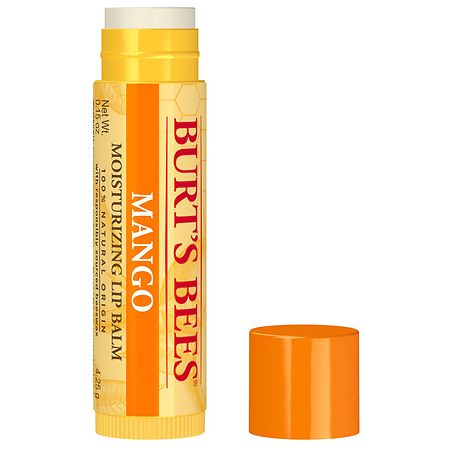

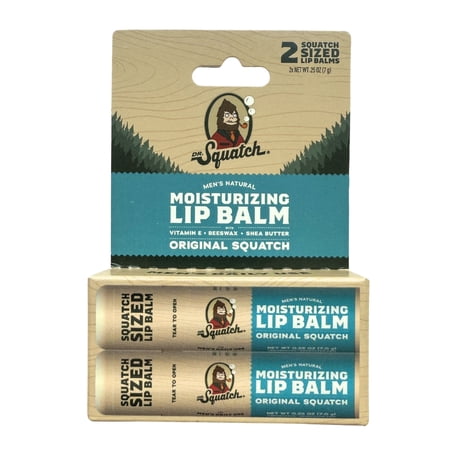
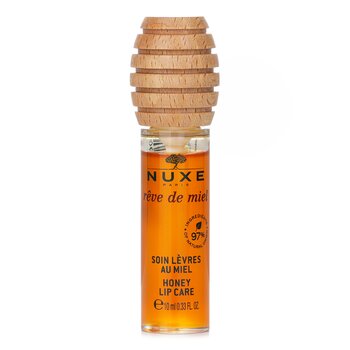
SEPHORA COLLECTION Oil Infusion Hydrating Lip Oil, Size: 0.1 Oz, Pink
Analysis updated September 2026 · How Scout scores
At a glance
Summary
This lip oil contains several beneficial natural oils such as castor oil, sweet almond oil, and argan oil, which are known for their moisturizing and nourishing properties. However, the presence of 'parfum' as a fragrance can be a source of irritation or allergic reactions, which slightly detracts from its overall safety profile. The product is mostly composed of natural ingredients, but the inclusion of synthetic fragrance prevents it from achieving a higher rating.
Key ingredients 6
Ricinus Communis Seed OilVery Good
Ricinus Communis Seed Oil, commonly known as castor oil, is a natural oil known for its moisturizing properties. It is rich in fatty acids that help nourish and hydrate the skin. It is often used in lip care products for its ability to provide a protective barrier.
Risks
There is a low risk of allergic reactions, but it is generally considered safe for topical use.
Benefits
It provides excellent hydration and helps to lock in moisture, making it beneficial for dry or chapped lips.
Prunus Amygdalus Dulcis OilVery Good
Prunus Amygdalus Dulcis Oil, or sweet almond oil, is a natural oil rich in vitamins and fatty acids. It is known for its ability to soften and condition the skin. It is often used in cosmetics for its nourishing properties.
Risks
There is a slight risk of allergic reactions, particularly for those with nut allergies.
Benefits
It helps to soothe and moisturize the lips, providing a natural source of vitamins A and E.
Argania Spinosa Kernel OilVery Good
Argania Spinosa Kernel Oil, or argan oil, is a highly valued natural oil known for its hydrating and anti-inflammatory properties. It is rich in antioxidants and essential fatty acids. It is often used in skincare for its ability to nourish and protect the skin.
Risks
There is a low risk of irritation or allergic reaction, making it suitable for most skin types.
Benefits
It provides deep hydration and helps to improve skin elasticity, making it beneficial for maintaining healthy lips.
TocopherolVery Good
Tocopherol, commonly known as Vitamin E, is a powerful antioxidant that helps protect the skin from environmental damage. It is often used in skincare products for its moisturizing and healing properties. It helps to improve the shelf life of products by preventing oxidation.
Risks
There is minimal risk associated with tocopherol, as it is generally well-tolerated.
Benefits
It helps to soothe and repair the skin, making it beneficial for maintaining healthy, hydrated lips.
Caprylic/Capric TriglycerideGood
Caprylic/Capric Triglyceride is derived from coconut oil and glycerin, and is used as an emollient. It helps to improve the spreadability of products and provides a silky feel. It is a stable ingredient that helps to moisturize and replenish the skin.
Risks
There are minimal risks associated with this ingredient, as it is generally well-tolerated.
Benefits
It is lightweight and non-greasy, making it ideal for use in lip products to enhance smoothness and hydration.
ParfumBad
Parfum, or fragrance, is often added to cosmetics for scent but can be a source of irritation or allergic reactions. It is a broad term that can include many different chemicals. Fragrance is often criticized for its potential to cause skin sensitivity.
Risks
It can cause allergic reactions or irritation, especially for those with sensitive skin.
Benefits
While it provides a pleasant scent, it does not offer any direct benefits to the skin.
Get the full breakdown in the Scout appTake Scout shopping
Scan any product to see lab results, healthy alternatives, and your personalized analysis.
Download on theApp Store GET IT ONGoogle PlayAmazon pricing & content
Amazon price as of . Product prices and availability are accurate as of the date/time indicated and are subject to change. Any price and availability information displayed on Amazon.com at the time of purchase will apply to the purchase of this product.
CERTAIN CONTENT THAT APPEARS ON THIS SITE COMES FROM AMAZON. THIS CONTENT IS PROVIDED “AS IS” AND IS SUBJECT TO CHANGE OR REMOVAL AT ANY TIME.