
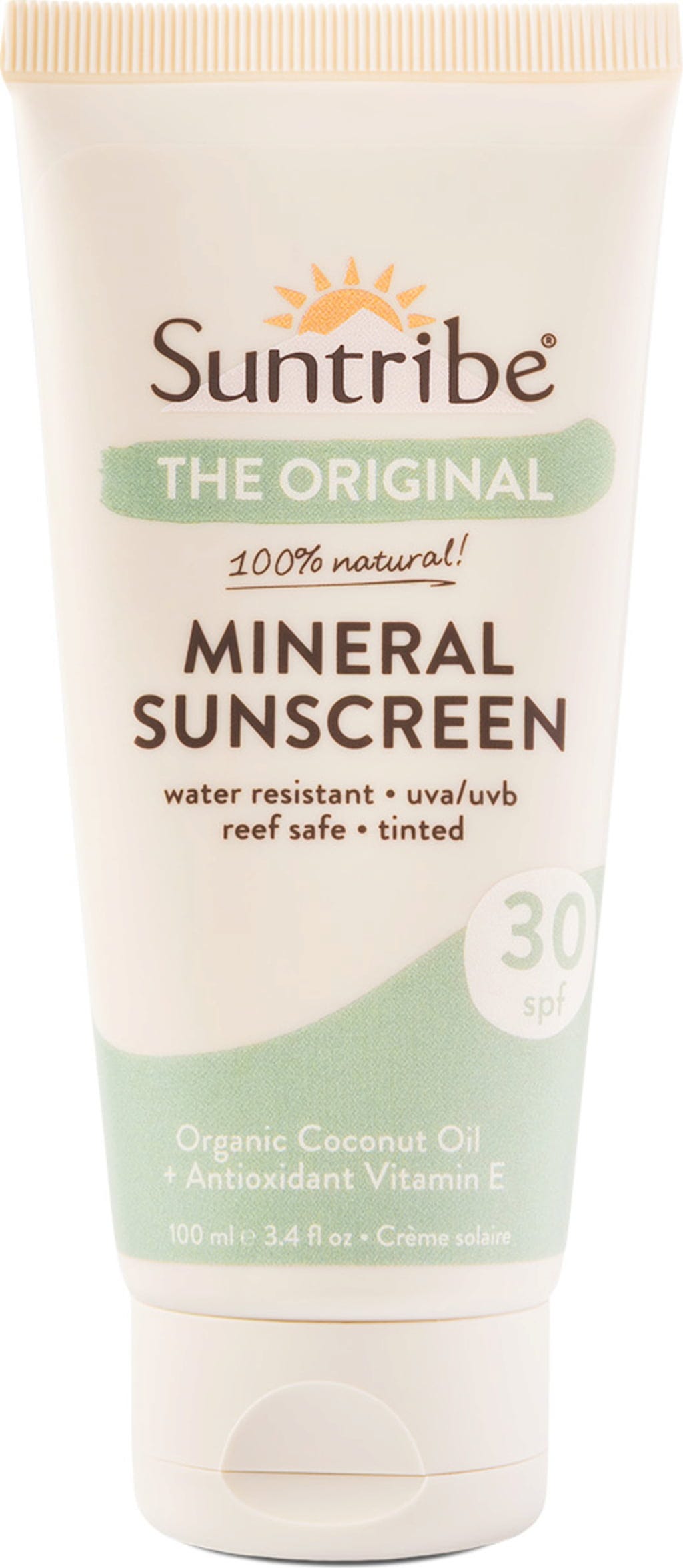
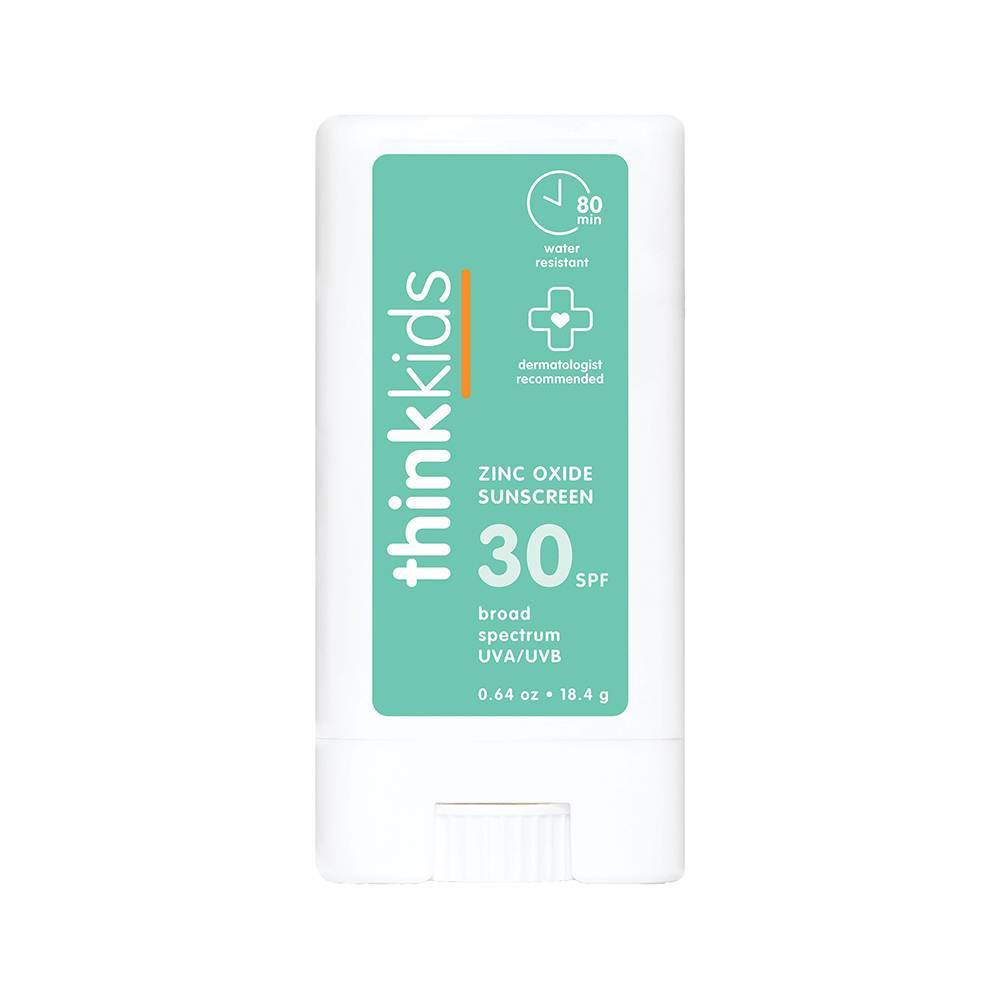
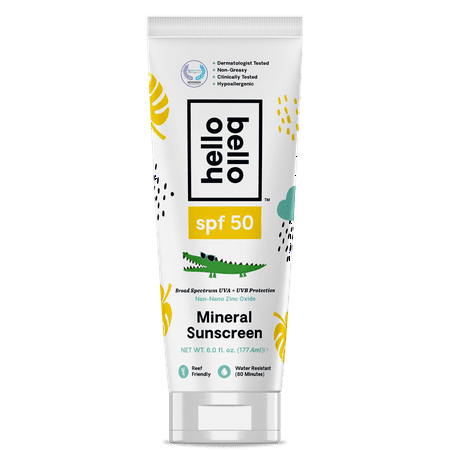
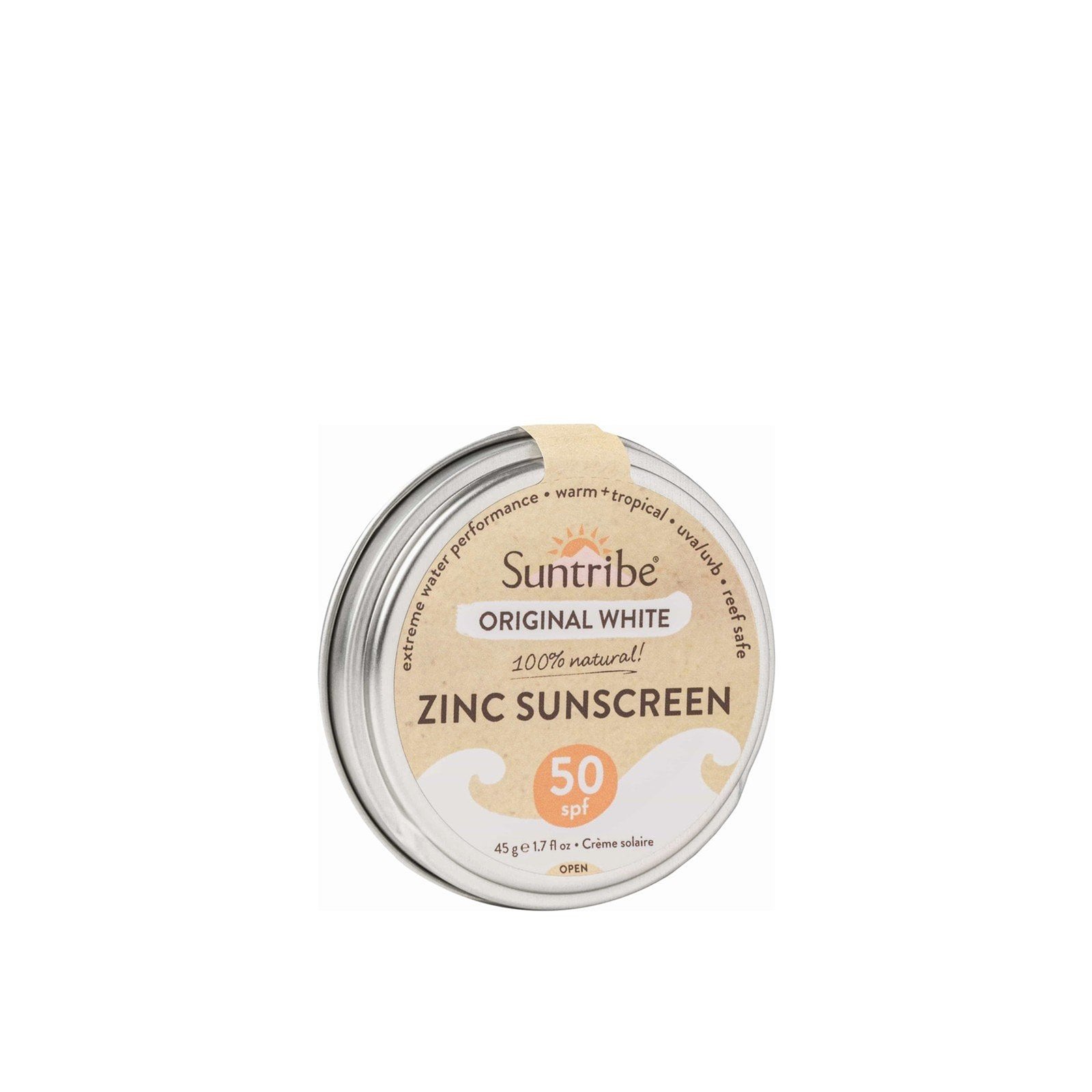
Photoderm Mineral Spray SPF 50 by Bioderma for Unisex - 3.5 oz Sunscreen
Summary
This sunscreen contains beneficial mineral UV filters like titanium dioxide and zinc oxide, which are generally considered safe and effective. However, the presence of synthetic ingredients such as ethylhexyl methoxycrylene and alumina, along with the processed nature of the product, slightly lowers its score. The formulation lacks harmful chemical UV filters and synthetic fragrances, which is a positive aspect.
At a glance
Key ingredients 13
Ethylhexyl Methoxycrylene
Ethylhexyl Methoxycrylene is a photostabilizer used to enhance the stability of sunscreen formulations. It helps prevent the degradation of UV filters, ensuring prolonged protection. It is generally considered safe for use in cosmetics.
Risks
There are minimal risks associated with this ingredient, though some individuals may experience mild skin irritation.
Benefits
It enhances the effectiveness of sunscreens by stabilizing other UV filters, providing better sun protection.
C20-22 Alcohols
C20-22 Alcohols are fatty alcohols used as emollients and thickening agents in cosmetic formulations. They help improve the texture and spreadability of products. These alcohols are derived from natural sources and are considered safe.
Risks
There are minimal risks, but in rare cases, they may cause mild skin irritation.
Benefits
They provide moisturizing properties and improve the texture of the product, making it more pleasant to apply.
Pentylene Glycol
Pentylene Glycol is a synthetic humectant and solvent used in cosmetics to improve skin hydration. It also acts as a preservative booster, enhancing the efficacy of other preservatives. It is generally well-tolerated by the skin.
Risks
There is a low risk of skin irritation, particularly for sensitive skin types.
Benefits
It helps to hydrate the skin and improve the overall stability of the product.
Microcrystalline Cellulose
Microcrystalline Cellulose is used as a bulking agent and stabilizer in cosmetic formulations. It helps to improve the consistency and texture of products. It is derived from plant sources and is considered safe for use.
Risks
There are no significant risks associated with this ingredient.
Benefits
It enhances the texture and stability of the product without causing irritation.
Alumina
Alumina is used as an abrasive and thickening agent in cosmetics. It helps to improve the texture and spreadability of products. It is considered safe for use in cosmetics.
Risks
There are minimal risks, though it may cause mild irritation in sensitive individuals.
Benefits
It improves the texture and application of the product, making it more user-friendly.
Caprylic/Capric Triglyceride
Caprylic/Capric Triglyceride is an emollient derived from coconut oil and glycerin. It is used to improve the spreadability and moisturizing properties of cosmetic products. It is considered safe and non-irritating.
Risks
There are minimal risks, with rare cases of mild irritation.
Benefits
It provides excellent moisturizing properties and enhances the texture of the product.
Cocoglycerides
Cocoglycerides are emollients derived from coconut oil, used to improve the texture and moisturizing properties of cosmetics. They are considered safe and non-irritating.
Risks
There are minimal risks, with rare cases of mild irritation.
Benefits
They provide moisturizing benefits and improve the texture of the product.
Decyl Oleate
Decyl Oleate is an emollient used to improve the texture and spreadability of cosmetic products. It is derived from natural sources and is considered safe for use.
Risks
There are minimal risks, though it may cause mild irritation in sensitive individuals.
Benefits
It enhances the moisturizing properties and texture of the product.
Dicaprylyl Carbonate
Dicaprylyl Carbonate is an emollient used to improve the spreadability and texture of cosmetic formulations. It is derived from natural sources and is considered safe for use.
Risks
There are minimal risks, with rare cases of mild irritation.
Benefits
It provides a silky feel and enhances the texture of the product.
Polyhydroxystearic Acid
Polyhydroxystearic Acid is used as a thickening agent and emulsifier in cosmetics. It helps to stabilize formulations and improve texture. It is considered safe for use in cosmetics.
Risks
There are minimal risks, though it may cause mild irritation in sensitive individuals.
Benefits
It enhances the stability and texture of the product.
Silica Dimethyl Silylate
Silica Dimethyl Silylate is used as a thickening agent and anti-caking agent in cosmetics. It helps to improve the texture and stability of products. It is considered safe for use in cosmetics.
Risks
There are minimal risks, though it may cause mild irritation in sensitive individuals.
Benefits
It enhances the texture and stability of the product.
Titanium Dioxide
Titanium Dioxide is a mineral used as a physical UV filter in sunscreens. It provides broad-spectrum sun protection by reflecting UV radiation. It is considered safe and effective for use in sunscreens.
Risks
There are minimal risks, though it may cause mild irritation in sensitive individuals.
Benefits
It provides effective sun protection and is a key ingredient in mineral sunscreens.
Zinc Oxide
Zinc Oxide is a mineral used as a physical UV filter in sunscreens. It provides broad-spectrum sun protection by reflecting UV radiation. It is considered safe and effective for use in sunscreens.
Risks
There are minimal risks, though it may cause mild irritation in sensitive individuals.
Benefits
It provides effective sun protection and is a key ingredient in mineral sunscreens.
Processing
Processed Foods
Get the full breakdown in the Scout app
Scan any product to see lab results, healthy alternatives, and your personalized analysis.
Download on theApp Store