

At a glance
Summary
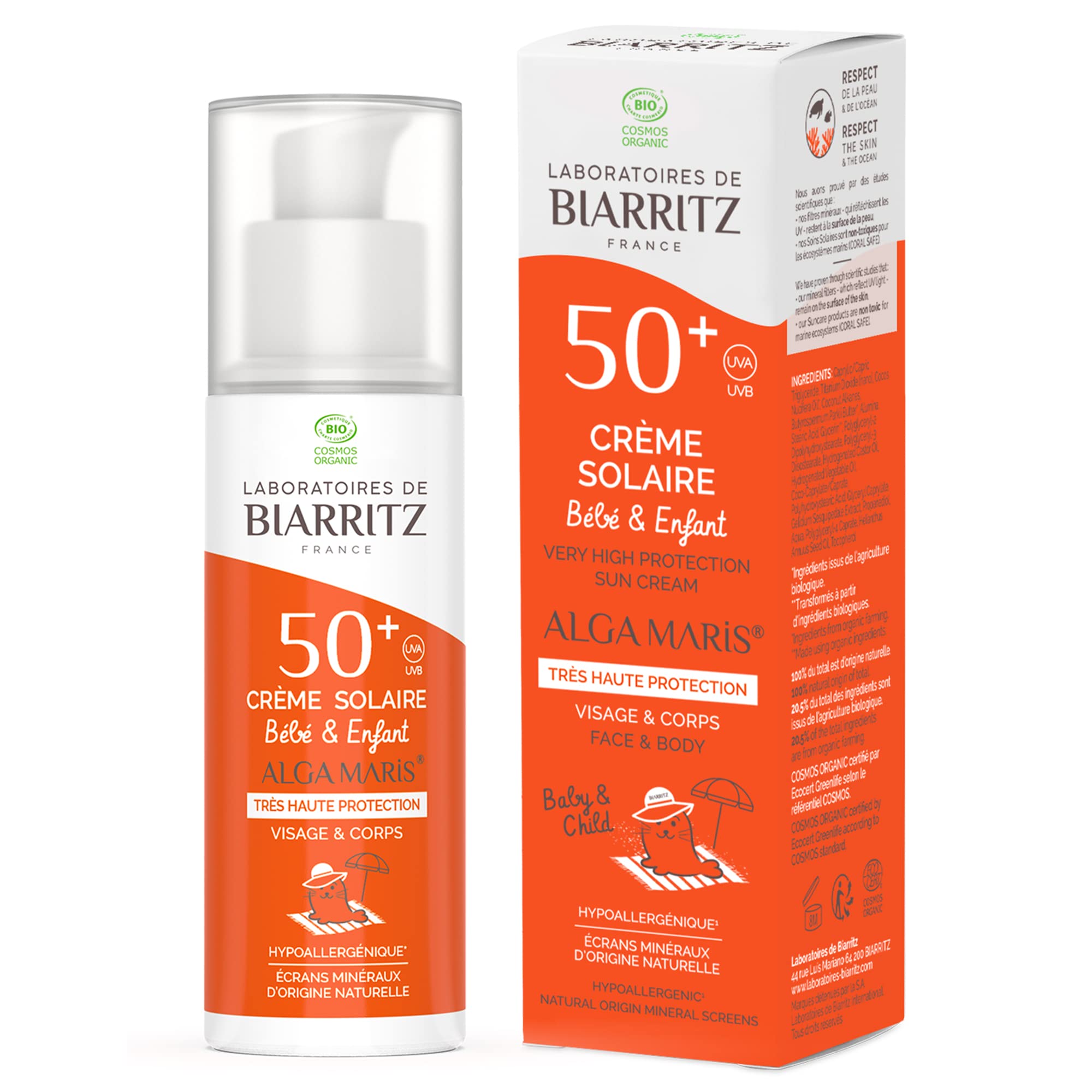
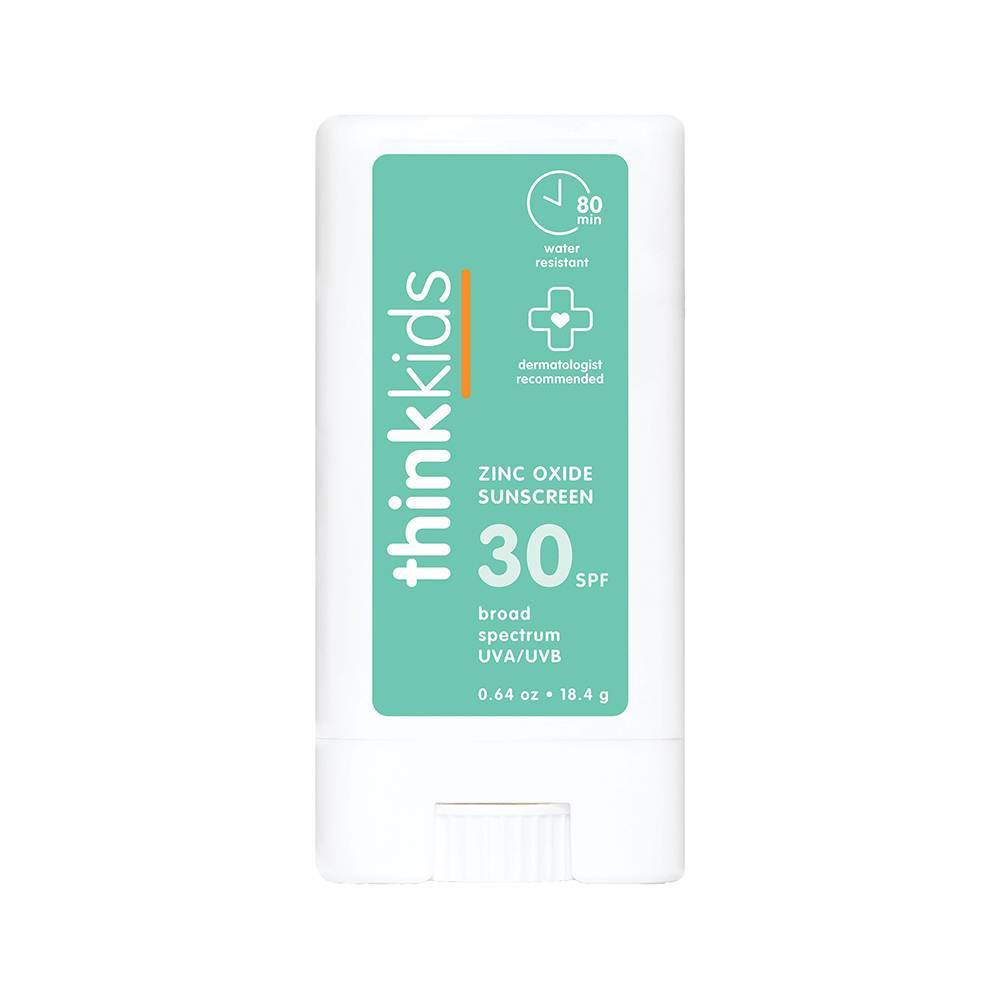
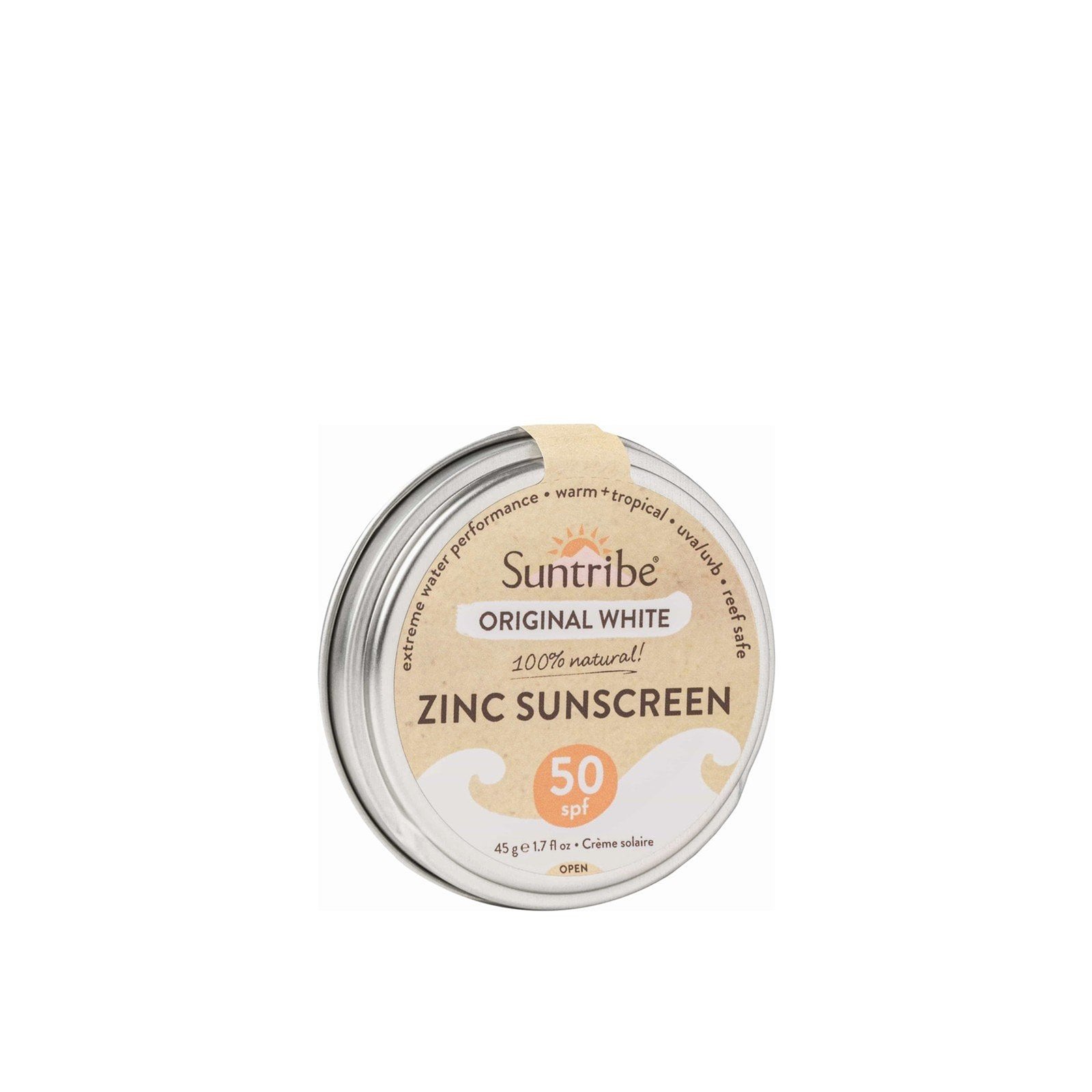
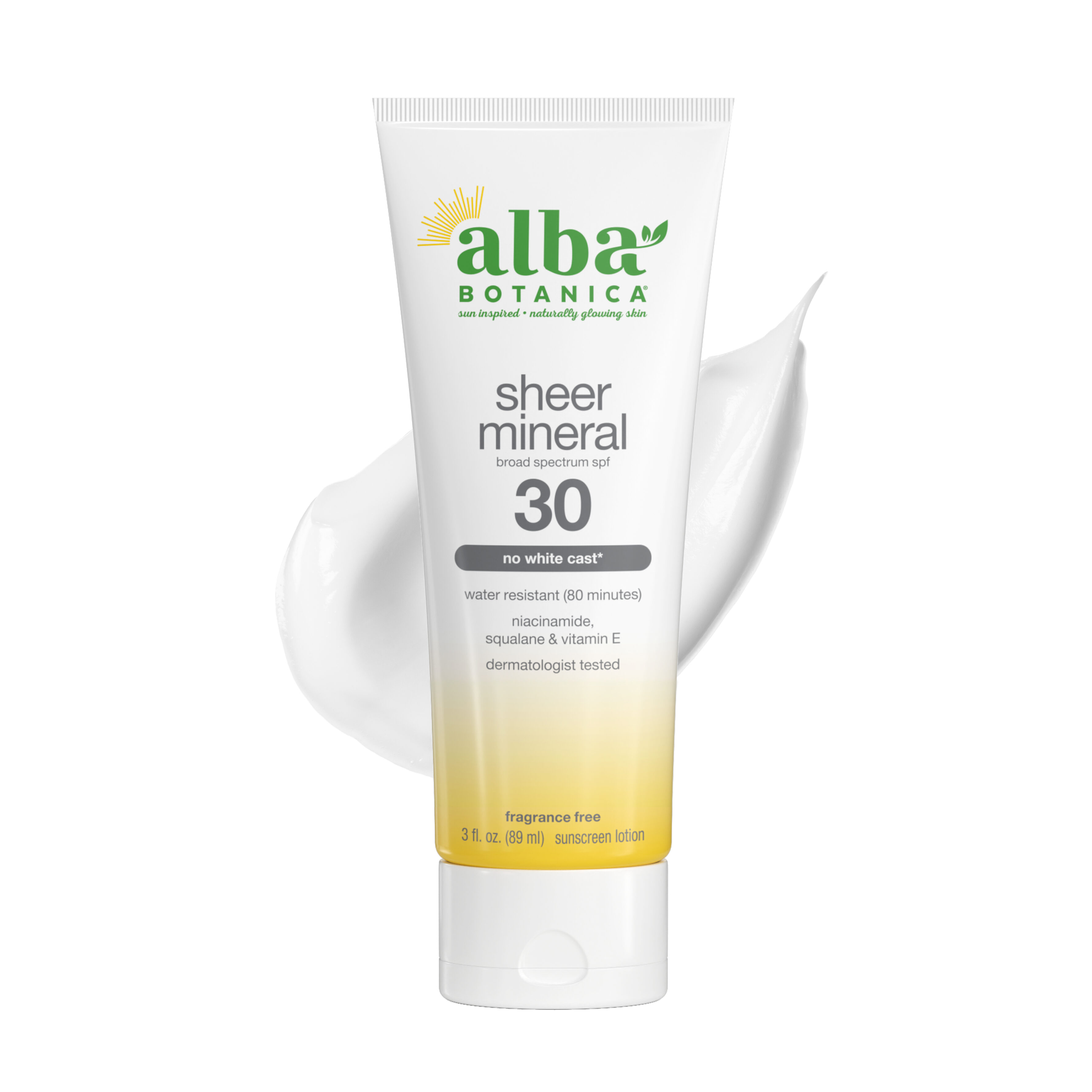
This sunscreen features beneficial ingredients such as zinc oxide and titanium dioxide, which are mineral UV filters known for their safety and efficacy. The inclusion of natural oils and aloe vera further enhances its skin-friendly profile. However, the presence of talc, which has potential health concerns, slightly detracts from its overall ingredient safety.
Key ingredients 24
Aloe Barbadensis Leaf Juice PowderVery Good
Aloe Barbadensis Leaf Juice Powder is derived from aloe vera and is known for its soothing and hydrating properties. It is widely used in cosmetics for its skin-calming effects. It is considered safe and beneficial for all skin types.
Risks
There are minimal risks, though some individuals may experience mild irritation.
Benefits
It provides excellent hydration and soothing benefits, making it ideal for sensitive skin.
Coconut AlkanesGood
Coconut Alkanes are derived from coconut oil and are used as a natural emollient. They provide a silky texture and help to moisturize the skin. They are considered a safer alternative to synthetic silicones.
Risks
There are minimal risks, though some individuals may experience mild irritation.
Benefits
They offer a lightweight, non-greasy feel and help to lock in moisture.
Caprylic/Capric TriglycerideGood
This ingredient is a mixed triester derived from coconut oil and glycerin. It is used for its skin-replenishing and moisturizing properties. It is well-tolerated by most skin types.
Risks
Rarely, it may cause mild irritation in sensitive individuals.
Benefits
It helps to smooth and soften the skin, enhancing the product's texture.
Zinc OxideGood
Zinc Oxide is a mineral sunscreen agent that provides broad-spectrum UV protection. It is known for its safety and efficacy in protecting the skin from sun damage. It is often used in natural and sensitive skin formulations.
Risks
There are minimal risks, though it may leave a white cast on the skin.
Benefits
It offers effective sun protection and is gentle on the skin.
Prunus Domestica Seed OilGood
Prunus Domestica Seed Oil is a natural oil rich in fatty acids and antioxidants. It helps to nourish and moisturize the skin. It is valued for its emollient properties and pleasant scent.
Risks
There are minimal risks, though it may cause irritation in those with nut allergies.
Benefits
It provides deep hydration and helps to improve skin elasticity.
Helianthus Annuus Seed OilGood
Helianthus Annuus Seed Oil, or sunflower seed oil, is rich in vitamins and fatty acids. It is used for its moisturizing and skin-conditioning properties. It is well-tolerated by most skin types.
Risks
There are minimal risks, though it may cause irritation in those with seed allergies.
Benefits
It helps to nourish and protect the skin, improving its overall health.
GlycerinGood
Glycerin is a humectant that attracts moisture to the skin. It is widely used in cosmetics for its hydrating properties. It is considered safe and effective for all skin types.
Risks
There are minimal risks associated with glycerin.
Benefits
It helps to maintain skin hydration and improve skin barrier function.
Coco-Caprylate/CaprateGood
Coco-Caprylate/Caprate is an emollient derived from coconut oil. It provides a lightweight, non-greasy feel and enhances skin softness. It is considered safe and non-irritating.
Risks
There are minimal risks, though it may cause mild irritation in sensitive individuals.
Benefits
It improves the texture and spreadability of cosmetic products.
TocopherolGood
Tocopherol, or Vitamin E, is an antioxidant that helps to protect the skin from free radical damage. It is widely used in cosmetics for its skin-conditioning properties. It is considered safe and beneficial for all skin types.
Risks
There are minimal risks associated with tocopherol.
Benefits
It provides antioxidant protection and helps to improve skin health.
AquaNeutral
Aqua, or water, is a common solvent used in cosmetic formulations. It helps dissolve other ingredients and provides a base for the product. It is generally considered safe and non-reactive.
Risks
There are no significant risks associated with water in cosmetics.
Benefits
Water is essential for hydration and acts as a carrier for other beneficial ingredients.
Titanium DioxideNeutral
Titanium Dioxide is another mineral sunscreen agent that provides UV protection. It is commonly used in combination with Zinc Oxide for broad-spectrum coverage. It is considered safe for use in cosmetics.
Risks
Inhalation of its powder form can be harmful, but this is not a concern in creams.
Benefits
It provides effective sun protection and is suitable for sensitive skin.
Polyglyceryl-2 DipolyhydroxystearateNeutral
This ingredient is an emulsifier that helps to blend oil and water components. It is derived from natural sources and is considered safe for use in cosmetics. It helps to stabilize formulations.
Risks
There are minimal risks associated with this ingredient.
Benefits
It improves the texture and stability of cosmetic products.
Sorbitan OlivateNeutral
Sorbitan Olivate is an emulsifier derived from olive oil and sorbitol. It helps to blend and stabilize oil and water components in formulations. It is considered safe and non-irritating.
Risks
There are minimal risks associated with this ingredient.
Benefits
It enhances the texture and stability of cosmetic products.
Polyglyceryl-3 DiisostearateNeutral
This ingredient is an emulsifier that helps to mix oil and water components. It is derived from natural sources and is considered safe for use in cosmetics. It contributes to the product's stability.
Risks
There are minimal risks associated with this ingredient.
Benefits
It improves the texture and consistency of cosmetic formulations.
AluminaNeutral
Alumina is used as a thickening agent and absorbent in cosmetics. It helps to improve the texture and stability of formulations. It is generally considered safe for topical use.
Risks
There are minimal risks associated with alumina in topical applications.
Benefits
It enhances the texture and consistency of cosmetic products.
Stearic AcidNeutral
Stearic Acid is a fatty acid used as an emulsifier and thickener. It helps to stabilize formulations and improve texture. It is considered safe for use in cosmetics.
Risks
There are minimal risks associated with stearic acid.
Benefits
It contributes to the stability and texture of cosmetic products.
Glyceryl CaprylateNeutral
Glyceryl Caprylate is an emulsifier and skin-conditioning agent. It helps to blend oil and water components and provides moisturizing benefits. It is considered safe for use in cosmetics.
Risks
There are minimal risks associated with glyceryl caprylate.
Benefits
It enhances the texture and moisturizing properties of cosmetic products.
Magnesium SulfateNeutral
Magnesium Sulfate, also known as Epsom salt, is used as a thickening agent. It helps to improve the texture and stability of formulations. It is generally considered safe for topical use.
Risks
There are minimal risks associated with magnesium sulfate in topical applications.
Benefits
It enhances the texture and consistency of cosmetic products.
Gelidium Sesquipedale ExtractNeutral
Gelidium Sesquipedale Extract is derived from red algae and is used for its skin-conditioning properties. It helps to hydrate and soothe the skin. It is considered safe for use in cosmetics.
Risks
There are minimal risks associated with this ingredient.
Benefits
It provides hydration and soothing benefits to the skin.
PropanediolNeutral
Propanediol is a glycol used as a solvent and humectant in cosmetics. It helps to improve the texture and moisture content of formulations. It is considered safe for use in cosmetics.
Risks
There are minimal risks associated with propanediol.
Benefits
It enhances the texture and hydration properties of cosmetic products.
Polyglyceryl-4 CaprateNeutral
Polyglyceryl-4 Caprate is an emulsifier that helps to blend oil and water components. It is derived from natural sources and is considered safe for use in cosmetics. It contributes to the stability of formulations.
Risks
There are minimal risks associated with this ingredient.
Benefits
It improves the texture and stability of cosmetic products.
TalcBad
Talc is used for its absorbent properties and smooth texture. However, it has been associated with health concerns, particularly when contaminated with asbestos. Its safety is debated in cosmetics.
Risks
There is a potential risk of contamination with asbestos, which is a known carcinogen.
Benefits
It provides a smooth, silky feel and helps to absorb moisture.
Sodium BenzoateBad
Synthetic preservative that can form benzene in the presence of vitamin C.
Risks
There are minimal risks, though it may cause irritation in sensitive individuals.
Benefits
It helps to preserve the product and extend its shelf life.
Potassium SorbateBad
Synthetic preservative — flagged in daily-use products.
Risks
There are minimal risks, though it may cause irritation in sensitive individuals.
Benefits
It helps to preserve the product and extend its shelf life.
Get the full breakdown in the Scout appTake Scout shopping
Scan any product to see lab results, healthy alternatives, and your personalized analysis.
Download on theApp Store GET IT ONGoogle Play