
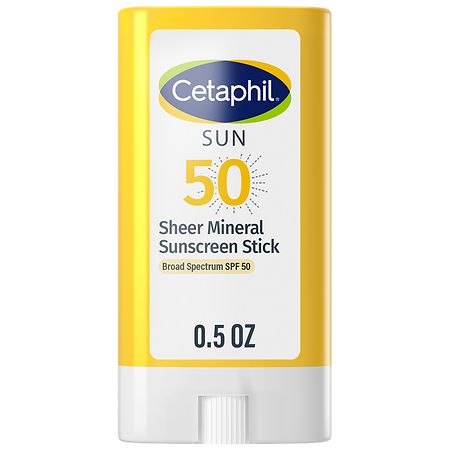
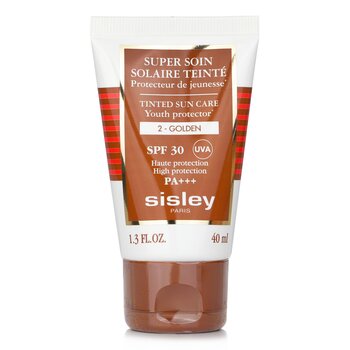
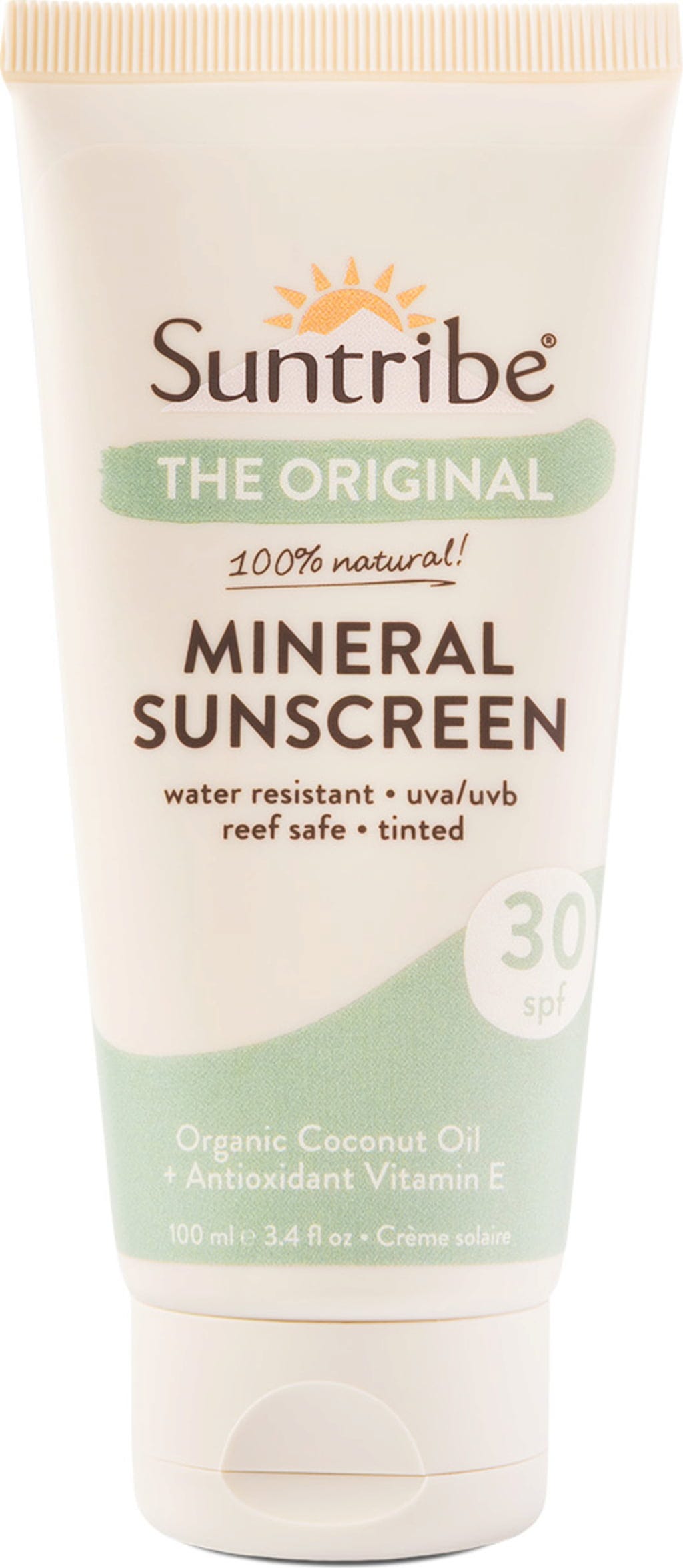
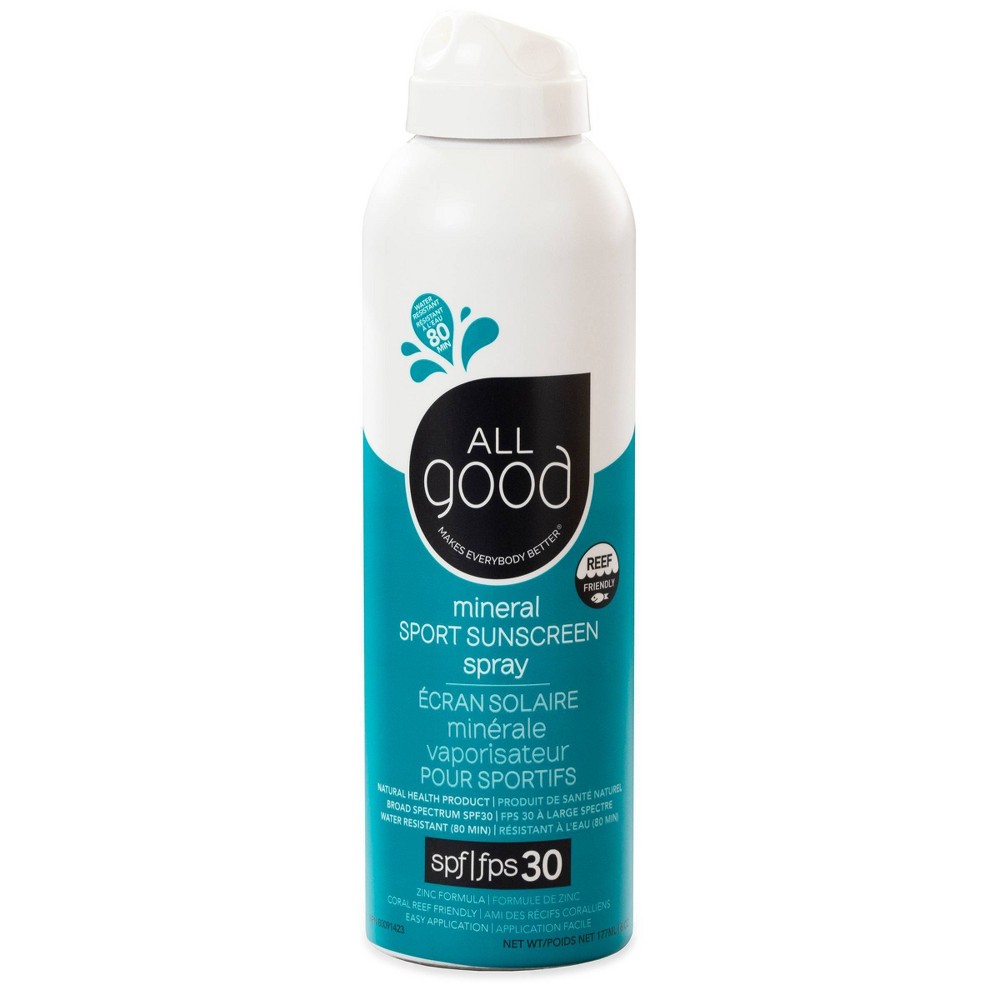
Cetaphil Sheer Mineral Sunscreen Stick SPF 50, Face & Body - 0.5 fl oz: Paraben-Free, Hypoallergenic, Contains Vitamin E, Titanium Dioxide
Analysis updated August 2026 · How Scout scores
At a glance
Summary
This sunscreen stick features mineral UV filters, titanium dioxide and zinc oxide, which are considered safe and effective for broad-spectrum protection. The inclusion of natural ingredients like beeswax and Vitamin E adds to its skin-friendly profile. However, the presence of BHT, a controversial synthetic antioxidant, slightly detracts from its overall safety, and the product is moderately processed, which limits its score.
Key ingredients 18
BeeswaxVery Good
Beeswax is a natural ingredient used to thicken and stabilize formulations. It is well-tolerated by most skin types and provides a protective barrier. It also has moisturizing properties.
Risks
Rarely, some individuals may experience allergic reactions to beeswax.
Benefits
Acts as a natural moisturizer and skin barrier, helping to lock in moisture.
Zinc OxideGood
Zinc Oxide is a mineral sunscreen agent known for its broad-spectrum UV protection. It is considered safe and effective, especially in cream or lotion forms. It is often recommended for sensitive skin due to its soothing properties.
Risks
May leave a white cast on the skin, which can be cosmetically undesirable.
Benefits
Offers excellent protection against both UVA and UVB rays and is gentle on sensitive skin.
Tocopheryl Acetate (Vitamin E)Good
Tocopheryl Acetate is a form of Vitamin E used for its antioxidant properties. It is considered safe and beneficial for skin health. It helps to protect the skin from environmental damage and improve moisture retention.
Risks
Rarely, it may cause irritation in very sensitive skin.
Benefits
Provides antioxidant protection and helps to improve skin hydration.
Titanium DioxideNeutral
Titanium Dioxide is a mineral sunscreen agent that provides broad-spectrum UV protection. It is generally considered safe and effective for use in sunscreens. However, its effectiveness can be reduced if not properly formulated.
Risks
Inhalation of nanoparticles can be a concern, though this is less relevant in stick formulations.
Benefits
Provides effective UV protection and is less likely to cause skin irritation compared to chemical sunscreens.
Aluminum HydroxideNeutral
Aluminum Hydroxide is used as a thickening agent and to improve the spreadability of products. It is generally considered safe in cosmetics. However, there are concerns about aluminum compounds in general, though evidence is not conclusive.
Risks
Potential concerns about aluminum exposure, though not specifically linked to Aluminum Hydroxide in cosmetics.
Benefits
Helps improve the texture and application of the product.
C12-15 Alkyl BenzoateNeutral
C12-15 Alkyl Benzoate is an emollient that helps improve the texture and spreadability of products. It is generally considered safe for use in cosmetics. It can occasionally cause irritation in sensitive skin.
Risks
May cause mild irritation in sensitive skin types.
Benefits
Provides a silky feel and enhances the spreadability of the product.
Cetyl AlcoholNeutral
Cetyl Alcohol is a fatty alcohol used as an emollient and thickener in cosmetics. It is generally considered safe and non-irritating. It helps to stabilize and improve the texture of formulations.
Risks
Rarely, it may cause irritation in very sensitive skin.
Benefits
Improves the texture and stability of cosmetic formulations.
Euphorbia Cerifera (Candelilla) WaxNeutral
Standard formulation ingredient — neither beneficial nor harmful at typical use.
Risks
Rarely, it may cause allergic reactions in sensitive individuals.
Benefits
Acts as a natural thickener and provides a protective barrier on the skin.
Isostearic AcidNeutral
Isostearic Acid is used as an emulsifier and thickener in cosmetics. It is generally considered safe and non-irritating. It helps to stabilize formulations and improve texture.
Risks
May cause mild irritation in sensitive skin types.
Benefits
Improves the stability and texture of cosmetic formulations.
Neopentyl Glycol DiethylhexanoateNeutral
Neopentyl Glycol Diethylhexanoate is an emollient that enhances the texture and spreadability of products. It is generally considered safe for use in cosmetics. It provides a lightweight, non-greasy feel.
Risks
May cause mild irritation in sensitive skin types.
Benefits
Improves the texture and spreadability of the product.
OzokeriteNeutral
Ozokerite is a mineral wax used to thicken and stabilize formulations. It is generally considered safe for use in cosmetics. It helps to improve the texture and consistency of products.
Risks
May cause mild irritation in sensitive skin types.
Benefits
Provides structure and stability to cosmetic formulations.
Stearic AcidNeutral
Stearic Acid is a fatty acid used as an emulsifier and thickener in cosmetics. It is generally considered safe and non-irritating. It helps to stabilize formulations and improve texture.
Risks
May cause mild irritation in sensitive skin types.
Benefits
Improves the stability and texture of cosmetic formulations.
TriethoxycaprylylsilaneNeutral
Triethoxycaprylylsilane is a silicone-based compound used to improve the spreadability and adhesion of products. It is generally considered safe for use in cosmetics. It helps to enhance the performance of sunscreen agents.
Risks
May cause mild irritation in sensitive skin types.
Benefits
Improves the application and effectiveness of sunscreen formulations.
BHTBad
BHT is a synthetic antioxidant used to extend the shelf life of products. It is controversial due to potential health concerns, including endocrine disruption. Its safety in cosmetics is still debated.
Risks
Potential endocrine disruptor and may cause skin irritation in sensitive individuals.
Benefits
Helps prevent the oxidation of ingredients, extending product shelf life.
Butyloctyl SalicylateBad
Processed additive flagged under Scout's ingredient doctrine.
Risks
Potential for skin irritation, especially in sensitive individuals.
Benefits
Improves the performance and feel of sunscreen formulations.
DimethiconeBad
Occlusive silicone film-former — flagged under clean-beauty doctrine.
Risks
May cause breakouts in acne-prone skin due to its occlusive nature.
Benefits
Provides a smooth application and helps to lock in moisture.
ParaffinBad
Processed additive flagged under Scout's ingredient doctrine.
Risks
May cause breakouts in acne-prone skin due to its occlusive nature.
Benefits
Helps to lock in moisture and improve the texture of formulations.
PolyethyleneVery Bad
Heavily flagged ingredient class under Scout's doctrine.
Risks
Environmental concerns due to its non-biodegradable nature.
Benefits
Provides structure and stability to cosmetic formulations.
Get the full breakdown in the Scout appTake Scout shopping
Scan any product to see lab results, healthy alternatives, and your personalized analysis.
Download on theApp Store GET IT ONGoogle PlayAmazon pricing & content
Amazon price as of . Product prices and availability are accurate as of the date/time indicated and are subject to change. Any price and availability information displayed on Amazon.com at the time of purchase will apply to the purchase of this product.
CERTAIN CONTENT THAT APPEARS ON THIS SITE COMES FROM AMAZON. THIS CONTENT IS PROVIDED “AS IS” AND IS SUBJECT TO CHANGE OR REMOVAL AT ANY TIME.