
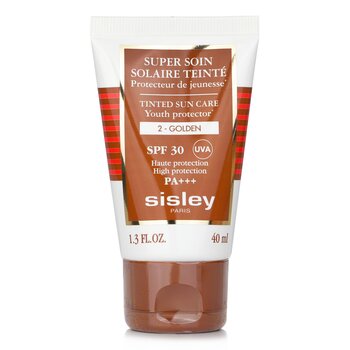


Tinted Sunscreen SPF 30 2-Golden / TITANIUM DIOXIDE, ZINC OXIDE / CREAM
Analysis updated September 2026 · How Scout scores
At a glance
Summary
This tinted sunscreen features mineral UV filters, zinc oxide and titanium dioxide, which are considered safe and effective for broad-spectrum protection. The inclusion of natural ingredients like shea butter and camellia seed oil enhances its moisturizing properties. However, the presence of fragrance components such as linalool and limonene, which can be potential allergens, slightly detracts from its overall safety profile.
Key ingredients 36
Butyrospermum Parkii (Shea) ButterVery Good
Shea Butter is a natural fat extracted from the nuts of the shea tree. It is highly moisturizing and contains vitamins and fatty acids beneficial for the skin. It is safe and widely used in skincare.
Risks
Rarely, it may cause allergic reactions in sensitive individuals.
Benefits
Deeply moisturizes and nourishes the skin, improving elasticity.
Camellia Oleifera Seed OilVery Good
Camellia Oleifera Seed Oil is a natural oil rich in antioxidants and fatty acids. It provides nourishment and hydration to the skin. It is safe and beneficial for most skin types.
Risks
Rarely, it may cause allergic reactions in sensitive individuals.
Benefits
Moisturizes and protects the skin, improving its overall health.
Zinc Oxide (Nano)Good
Zinc Oxide is a mineral sunscreen agent that provides broad-spectrum UV protection. The nano form allows for a more transparent application. It is generally considered safe and effective.
Risks
Nano-sized particles may pose inhalation risks if used in spray form.
Benefits
Provides effective protection against both UVA and UVB rays.
GlycerinGood
Glycerin is a humectant that attracts moisture to the skin. It helps maintain skin hydration and is widely used in skincare products. It is safe and beneficial for most skin types.
Risks
There are no significant risks associated with glycerin.
Benefits
Helps keep the skin moisturized and prevents dryness.
Tocopheryl AcetateGood
Tocopheryl Acetate is a form of Vitamin E, an antioxidant that helps protect the skin from free radical damage. It is widely used in skincare for its protective properties. It is considered safe and beneficial.
Risks
Rarely, it may cause skin irritation in sensitive individuals.
Benefits
Protects the skin from oxidative stress and supports skin health.
Leontopodium Alpinum ExtractGood
Leontopodium Alpinum Extract, also known as Edelweiss extract, is rich in antioxidants. It helps protect the skin from environmental stressors. It is considered safe and beneficial for the skin.
Risks
There are minimal risks associated with its use.
Benefits
Provides antioxidant protection and supports skin resilience.
Mangifera Indica (Mango) Fruit ExtractGood
Mango Fruit Extract is rich in vitamins and antioxidants. It helps nourish and hydrate the skin. It is considered safe and beneficial for most skin types.
Risks
Rarely, it may cause allergic reactions in sensitive individuals.
Benefits
Nourishes the skin and provides antioxidant protection.
Water/Eau (Aqua)Neutral
Water is a common solvent used in cosmetic formulations. It helps dissolve other ingredients and provides a base for the product. It does not have any direct benefits or risks.
Risks
There are no significant risks associated with water in cosmetics.
Benefits
Water helps in the application and spreadability of the product.
Titanium Dioxide (Nano)Neutral
Standard formulation ingredient — neither beneficial nor harmful at typical use.
Risks
Nano particles may pose inhalation risks in aerosol forms.
Benefits
Offers broad-spectrum protection and is photostable.
C9-12 AlkaneNeutral
C9-12 Alkane is used as an emollient and solvent in cosmetics. It helps improve the texture and spreadability of the product. It is generally considered safe for use.
Risks
There are minimal risks associated with its use in topical applications.
Benefits
Enhances the smoothness and application of the product.
Caprylyl MethiconeNeutral
Caprylyl Methicone is a silicone-based ingredient used for its conditioning properties. It provides a silky feel and enhances spreadability. It is considered safe for use in cosmetics.
Risks
Silicones can sometimes cause build-up on the skin.
Benefits
Improves the texture and feel of the product on the skin.
Polyglyceryl-3 DiisostearateNeutral
Polyglyceryl-3 Diisostearate is an emulsifier that helps blend oil and water components. It is commonly used in cosmetics for its stabilizing properties. It is considered safe for use.
Risks
There are minimal risks associated with its use.
Benefits
Improves the stability and consistency of the product.
SilicaNeutral
Silica is used as a thickening agent and absorbent in cosmetics. It helps control oil and provides a matte finish. It is generally considered safe for topical use.
Risks
Inhalation of silica particles can be harmful, but this is not a concern in creams.
Benefits
Helps absorb excess oil and provides a smooth finish.
Polyglyceryl-4 IsostearateNeutral
Polyglyceryl-4 Isostearate is an emulsifier that helps mix oil and water components. It is used to stabilize formulations and is considered safe. It does not have direct skin benefits.
Risks
There are minimal risks associated with its use.
Benefits
Enhances the stability and texture of the product.
Cetyl PEG/PPG-10/1 DimethiconeNeutral
Cetyl PEG/PPG-10/1 Dimethicone is a silicone-based surfactant used for its conditioning properties. It helps improve the spreadability of the product. It is generally considered safe.
Risks
Silicones can sometimes cause build-up on the skin.
Benefits
Provides a smooth application and enhances the feel of the product.
Hexyl LaurateNeutral
Hexyl Laurate is an ester used as an emollient and thickening agent. It helps improve the texture and spreadability of the product. It is considered safe for use in cosmetics.
Risks
There are minimal risks associated with its use.
Benefits
Enhances the smoothness and application of the product.
Sodium ChlorideNeutral
Sodium Chloride, or table salt, is used as a thickening agent in cosmetics. It helps improve the texture and consistency of the product. It is generally considered safe for topical use.
Risks
Excessive use can lead to dryness, but this is unlikely in small amounts.
Benefits
Contributes to the product's texture and stability.
Thymus Mastichina Flower OilNeutral
Thymus Mastichina Flower Oil is used for its aromatic properties. It may have mild antimicrobial effects. It is generally considered safe for use in cosmetics.
Risks
Essential oils can sometimes cause skin irritation or allergic reactions.
Benefits
May provide a pleasant scent and mild antimicrobial benefits.
Salvia Officinalis (Sage) OilNeutral
Sage Oil is used for its aromatic and potential antimicrobial properties. It is commonly used in cosmetics for its fragrance. It is generally considered safe for topical use.
Risks
Essential oils can sometimes cause skin irritation or allergic reactions.
Benefits
May provide a pleasant scent and mild antimicrobial benefits.
Synthetic FluorphlogopiteNeutral
Synthetic Fluorphlogopite is a synthetic mica used to add shimmer and shine to cosmetics. It is considered safe for use in topical applications. It does not have direct skin benefits.
Risks
There are minimal risks associated with its use.
Benefits
Enhances the visual appeal of the product with shimmer.
AluminaNeutral
Alumina is used as an abrasive and thickening agent in cosmetics. It helps improve the texture and stability of the product. It is generally considered safe for topical use.
Risks
There are minimal risks associated with its use.
Benefits
Contributes to the product's texture and stability.
Hydrogenated LecithinNeutral
Hydrogenated Lecithin is used as an emulsifier and skin-conditioning agent. It helps improve the texture and hydration of the product. It is considered safe for use in cosmetics.
Risks
There are minimal risks associated with its use.
Benefits
Enhances the texture and hydration of the product.
Glyceryl CaprylateNeutral
Glyceryl Caprylate is used as an emollient and co-emulsifier in cosmetics. It helps improve the texture and hydration of the product. It is considered safe for use.
Risks
There are minimal risks associated with its use.
Benefits
Enhances the texture and hydration of the product.
EthylhexylglycerinNeutral
Ethylhexylglycerin is used as a skin-conditioning agent and preservative enhancer. It helps improve the texture and efficacy of the product. It is considered safe for use in cosmetics.
Risks
There are minimal risks associated with its use.
Benefits
Enhances the texture and preservation of the product.
TriethoxycaprylylsilaneNeutral
Triethoxycaprylylsilane is used as a surface treatment for pigments and fillers. It helps improve the dispersion and stability of the product. It is considered safe for use in cosmetics.
Risks
There are minimal risks associated with its use.
Benefits
Enhances the dispersion and stability of pigments in the product.
Citric AcidNeutral
Citric Acid is used to adjust the pH of cosmetic formulations. It helps maintain the stability and efficacy of the product. It is generally considered safe for topical use.
Risks
In high concentrations, it can cause skin irritation.
Benefits
Helps maintain the stability and pH balance of the product.
Sodium CitrateNeutral
Sodium Citrate is used as a buffering agent to maintain the pH of cosmetic formulations. It helps improve the stability and efficacy of the product. It is considered safe for use.
Risks
There are minimal risks associated with its use.
Benefits
Helps maintain the stability and pH balance of the product.
Benzoic AcidNeutral
Benzoic Acid is used as a preservative in cosmetics. It helps prevent the growth of microorganisms and extends the shelf-life of the product. It is generally considered safe for use.
Risks
In high concentrations, it can cause skin irritation.
Benefits
Helps preserve the product and prevent microbial growth.
Titanium Dioxide (CI 77891)Neutral
Titanium Dioxide is used as a pigment and UV filter in cosmetics. It helps provide coverage and protection from UV rays. It is generally considered safe for use.
Risks
Inhalation of fine particles can be harmful, but this is not a concern in creams.
Benefits
Provides coverage and UV protection.
Iron Oxides (CI 77491, CI 77492, CI 77499)Neutral
Iron Oxides are used as pigments in cosmetics. They provide color and coverage to the product. They are generally considered safe for use.
Risks
There are minimal risks associated with their use.
Benefits
Provide color and coverage to the product.
DimethiconeBad
Occlusive silicone film-former — flagged under clean-beauty doctrine.
Risks
Silicones can sometimes cause build-up on the skin.
Benefits
Provides a smooth application and enhances the feel of the product.
Disodium EDTABad
Processed additive flagged under Scout's ingredient doctrine.
Risks
There are minimal risks associated with its use.
Benefits
Enhances the stability and shelf-life of the product.
Sodium BenzoateBad
Synthetic preservative that can form benzene in the presence of vitamin C.
Risks
In high concentrations, it can cause skin irritation.
Benefits
Helps preserve the product and prevent microbial growth.
Potassium SorbateBad
Synthetic preservative — flagged in daily-use products.
Risks
In high concentrations, it can cause skin irritation.
Benefits
Helps preserve the product and prevent microbial growth.
LinaloolBad
Linalool is a fragrance component that can cause allergic reactions in sensitive individuals. It is commonly used in cosmetics for its scent. It is considered a potential allergen.
Risks
Can cause skin irritation and allergic reactions.
Benefits
Provides a pleasant fragrance to the product.
LimoneneBad
Limonene is a fragrance component that can oxidize and cause skin irritation. It is commonly used in cosmetics for its citrus scent. It is considered a potential allergen.
Risks
Can cause skin irritation and allergic reactions.
Benefits
Provides a pleasant citrus fragrance to the product.
Get the full breakdown in the Scout appTake Scout shopping
Scan any product to see lab results, healthy alternatives, and your personalized analysis.
Download on theApp Store GET IT ONGoogle Play