
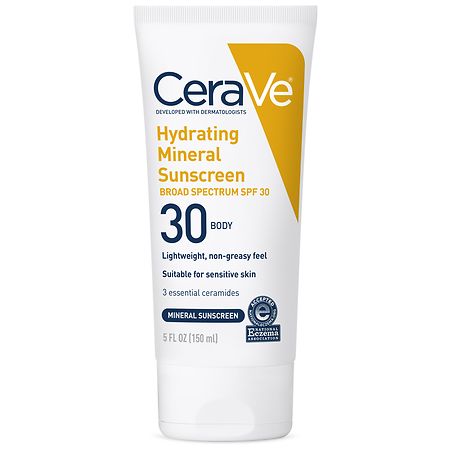

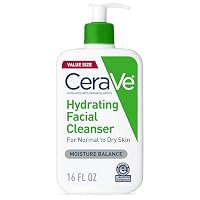


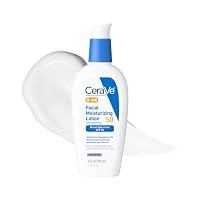

Cerave Developed with Dermatologists Hydrating Sunscreen SPF 30 Body Lightweight, non-greasy feel 3 essential ceramides Mineral Sunscreen / LOTION
Analysis updated August 2026 · How Scout scores
At a glance
Summary
This mineral sunscreen lotion features beneficial ingredients like titanium dioxide and zinc oxide, which provide effective broad-spectrum UV protection. It also includes skin-friendly components such as niacinamide, hyaluronic acid, and ceramides, which support skin hydration and barrier function. The presence of phenoxyethanol as a preservative is a minor concern, but overall, the product maintains a clean label with minimal processing concerns.
Key ingredients 17
Zinc OxideGood
Zinc Oxide is a mineral sunscreen that offers broad-spectrum protection against UVA and UVB rays. It is known for its safety and efficacy in sun protection products. It is also non-comedogenic and suitable for sensitive skin.
Risks
Similar to Titanium Dioxide, inhalation risks are not a concern in lotion form.
Benefits
Offers reliable sun protection and is gentle on the skin.
GlycerinGood
Glycerin is a humectant that attracts moisture to the skin, helping to maintain hydration. It is widely used in skincare for its moisturizing properties. It is non-irritating and suitable for all skin types.
Risks
There are no significant risks associated with glycerin in cosmetic products.
Benefits
Helps keep the skin hydrated and soft.
NiacinamideGood
Niacinamide is a form of Vitamin B3 that offers multiple skin benefits, including improving skin barrier function and reducing inflammation. It is well-tolerated by most skin types and is known for its anti-aging and brightening effects.
Risks
There are minimal risks associated with niacinamide, though some may experience mild irritation.
Benefits
Enhances skin barrier, reduces redness, and improves overall skin appearance.
Hyaluronic AcidGood
Hyaluronic Acid is a powerful humectant that can hold up to 1000 times its weight in water, making it excellent for hydration. It is widely used in skincare for its ability to plump and moisturize the skin. It is suitable for all skin types.
Risks
There are no significant risks associated with hyaluronic acid in cosmetic products.
Benefits
Provides intense hydration and helps maintain skin elasticity.
Ceramide NPGood
Ceramide NP is a lipid that helps restore and maintain the skin's natural barrier. It is beneficial for dry and sensitive skin types. It helps prevent moisture loss and protects against environmental damage.
Risks
There are no significant risks associated with ceramides in cosmetic products.
Benefits
Strengthens the skin barrier and improves hydration.
Ceramide APGood
Ceramide AP is another type of ceramide that supports the skin's barrier function. It helps retain moisture and improve skin texture. It is effective in reducing dryness and irritation.
Risks
There are no significant risks associated with ceramides in cosmetic products.
Benefits
Enhances skin barrier function and reduces dryness.
Ceramide EOPGood
Ceramide EOP is essential for maintaining the skin's lipid barrier and preventing moisture loss. It is beneficial for maintaining skin health and resilience. It is suitable for all skin types, especially dry and sensitive skin.
Risks
There are no significant risks associated with ceramides in cosmetic products.
Benefits
Supports skin barrier integrity and hydration.
Sodium HyaluronateGood
Sodium Hyaluronate is the sodium salt of hyaluronic acid, known for its excellent hydrating properties. It penetrates the skin easily and provides long-lasting moisture. It is suitable for all skin types and helps improve skin texture.
Risks
There are no significant risks associated with sodium hyaluronate in cosmetic products.
Benefits
Provides deep hydration and helps maintain skin elasticity.
WaterNeutral
Water is a common solvent used in cosmetic formulations. It helps dissolve other ingredients and provides a base for the product. It does not have any direct benefits or risks.
Risks
There are no significant risks associated with water in cosmetic products.
Benefits
Water helps in the application and spreadability of the product.
Titanium DioxideNeutral
Standard formulation ingredient — neither beneficial nor harmful at typical use.
Risks
Inhalation of nanoparticles can be a concern, but this is not applicable in lotion form.
Benefits
Provides effective protection against UV radiation, reducing the risk of sunburn and skin damage.
Cetearyl AlcoholNeutral
Cetearyl Alcohol is a fatty alcohol used as an emollient and thickener in cosmetic formulations. It helps improve the texture and stability of the product. It is generally considered safe and non-irritating.
Risks
There are no significant risks associated with cetearyl alcohol in cosmetic products.
Benefits
Improves product texture and provides a smooth application.
CholesterolNeutral
Cholesterol is a lipid that works with ceramides to strengthen the skin barrier. It helps improve skin texture and hydration. It is generally considered safe and beneficial for skin health.
Risks
There are no significant risks associated with cholesterol in cosmetic products.
Benefits
Supports skin barrier and enhances moisture retention.
Caprylyl GlycolNeutral
Caprylyl Glycol is a skin-conditioning agent with antimicrobial properties. It helps improve the shelf life of cosmetic products. It is generally considered safe and non-irritating.
Risks
There are no significant risks associated with caprylyl glycol in cosmetic products.
Benefits
Enhances product stability and provides moisturizing benefits.
EthylhexylglycerinNeutral
Ethylhexylglycerin is used as a preservative and skin-conditioning agent. It enhances the efficacy of other preservatives and provides moisturizing benefits. It is considered safe for use in cosmetics.
Risks
There are no significant risks associated with ethylhexylglycerin in cosmetic products.
Benefits
Improves product preservation and provides skin conditioning.
DimethiconeBad
Occlusive silicone film-former — flagged under clean-beauty doctrine.
Risks
Some may experience mild irritation or breakouts, though it is generally considered safe.
Benefits
Provides a smooth application and helps lock in moisture.
PhenoxyethanolBad
Phenoxyethanol is a preservative used to prevent microbial growth in cosmetic products. It is effective but can cause irritation in some individuals. It is considered a potential allergen and should be used in low concentrations.
Risks
May cause skin irritation or allergic reactions in sensitive individuals.
Benefits
Helps maintain product integrity by preventing microbial contamination.
Disodium EDTABad
Processed additive flagged under Scout's ingredient doctrine.
Risks
There are no significant risks associated with disodium EDTA in cosmetic products.
Benefits
Improves product stability and enhances preservative effectiveness.
Processing
Processed Foods
Get the full breakdown in the Scout appTake Scout shopping
Scan any product to see lab results, healthy alternatives, and your personalized analysis.
Download on theApp Store GET IT ONGoogle PlayAmazon pricing & content
Amazon price as of . Product prices and availability are accurate as of the date/time indicated and are subject to change. Any price and availability information displayed on Amazon.com at the time of purchase will apply to the purchase of this product.
CERTAIN CONTENT THAT APPEARS ON THIS SITE COMES FROM AMAZON. THIS CONTENT IS PROVIDED “AS IS” AND IS SUBJECT TO CHANGE OR REMOVAL AT ANY TIME.