
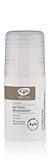
Green People - Neutral Scent Free Deodorant | 75ml
Analysis updated August 2026 · How Scout scores
At a glance
Summary
This deodorant features a clean ingredient list with beneficial natural oils like olive and sunflower seed oil, as well as shea butter and aloe vera, which are known for their moisturizing and soothing properties. The absence of synthetic fragrances and harmful chemicals contributes to its safety and effectiveness. The product's minimal processing and use of natural ingredients support a high rating.
Key ingredients 26
Olea Europaea (Olive) Fruit OilVery Good
Olive oil is a natural oil rich in antioxidants and healthy fats. It is known for its moisturizing and nourishing properties for the skin. It is highly regarded for its ability to improve skin elasticity and hydration.
Risks
There is a minimal risk of allergic reactions in sensitive individuals.
Benefits
Olive oil provides deep hydration and helps to maintain the skin's natural barrier.
Helianthus Annuus (Sunflower) Seed OilVery Good
Sunflower seed oil is a non-comedogenic oil rich in vitamins A, D, and E. It is known for its emollient properties and ability to soothe and moisturize the skin. It is often used in skincare for its lightweight texture and skin barrier support.
Risks
Rarely, it may cause allergic reactions in some individuals.
Benefits
Sunflower seed oil helps to maintain skin hydration and provides antioxidant protection.
Butyrospermum Parkii (Shea) ButterVery Good
Shea butter is a natural fat extracted from the nuts of the shea tree. It is renowned for its moisturizing and anti-inflammatory properties. It is widely used in skincare for its ability to nourish and protect the skin.
Risks
There is a low risk of allergic reactions, particularly in individuals with nut allergies.
Benefits
Shea butter deeply moisturizes the skin and helps to improve skin elasticity.
Aloe Barbadensis (Aloe Vera) Leaf Juice PowderVery Good
Aloe Vera is known for its soothing and hydrating properties. It is used in skincare for its ability to calm irritated skin and provide moisture. It is highly regarded for its healing and anti-inflammatory effects.
Risks
Rarely, aloe vera can cause allergic reactions in sensitive individuals.
Benefits
Aloe Vera helps to soothe and hydrate the skin, reducing redness and irritation.
Rosmarinus Officinalis (Rosemary) Leaf ExtractGood
Rosemary extract is an antioxidant-rich ingredient used for its preservative and skin-soothing properties. It helps to protect the skin from environmental damage. It is valued for its ability to enhance circulation and promote skin health.
Risks
In rare cases, it may cause skin irritation or allergic reactions.
Benefits
Rosemary extract provides antioxidant protection and helps to maintain skin health.
GlycerinGood
Glycerin is a humectant that attracts moisture to the skin. It is widely used in skincare for its hydrating properties. It is considered safe and effective for maintaining skin moisture balance.
Risks
There are no significant risks associated with glycerin.
Benefits
Glycerin helps to keep the skin hydrated and soft.
AquaNeutral
Aqua, or water, is a common solvent used in cosmetic formulations. It helps dissolve other ingredients and provides a base for the product. It is generally considered safe and non-reactive.
Risks
There are no significant risks associated with water in cosmetic products.
Benefits
Water helps to hydrate the skin and acts as a carrier for other beneficial ingredients.
Potassium AlumNeutral
Potassium Alum is a naturally occurring mineral used as an astringent and deodorant. It helps to reduce sweat and odor by constricting the pores. It is generally considered safe for topical use.
Risks
Some individuals may experience skin irritation or sensitivity to alum.
Benefits
Potassium Alum is effective in controlling body odor and reducing perspiration.
Cetearyl AlcoholNeutral
Cetearyl Alcohol is a fatty alcohol used as an emollient and thickening agent in cosmetics. It helps to stabilize formulations and improve texture. It is considered safe and non-irritating for most skin types.
Risks
In rare cases, it may cause mild irritation in sensitive skin.
Benefits
Cetearyl Alcohol helps to soften and smooth the skin, enhancing the product's feel.
Zinc RicinoleateNeutral
Zinc Ricinoleate is used in deodorants for its odor-absorbing properties. It works by trapping and neutralizing odor molecules. It is generally considered safe for use in personal care products.
Risks
There are no significant risks associated with Zinc Ricinoleate.
Benefits
Zinc Ricinoleate effectively reduces body odor without blocking sweat glands.
Alpha-Glucan OligosaccharideNeutral
Alpha-Glucan Oligosaccharide is a prebiotic ingredient that supports the skin's natural microbiome. It helps to maintain a healthy balance of skin flora. It is considered safe and beneficial for skin health.
Risks
There are no significant risks associated with this ingredient.
Benefits
It promotes a healthy skin microbiome, which can enhance skin resilience and health.
Cetearyl GlucosideNeutral
Cetearyl Glucoside is an emulsifier used to blend oil and water in formulations. It helps to stabilize products and improve texture. It is considered safe and non-irritating for most skin types.
Risks
There are no significant risks associated with Cetearyl Glucoside.
Benefits
It helps to create a smooth and stable product texture.
Levulinic AcidNeutral
Levulinic Acid is used as a preservative and pH adjuster in cosmetics. It helps to maintain product stability and prevent microbial growth. It is generally considered safe for use in personal care products.
Risks
There are no significant risks associated with Levulinic Acid.
Benefits
It helps to preserve the product and maintain its effectiveness.
Cetearyl OlivateNeutral
Cetearyl Olivate is an emulsifier derived from olive oil. It helps to blend ingredients and improve product texture. It is considered safe and beneficial for skin hydration.
Risks
There are no significant risks associated with Cetearyl Olivate.
Benefits
It enhances the texture and moisturizing properties of the product.
Sorbitan OlivateNeutral
Sorbitan Olivate is an emulsifier derived from olive oil and sorbitol. It helps to stabilize formulations and improve skin feel. It is considered safe and non-irritating for most skin types.
Risks
There are no significant risks associated with Sorbitan Olivate.
Benefits
It helps to create a smooth and stable product texture.
Potassium Cetyl PhosphateNeutral
Potassium Cetyl Phosphate is an emulsifier and surfactant used in cosmetics. It helps to stabilize formulations and improve texture. It is generally considered safe for use in personal care products.
Risks
There are no significant risks associated with Potassium Cetyl Phosphate.
Benefits
It helps to create a stable and smooth product texture.
Sclerotium GumNeutral
Sclerotium Gum is a natural thickening agent derived from fermentation. It helps to stabilize and thicken formulations. It is considered safe and non-irritating for most skin types.
Risks
There are no significant risks associated with Sclerotium Gum.
Benefits
It helps to improve the texture and stability of the product.
Xanthan GumNeutral
Xanthan Gum is a natural thickener and stabilizer used in cosmetics. It helps to improve product texture and consistency. It is considered safe and non-irritating for most skin types.
Risks
There are no significant risks associated with Xanthan Gum.
Benefits
It helps to create a smooth and stable product texture.
Sodium Stearoyl GlutamateNeutral
Sodium Stearoyl Glutamate is an emulsifier used to blend oil and water in formulations. It helps to stabilize products and improve texture. It is considered safe and non-irritating for most skin types.
Risks
There are no significant risks associated with Sodium Stearoyl Glutamate.
Benefits
It helps to create a smooth and stable product texture.
Sodium Lauryl Glucose CarboxylateNeutral
Sodium Lauryl Glucose Carboxylate is a mild surfactant used in cosmetics. It helps to cleanse and emulsify formulations. It is considered safe and non-irritating for most skin types.
Risks
There are no significant risks associated with Sodium Lauryl Glucose Carboxylate.
Benefits
It provides gentle cleansing and emulsification properties.
Lauryl GlucosideNeutral
Lauryl Glucoside is a mild surfactant derived from glucose and coconut oil. It is used for its cleansing and foaming properties. It is considered safe and non-irritating for most skin types.
Risks
There are no significant risks associated with Lauryl Glucoside.
Benefits
It provides gentle cleansing without stripping the skin's natural oils.
Citric AcidNeutral
Citric Acid is used as a pH adjuster and preservative in cosmetics. It helps to maintain product stability and prevent microbial growth. It is generally considered safe for use in personal care products.
Risks
In high concentrations, it may cause skin irritation.
Benefits
It helps to preserve the product and maintain its effectiveness.
Sodium CitrateNeutral
Sodium Citrate is used as a buffering agent in cosmetics. It helps to maintain the pH balance of formulations. It is considered safe and non-irritating for most skin types.
Risks
There are no significant risks associated with Sodium Citrate.
Benefits
It helps to stabilize the product and maintain its pH balance.
Sorbic AcidBad
Processed additive flagged under Scout's ingredient doctrine.
Risks
In rare cases, it may cause skin irritation or allergic reactions.
Benefits
It helps to preserve the product and maintain its effectiveness.
Sodium BenzoateBad
Synthetic preservative that can form benzene in the presence of vitamin C.
Risks
In rare cases, it may cause skin irritation or allergic reactions.
Benefits
It helps to preserve the product and maintain its effectiveness.
Potassium SorbateBad
Synthetic preservative — flagged in daily-use products.
Risks
In rare cases, it may cause skin irritation or allergic reactions.
Benefits
It helps to preserve the product and maintain its effectiveness.
Get the full breakdown in the Scout appTake Scout shopping
Scan any product to see lab results, healthy alternatives, and your personalized analysis.
Download on theApp Store GET IT ONGoogle Play