
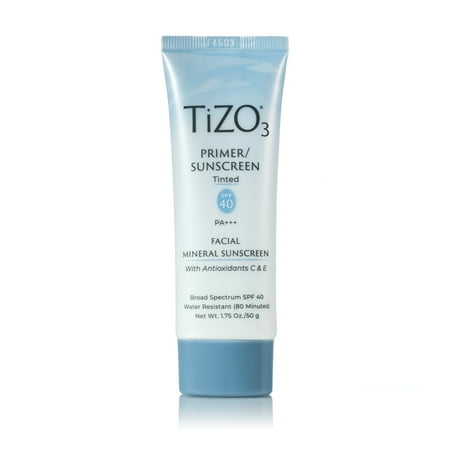
TIZO3 Facial Primer Tinted

71 Good
$47.00 · 1.75 oz
View on Amazon
Verified Amazon match

Summary

This facial primer contains safe mineral-based ingredients like titanium dioxide and zinc oxide, which are beneficial for skin protection. However, it also includes several synthetic silicones and polymers, which are common in cosmetics but contribute to a higher level of processing. The absence of harsh chemicals or known endocrine disruptors is a positive aspect, but the presence of synthetic compounds prevents a higher score.

At a glance

Beneficial ingredients 0
Harmful ingredients 0
Category Face Wash

Key ingredients 15

Titanium Dioxide

Titanium Dioxide is a mineral sunscreen agent that provides broad-spectrum UV protection. It is often used in cosmetics for its ability to reflect and scatter UV rays. It is considered safe and effective for sun protection.

Risks

Inhalation of nanoparticles can be a concern, but this is typically not an issue in cream or lotion formulations.

Benefits

Provides effective protection against UV radiation, reducing the risk of sunburn and skin damage.

See more about Titanium Dioxide →
Zinc Oxide

Zinc Oxide is a mineral sunscreen that offers broad-spectrum protection against UVA and UVB rays. It is commonly used in skincare products for its soothing and anti-inflammatory properties. It is considered safe and effective for sun protection.

Risks

Similar to Titanium Dioxide, inhalation of nanoparticles can be a concern, but this is not typically an issue in cream or lotion formulations.

Benefits

Provides excellent sun protection and is gentle on sensitive skin, making it suitable for all skin types.

See more about Zinc Oxide →
Tetrahexyldecyl Ascorbate

Tetrahexyldecyl Ascorbate is a stable, oil-soluble form of Vitamin C. It is used in skincare for its antioxidant properties and ability to brighten the skin. It penetrates the skin effectively, providing long-lasting benefits.

Risks

There are minimal risks associated with this ingredient, though it may cause irritation in very sensitive skin.

Benefits

Helps to reduce signs of aging, improve skin tone, and protect against environmental damage.

Tocopheryl Acetate

Tocopheryl Acetate is a form of Vitamin E, a powerful antioxidant. It is used in cosmetics for its moisturizing and skin-conditioning properties. It helps to protect the skin from free radical damage.

Risks

Generally considered safe, but in rare cases, it can cause skin irritation or allergic reactions.

Benefits

Supports skin health by providing moisture and protection against oxidative stress.

See more about Tocopheryl Acetate →
Dimethicone

Dimethicone is a silicone-based polymer used for its smoothing and conditioning properties. It forms a barrier on the skin, helping to retain moisture. It is widely used in cosmetics for its ability to improve texture and spreadability.

Risks

While generally safe, it can potentially cause breakouts in acne-prone skin due to its occlusive nature.

Benefits

Improves the feel and appearance of the skin, providing a silky, smooth finish.

See more about Dimethicone →
Dimethicone Crosspolymer

Dimethicone Crosspolymer is a silicone derivative used to enhance the texture and spreadability of products. It provides a matte finish and helps to fill in fine lines and pores. It is commonly used in primers for its ability to create a smooth base.

Risks

Similar to Dimethicone, it may cause breakouts in some individuals with sensitive or acne-prone skin.

Benefits

Creates a smooth, even surface on the skin, improving the application and longevity of makeup.

Dimethicone/Vinyl Dimethicone Crosspolymer

This ingredient is a silicone-based polymer that provides a silky texture and enhances the spreadability of products. It is used to improve the feel and application of cosmetics. It helps to create a smooth, matte finish on the skin.

Risks

May cause skin irritation or breakouts in sensitive individuals due to its occlusive nature.

Benefits

Improves the texture and appearance of the skin, making it ideal for use in primers and foundations.

Dimethiconol

Dimethiconol is a silicone-based polymer used for its conditioning and smoothing properties. It forms a protective barrier on the skin, helping to lock in moisture. It is often used in hair and skin products for its ability to improve texture.

Risks

Can potentially cause breakouts in acne-prone skin due to its occlusive nature.

Benefits

Provides a smooth, silky feel to the skin and hair, enhancing the overall sensory experience.

See more about Dimethiconol →
Iron Oxide

Iron Oxide is a pigment used to provide color in cosmetics. It is stable and non-toxic, making it a popular choice for makeup products. It is available in various shades to match different skin tones.

Risks

Generally considered safe, but may cause irritation in very sensitive skin.

Benefits

Provides natural-looking color and coverage in makeup products.

Lauryl PEG/PPG-18/18 Methicone

This ingredient is a silicone-based surfactant used to improve the spreadability and texture of products. It helps to create a smooth, even application. It is often used in cosmetics for its ability to enhance the sensory experience.

Risks

May cause irritation or allergic reactions in sensitive individuals.

Benefits

Improves the texture and application of products, providing a smooth, even finish.

Hydrogen Dimethicone

Hydrogen Dimethicone is a silicone-based polymer used for its conditioning and smoothing properties. It helps to improve the texture and feel of products. It is often used in cosmetics for its ability to create a silky, smooth finish.

Risks

Can potentially cause breakouts in acne-prone skin due to its occlusive nature.

Benefits

Provides a smooth, silky feel to the skin, enhancing the overall sensory experience.

PEG-10 Dimethicone

PEG-10 Dimethicone is a silicone-based surfactant used to improve the spreadability and texture of products. It helps to create a smooth, even application. It is often used in cosmetics for its ability to enhance the sensory experience.

Risks

May cause irritation or allergic reactions in sensitive individuals.

Benefits

Improves the texture and application of products, providing a smooth, even finish.

Cyclohexasiloxane

Cyclohexasiloxane is a volatile silicone used to improve the spreadability and texture of products. It evaporates quickly, leaving a smooth, silky finish on the skin. It is commonly used in cosmetics for its lightweight feel.

Risks

There are minimal risks associated with this ingredient, though it may cause irritation in very sensitive skin.

Benefits

Provides a lightweight, silky feel to the skin, enhancing the overall sensory experience.

Cyclopentasiloxane

Cyclopentasiloxane is a volatile silicone used to improve the spreadability and texture of products. It evaporates quickly, leaving a smooth, silky finish on the skin. It is commonly used in cosmetics for its lightweight feel.

Risks

There are minimal risks associated with this ingredient, though it may cause irritation in very sensitive skin.

Benefits

Provides a lightweight, silky feel to the skin, enhancing the overall sensory experience.

See more about Cyclopentasiloxane →
Alumina

Alumina is used as an abrasive, thickener, and absorbent in cosmetics. It helps to improve the texture and stability of products. It is considered safe for use in cosmetics.

Risks

Generally considered safe, but may cause irritation in very sensitive skin.

Benefits

Improves the texture and stability of products, enhancing the overall sensory experience.

Processing

Group 3 · Processed

Processed Foods

Get the full breakdown in the Scout app

Scan any product to see lab results, healthy alternatives, and your personalized analysis.

Download on theApp Store