
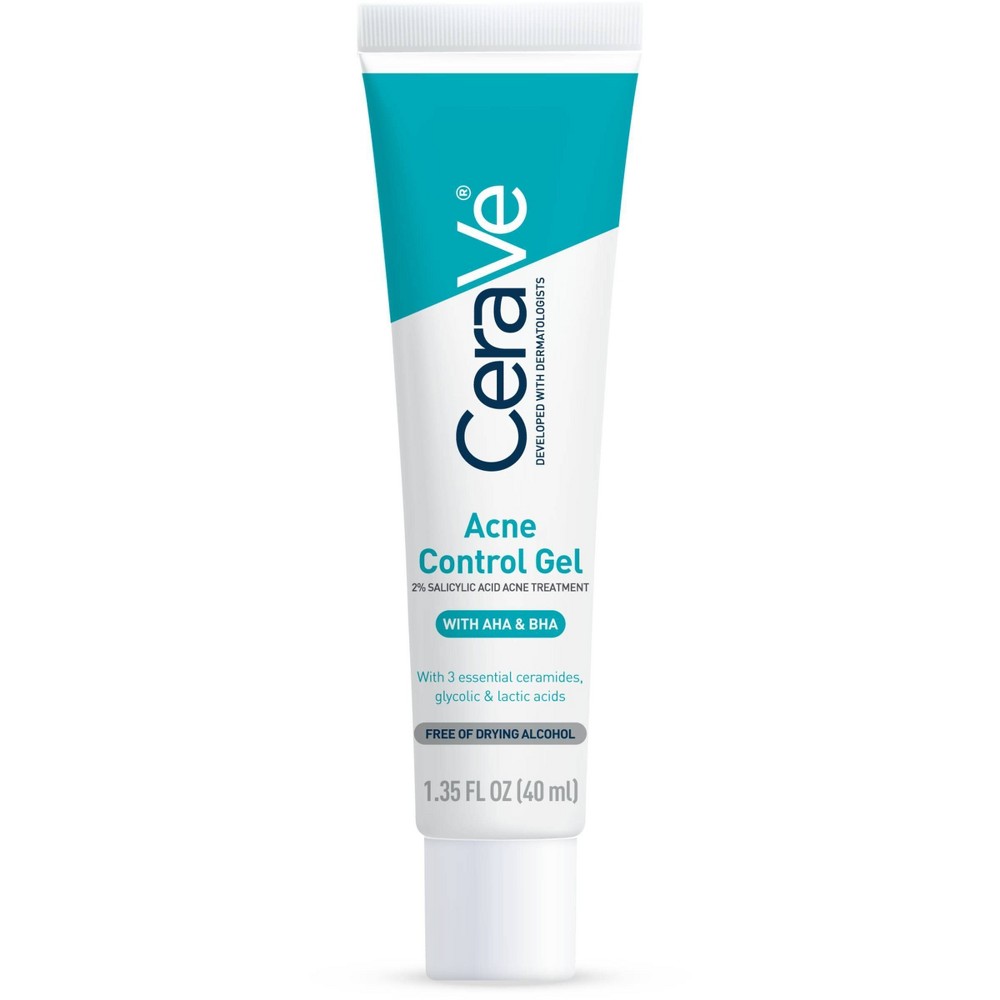

CeraVe Salicylic Acid Acne Treatment Control Gel - 1.35 fl oz: Exfoliating, Face, Liquid, Acne-Prone
Summary
This acne treatment gel contains salicylic acid, which is effective for exfoliating and treating acne-prone skin. However, the presence of synthetic ingredients and potential skin irritants slightly lowers its score. The product is moderately processed, which impacts its overall rating, but it does not contain any highly concerning chemicals like parabens or formaldehyde releasers.
At a glance
Key ingredients 11
Water
Water is a universal solvent used to dissolve other ingredients. It helps in the application and absorption of the product. It is generally considered safe and non-irritating.
Risks
There are no significant risks associated with water in cosmetics.
Benefits
Water hydrates the skin and helps in the even distribution of other ingredients.
Sodium Lauroyl Sarcosinate
Sodium Lauroyl Sarcosinate is a mild surfactant used to cleanse the skin. It is less irritating compared to harsher surfactants like SLS. It is generally considered safe for sensitive skin.
Risks
In rare cases, it may cause mild irritation in very sensitive individuals.
Benefits
It effectively cleanses the skin without stripping natural oils.
Cocamidopropyl Hydroxysultaine
Cocamidopropyl Hydroxysultaine is a surfactant and foam booster derived from coconut oil. It is used to improve the texture and feel of the product. It is considered mild and suitable for sensitive skin.
Risks
May cause mild irritation in some individuals with very sensitive skin.
Benefits
Provides gentle cleansing and enhances the product's foaming properties.
Glycerin
Glycerin is a humectant that attracts moisture to the skin. It helps to keep the skin hydrated and soft. It is widely used in skincare for its moisturizing properties.
Risks
Generally considered safe with no significant risks.
Benefits
Improves skin hydration and barrier function.
Niacinamide
Niacinamide is a form of Vitamin B3 that offers multiple skin benefits. It helps to improve skin texture, reduce inflammation, and even out skin tone. It is well-tolerated by most skin types.
Risks
Rarely, it may cause mild irritation or redness.
Benefits
Reduces the appearance of pores and improves skin elasticity.
Gluconolactone
Gluconolactone is a polyhydroxy acid (PHA) that provides gentle exfoliation. It is less irritating than other acids like AHAs and BHAs. It also has antioxidant properties.
Risks
May cause mild irritation in very sensitive skin.
Benefits
Exfoliates the skin gently and provides antioxidant protection.
Sodium Methyl Cocoyl Taurate
Sodium Methyl Cocoyl Taurate is a mild surfactant derived from coconut oil. It is used to cleanse the skin without causing irritation. It is suitable for sensitive skin.
Risks
Generally considered safe with minimal risk of irritation.
Benefits
Provides gentle cleansing and maintains skin's natural moisture.
Salicylic Acid
Salicylic Acid is a beta hydroxy acid (BHA) that exfoliates the skin and unclogs pores. It is effective in treating acne and reducing inflammation. It is widely used in acne treatment products.
Risks
May cause dryness or irritation if used excessively.
Benefits
Helps to clear acne and prevent future breakouts.
Glycolic Acid
Glycolic Acid is an alpha hydroxy acid (AHA) that exfoliates the skin and improves texture. It helps to reduce the appearance of fine lines and hyperpigmentation. It is effective in promoting cell turnover.
Risks
May cause irritation or sensitivity, especially in high concentrations.
Benefits
Improves skin texture and promotes a more even skin tone.
Lactic Acid
Lactic Acid is an alpha hydroxy acid (AHA) that gently exfoliates the skin. It helps to improve skin texture and hydration. It is suitable for sensitive skin due to its mild nature.
Risks
May cause mild irritation in sensitive skin.
Benefits
Enhances skin hydration and smoothness.
Ceramides
Ceramides are lipids that help to restore and maintain the skin's natural barrier. They prevent moisture loss and protect against environmental damage. They are essential for healthy skin function.
Risks
Generally considered safe with no significant risks.
Benefits
Strengthens the skin barrier and improves hydration.
Processing
Processed Foods
Get the full breakdown in the Scout app
Scan any product to see lab results, healthy alternatives, and your personalized analysis.
Download on theApp Store