
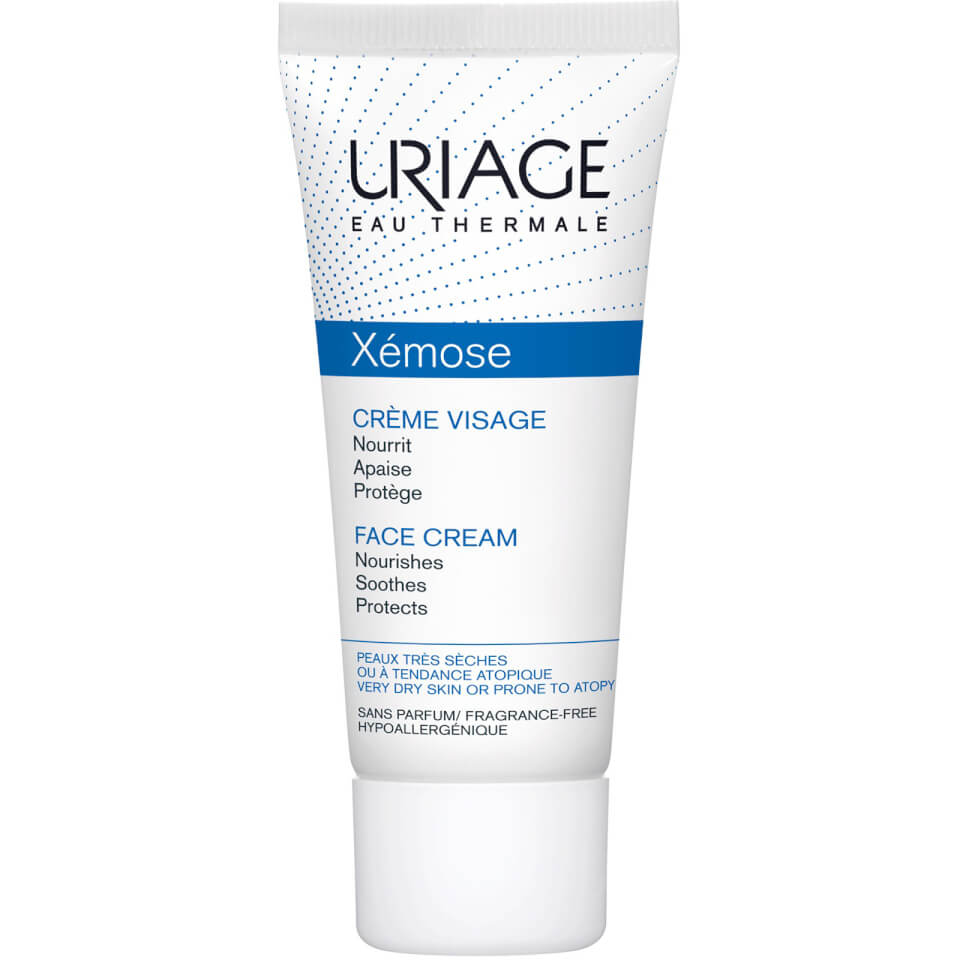


Uriage Xemose, Face Cream, Fragrance-Free, 1.35 fl oz (40 ml)
Analysis updated September 2026 · How Scout scores
At a glance
Summary
This face cream contains beneficial ingredients like shea butter, glycerin, and sodium hyaluronate, which provide excellent moisturizing and hydrating properties. However, the presence of chlorphenesin, a preservative that can cause irritation, and acrylates, which are synthetic polymers, slightly detract from its overall safety profile. The product is mostly safe with some synthetic components, leading to a moderate processing level.
Key ingredients 8
Butyrospermum Parkii ButterVery Good
Butyrospermum Parkii Butter, also known as Shea Butter, is a natural fat extracted from the nuts of the shea tree. It is rich in vitamins and fatty acids, making it an excellent moisturizer. It is highly beneficial for dry and sensitive skin.
Risks
There are minimal risks, though individuals with nut allergies should perform a patch test.
Benefits
Shea Butter is known for its anti-inflammatory and healing properties, making it beneficial for soothing irritated skin.
GlycerinGood
Glycerin is a humectant that attracts moisture to the skin, helping to keep it hydrated. It is a common ingredient in skincare products due to its moisturizing properties. It is safe and effective for all skin types.
Risks
There are no significant risks associated with glycerin.
Benefits
Glycerin helps in maintaining the skin's moisture balance, preventing dryness and flakiness.
Sodium HyaluronateGood
Sodium Hyaluronate is the sodium salt of hyaluronic acid, known for its ability to retain moisture. It penetrates the skin easily and provides intense hydration. It is beneficial for all skin types, especially dry and aging skin.
Risks
There are no known risks associated with Sodium Hyaluronate.
Benefits
It helps in reducing the appearance of fine lines and wrinkles by plumping the skin with moisture.
Tocopheryl AcetateGood
Tocopheryl Acetate is a form of Vitamin E, a powerful antioxidant that helps protect the skin from damage caused by free radicals. It is commonly used in skincare for its moisturizing and healing properties. It is generally safe for use in cosmetics.
Risks
There are minimal risks, though it may cause irritation in very sensitive skin.
Benefits
Vitamin E helps in nourishing and protecting the skin, promoting a healthy and youthful appearance.
Ceramide NPGood
Ceramide NP is a type of lipid that helps restore the skin's barrier function. It is essential for maintaining skin hydration and preventing moisture loss. It is beneficial for dry and sensitive skin types.
Risks
There are no significant risks associated with Ceramide NP.
Benefits
Ceramide NP helps in strengthening the skin's natural barrier, improving its resilience and hydration.
WaterNeutral
Water is a common solvent used in cosmetics to dissolve other ingredients. It helps in the application and absorption of the product. It does not have any direct benefits or risks.
Risks
There are no known risks associated with water in cosmetics.
Benefits
Water helps in hydrating the skin by acting as a vehicle for other moisturizing ingredients.
Dicaprylyl EtherNeutral
Dicaprylyl Ether is used as an emollient and skin-conditioning agent. It provides a smooth application and helps in spreading the product evenly. It is generally considered safe for use in cosmetics.
Risks
There are minimal risks associated with Dicaprylyl Ether, though it may cause irritation in very sensitive skin.
Benefits
It helps in improving the texture of the skin by providing a soft and smooth feel.
ChlorphenesinBad
Chlorphenesin is a preservative used to prevent the growth of bacteria and fungi in cosmetics. While effective, it can cause irritation and allergic reactions in some individuals. It is considered a moderate risk ingredient.
Risks
Potential risks include skin irritation and allergic reactions, particularly in sensitive individuals.
Benefits
It helps in extending the shelf life of the product by preventing microbial contamination.
Get the full breakdown in the Scout appTake Scout shopping
Scan any product to see lab results, healthy alternatives, and your personalized analysis.
Download on theApp Store GET IT ONGoogle Play