
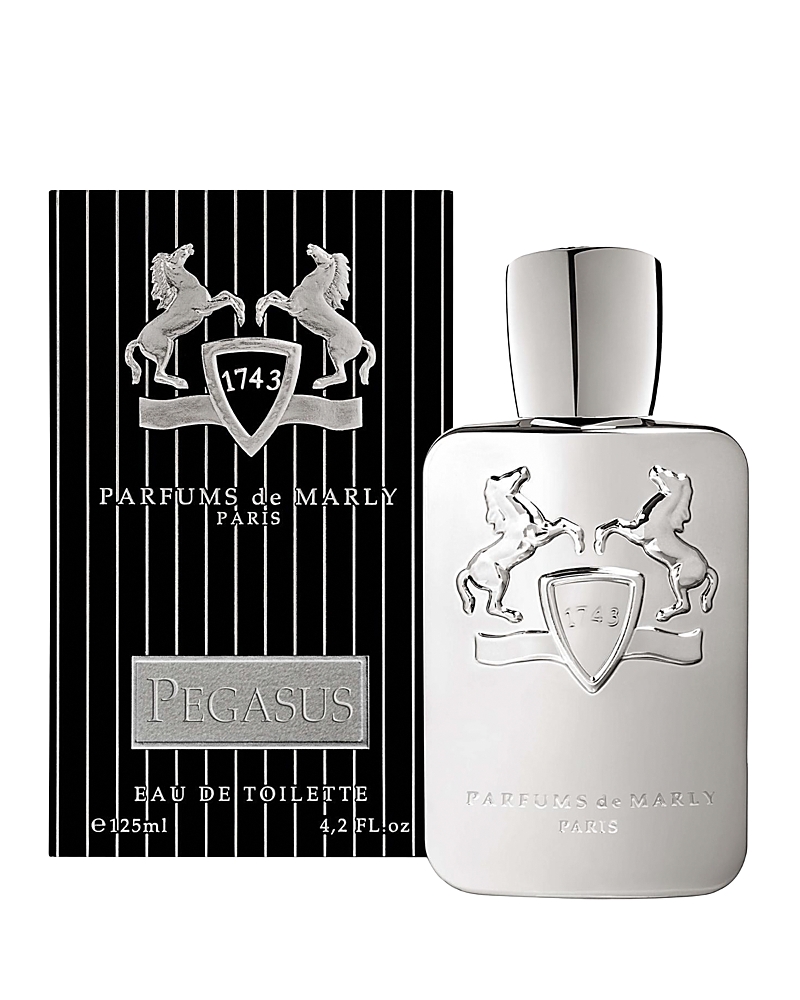
Parfums de Marly Pegasus Eau de Parfum 4.2 oz.
Summary
This perfume features a blend of natural ingredients such as bergamot, jasmine, and sandalwood, which are generally considered safe and minimally processed. The absence of synthetic chemicals and harmful additives contributes to its high rating, reflecting a clean and natural formulation.
At a glance
Key ingredients 16
Bergamot
Bergamot is a citrus fruit known for its aromatic properties. It is often used in perfumes for its fresh and uplifting scent. However, it can cause photosensitivity when applied to the skin.
Risks
Potential to cause skin irritation and photosensitivity.
Benefits
Provides a refreshing and uplifting fragrance.
Heliotrope
Heliotrope is a plant known for its sweet, vanilla-like scent. It is commonly used in perfumery to add a powdery floral note. There are no significant health risks associated with its use in perfumes.
Risks
Generally considered safe with minimal risk.
Benefits
Adds a sweet, floral fragrance to the product.
Cumin
Cumin is a spice with a warm, earthy aroma. It is used in perfumes to add a spicy, exotic note. There are no significant health risks associated with its use in perfumes.
Risks
Generally considered safe with minimal risk.
Benefits
Contributes a warm, spicy scent to the fragrance.
Jasmine
Jasmine is a fragrant flower used in perfumery for its rich, sweet aroma. It is valued for its calming and aphrodisiac properties. There are no significant health risks associated with its use in perfumes.
Risks
Generally considered safe with minimal risk.
Benefits
Provides a rich, sweet floral scent.
Bitter Almond
Bitter almond is used in perfumery for its strong, nutty aroma. It contains benzaldehyde, which gives it a characteristic almond scent. There are no significant health risks associated with its use in perfumes.
Risks
Generally considered safe with minimal risk.
Benefits
Adds a strong, nutty fragrance to the product.
Lavender
Lavender is a herb known for its calming and soothing properties. It is widely used in perfumes for its fresh, floral scent. There are no significant health risks associated with its use in perfumes.
Risks
Generally considered safe with minimal risk.
Benefits
Provides a calming and soothing fragrance.
Amber
Amber is a resinous substance used in perfumery for its warm, musky scent. It is often used to add depth and richness to fragrances. There are no significant health risks associated with its use in perfumes.
Risks
Generally considered safe with minimal risk.
Benefits
Adds warmth and depth to the fragrance.
Vanilla
Vanilla is a popular fragrance ingredient known for its sweet, comforting aroma. It is often used in perfumes to add a creamy, sweet note. There are no significant health risks associated with its use in perfumes.
Risks
Generally considered safe with minimal risk.
Benefits
Provides a sweet, comforting scent.
Sandalwood
Sandalwood is a fragrant wood known for its warm, woody aroma. It is used in perfumery to add a creamy, woody base note. There are no significant health risks associated with its use in perfumes.
Risks
Generally considered safe with minimal risk.
Benefits
Adds a warm, woody base to the fragrance.
Pink Pepper
Pink pepper is used in perfumery for its spicy, fruity aroma. It adds a fresh, vibrant note to fragrances. There are no significant health risks associated with its use in perfumes.
Risks
Generally considered safe with minimal risk.
Benefits
Contributes a fresh, spicy scent to the fragrance.
Cardamom
Cardamom is a spice with a warm, spicy aroma. It is used in perfumery to add a spicy, exotic note. There are no significant health risks associated with its use in perfumes.
Risks
Generally considered safe with minimal risk.
Benefits
Adds a warm, spicy scent to the fragrance.
Geranium
Geranium is a fragrant flower used in perfumery for its fresh, floral scent. It is often used to add a rosy note to fragrances. There are no significant health risks associated with its use in perfumes.
Risks
Generally considered safe with minimal risk.
Benefits
Provides a fresh, floral scent.
Natural Oud
Natural oud is a rare and expensive fragrance ingredient known for its rich, woody aroma. It is used in perfumery to add depth and complexity. There are no significant health risks associated with its use in perfumes.
Risks
Generally considered safe with minimal risk.
Benefits
Adds depth and complexity to the fragrance.
Gaiac Wood
Gaiac wood is a fragrant wood used in perfumery for its smoky, woody aroma. It is often used to add a warm, woody base note. There are no significant health risks associated with its use in perfumes.
Risks
Generally considered safe with minimal risk.
Benefits
Adds a smoky, woody base to the fragrance.
Musk
Musk is a fragrance ingredient known for its warm, animalic scent. It is used in perfumery to add depth and sensuality. There are no significant health risks associated with its use in perfumes.
Risks
Generally considered safe with minimal risk.
Benefits
Adds depth and sensuality to the fragrance.
Cedar
Cedar is a fragrant wood used in perfumery for its fresh, woody aroma. It is often used to add a clean, woody base note. There are no significant health risks associated with its use in perfumes.
Risks
Generally considered safe with minimal risk.
Benefits
Provides a fresh, woody base to the fragrance.
Processing
Unprocessed or Minimally Processed Foods
Get the full breakdown in the Scout app
Scan any product to see lab results, healthy alternatives, and your personalized analysis.
Download on theApp Store