

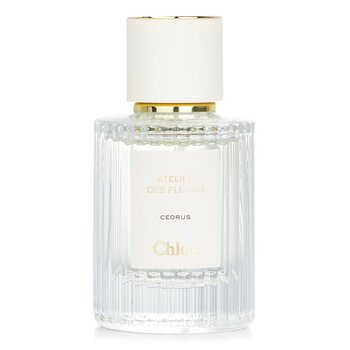


Parfums de Marly Delina Eau de Parfum at Nordstrom, Size 2.5 Oz
Summary
This product contains 'parfum', a fragrance ingredient that often includes undisclosed chemicals, raising concerns about potential skin irritants and allergic reactions. The lack of transparency in its composition is a significant factor in its processing level, which affects the overall safety and quality of the product. While it does not contain multiple harmful substances, the presence of 'parfum' limits its score due to potential health risks associated with synthetic fragrances.
At a glance
Key ingredients 16
Alcohol Denat.Neutral
Alcohol Denat. is commonly used in perfumes as a solvent to help dissolve other ingredients and enhance fragrance dispersion. It evaporates quickly, leaving the scent on the skin. However, it can be drying to the skin if used in high concentrations.
Risks
Potential to cause skin dryness or irritation, especially for sensitive skin types.
Benefits
Helps in the quick evaporation of the product, leaving the fragrance on the skin.
ParfumBad
Parfum, or fragrance, is a complex mixture of aromatic compounds used to impart scent. It is often criticized for containing undisclosed chemicals that can cause allergic reactions. The lack of transparency in its composition raises concerns about potential skin irritants.
Risks
May cause skin irritation or allergic reactions in sensitive individuals.
Benefits
Provides the desired scent profile for the product.
WaterNeutral
Water is used as a solvent in many cosmetic products to dissolve other ingredients. It helps in the formulation of the product by providing a base for other components. It is generally considered safe and non-irritating.
Benefits
Acts as a solvent and helps in the even distribution of other ingredients.
LimoneneNeutral
Limonene is a naturally occurring compound found in citrus fruit peels, used for its pleasant citrus scent. It is often used in perfumes and cosmetics for its fragrance properties. However, it can oxidize and become a skin sensitizer.
Risks
Potential to cause skin sensitization or allergic reactions upon oxidation.
Benefits
Provides a fresh, citrus scent to the product.
Lily Of The ValleyNeutral
Lily Of The Valley is used in perfumery for its delicate floral scent. It is a popular choice for adding a fresh, sweet fragrance to products. There are no significant known risks associated with its use in cosmetics.
Benefits
Contributes a fresh, floral scent to the fragrance profile.
PeonyNeutral
Peony is used in perfumes for its sweet, floral aroma. It is valued for its ability to add a soft, romantic scent to fragrance compositions. There are no significant known risks associated with its use in cosmetics.
Benefits
Adds a sweet, floral note to the fragrance.
RoseNeutral
Rose is a classic ingredient in perfumery, known for its rich, floral scent. It is often used to create a luxurious and romantic fragrance profile. There are no significant known risks associated with its use in cosmetics.
Benefits
Provides a rich, floral scent that is highly valued in perfumery.
BergamotNeutral
Bergamot is a citrus fruit used in perfumery for its fresh, uplifting scent. It is a popular top note in many fragrances. However, it can cause photosensitivity if applied to the skin and exposed to sunlight.
Risks
May cause photosensitivity, leading to skin irritation or burns when exposed to sunlight.
Benefits
Offers a fresh, citrusy top note that enhances the fragrance.
CashmeranNeutral
Cashmeran is a synthetic musk used in perfumery for its warm, woody scent. It adds depth and complexity to fragrance compositions. There are no significant known risks associated with its use in cosmetics.
Benefits
Provides a warm, woody scent that enhances the fragrance profile.
IncenseNeutral
Incense is used in perfumery for its rich, smoky aroma. It is often included to add depth and a mystical quality to fragrances. There are no significant known risks associated with its use in cosmetics.
Benefits
Adds a rich, smoky aroma that enhances the fragrance's depth.
LycheeNeutral
Lychee is used in perfumery for its sweet, fruity scent. It is often included to add a fresh, exotic note to fragrances. There are no significant known risks associated with its use in cosmetics.
Benefits
Contributes a sweet, fruity note to the fragrance.
MuskNeutral
Musk is a common ingredient in perfumery, valued for its warm, sensual scent. It is used to add depth and longevity to fragrances. There are no significant known risks associated with its use in cosmetics.
Benefits
Provides a warm, sensual scent that enhances the fragrance's longevity.
NutmegNeutral
Nutmeg is used in perfumery for its spicy, warm aroma. It is often included to add a rich, exotic note to fragrances. There are no significant known risks associated with its use in cosmetics.
Benefits
Adds a spicy, warm note that enhances the fragrance's complexity.
RhubarbNeutral
Rhubarb is used in perfumery for its tart, fruity scent. It is often included to add a fresh, unique note to fragrances. There are no significant known risks associated with its use in cosmetics.
Benefits
Contributes a tart, fruity note to the fragrance.
VanillaNeutral
Vanilla is a popular ingredient in perfumery for its sweet, creamy aroma. It is often used to add warmth and richness to fragrances. There are no significant known risks associated with its use in cosmetics.
Benefits
Provides a sweet, creamy aroma that enhances the fragrance's warmth.
Woody NotesNeutral
Woody notes are used in perfumery to add depth and a natural, earthy aroma. They are often included to balance and ground the fragrance composition. There are no significant known risks associated with their use in cosmetics.
Benefits
Adds depth and a natural, earthy aroma to the fragrance.
Processing
Processed Foods
Get the full breakdown in the Scout app
Scan any product to see lab results, healthy alternatives, and your personalized analysis.
Download on theApp Store