
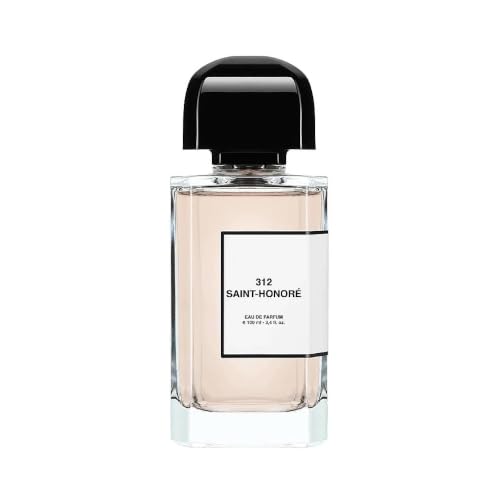
3.4 oz 312 Saint-Honore Eau De Parfum Spray for Unisex

65 Fair
$217.00 · 3.4 oz
View on Amazon
Verified Amazon match

Summary

This fragrance product contains a mix of natural extracts and synthetic compounds. While it includes beneficial natural ingredients like Brazilian Rosebay Extract and Orange Blossom, the presence of synthetic components such as aldehydes and ambroxan contributes to its processing level. The overall formulation is typical for perfumes, which are generally more processed due to the nature of fragrance creation.

At a glance

Beneficial ingredients 0
Harmful ingredients 0
Category Other Makeup

Key ingredients 16

Alcohol

Alcohol is commonly used in perfumes as a solvent and to help disperse the fragrance. It evaporates quickly, leaving the scent on the skin. However, it can be drying to the skin and may cause irritation in sensitive individuals.

Risks

Potential risks include skin dryness and irritation, especially for those with sensitive skin.

Benefits

It helps in the quick evaporation of the perfume, enhancing the fragrance experience.

See more about Alcohol →
Amber

Amber is used in perfumes for its warm, resinous scent that adds depth and richness. It is a complex fragrance note often derived from natural resins or synthetically created. While generally safe, some individuals may experience allergic reactions.

Risks

Potential risks include allergic reactions in sensitive individuals.

Benefits

Amber provides a warm, long-lasting base note that enhances the overall fragrance profile.

Woody

Woody notes in perfumes are derived from natural or synthetic sources to provide earthy, warm scents. They are often used as base notes to add depth and longevity to the fragrance. While generally safe, some woody compounds can cause skin irritation.

Risks

Potential risks include skin irritation for sensitive individuals.

Benefits

Woody notes add depth and complexity to the fragrance, enhancing its longevity.

Aldehyde

Aldehydes are used in perfumes to add a fresh, clean scent and enhance the fragrance's top notes. They are synthetic compounds that can be potent and long-lasting. Some aldehydes can cause skin irritation or allergic reactions.

Risks

Potential risks include skin irritation and allergic reactions in sensitive individuals.

Benefits

Aldehydes provide a fresh, clean scent that enhances the fragrance's top notes.

Oils

Oils in perfumes are used as carriers for fragrance compounds, helping to blend and stabilize the scent. They can be derived from natural or synthetic sources. While generally safe, some oils can cause skin irritation or allergic reactions.

Risks

Potential risks include skin irritation and allergic reactions in sensitive individuals.

Benefits

Oils help to blend and stabilize the fragrance, enhancing its overall performance.

Brazilian Rosebay Extract

Brazilian Rosebay Extract is used in perfumes for its floral, sweet scent. It is derived from the rosebay plant and adds a unique fragrance note. While generally safe, it may cause allergic reactions in sensitive individuals.

Risks

Potential risks include allergic reactions in sensitive individuals.

Benefits

It provides a unique floral note that enhances the fragrance's complexity.

Rosebay Leaves

Rosebay Leaves are used in perfumes for their aromatic properties, adding a green, fresh note. They are derived from the rosebay plant and are generally considered safe. However, they may cause allergic reactions in some individuals.

Risks

Potential risks include allergic reactions in sensitive individuals.

Benefits

They add a fresh, green note that enhances the fragrance's complexity.

French Angelica Roots

French Angelica Roots are used in perfumes for their earthy, musky scent. They are derived from the angelica plant and add depth to the fragrance. While generally safe, they may cause allergic reactions in sensitive individuals.

Risks

Potential risks include allergic reactions in sensitive individuals.

Benefits

They provide an earthy, musky note that enhances the fragrance's depth.

Pink peppercorn extract

Pink peppercorn extract is used in perfumes for its spicy, fruity scent. It is derived from the pink peppercorn and adds a unique top note. While generally safe, it may cause allergic reactions in sensitive individuals.

Risks

Potential risks include allergic reactions in sensitive individuals.

Benefits

It provides a spicy, fruity note that enhances the fragrance's complexity.

Pink peppercorn leaf

Pink peppercorn leaf is used in perfumes for its aromatic, spicy scent. It is derived from the pink peppercorn plant and adds a unique fragrance note. While generally safe, it may cause allergic reactions in sensitive individuals.

Risks

Potential risks include allergic reactions in sensitive individuals.

Benefits

It provides an aromatic, spicy note that enhances the fragrance's complexity.

Orange blossom

Orange blossom is used in perfumes for its sweet, floral scent. It is derived from the flowers of the orange tree and adds a fresh, uplifting note. While generally safe, it may cause allergic reactions in sensitive individuals.

Risks

Potential risks include allergic reactions in sensitive individuals.

Benefits

It provides a sweet, floral note that enhances the fragrance's freshness.

Tonka bean

Tonka bean is used in perfumes for its sweet, warm scent reminiscent of vanilla and almond. It is derived from the seeds of the tonka tree and adds a rich base note. While generally safe, it may cause allergic reactions in sensitive individuals.

Risks

Potential risks include allergic reactions in sensitive individuals.

Benefits

It provides a sweet, warm note that enhances the fragrance's richness.

Iris

Iris is used in perfumes for its powdery, floral scent. It is derived from the rhizomes of the iris plant and adds a sophisticated note. While generally safe, it may cause allergic reactions in sensitive individuals.

Risks

Potential risks include allergic reactions in sensitive individuals.

Benefits

It provides a powdery, floral note that enhances the fragrance's sophistication.

Ambroxan

Ambroxan is used in perfumes for its musky, ambergris-like scent. It is a synthetic compound that adds depth and longevity to the fragrance. While generally safe, it may cause allergic reactions in sensitive individuals.

Risks

Potential risks include allergic reactions in sensitive individuals.

Benefits

It provides a musky, ambergris-like note that enhances the fragrance's depth and longevity.

Ambery musk

Ambery musk is used in perfumes for its warm, musky scent. It is a synthetic compound that adds depth and richness to the fragrance. While generally safe, it may cause allergic reactions in sensitive individuals.

Risks

Potential risks include allergic reactions in sensitive individuals.

Benefits

It provides a warm, musky note that enhances the fragrance's richness.

Oud wood

Oud wood is used in perfumes for its rich, woody scent. It is derived from the resinous heartwood of the agar tree and adds a luxurious note. While generally safe, it may cause allergic reactions in sensitive individuals.

Risks

Potential risks include allergic reactions in sensitive individuals.

Benefits

It provides a rich, woody note that enhances the fragrance's luxury.

Processing

Group 4 · Ultra-processed

Ultra-Processed Foods

Get the full breakdown in the Scout app

Scan any product to see lab results, healthy alternatives, and your personalized analysis.

Download on theApp Store