
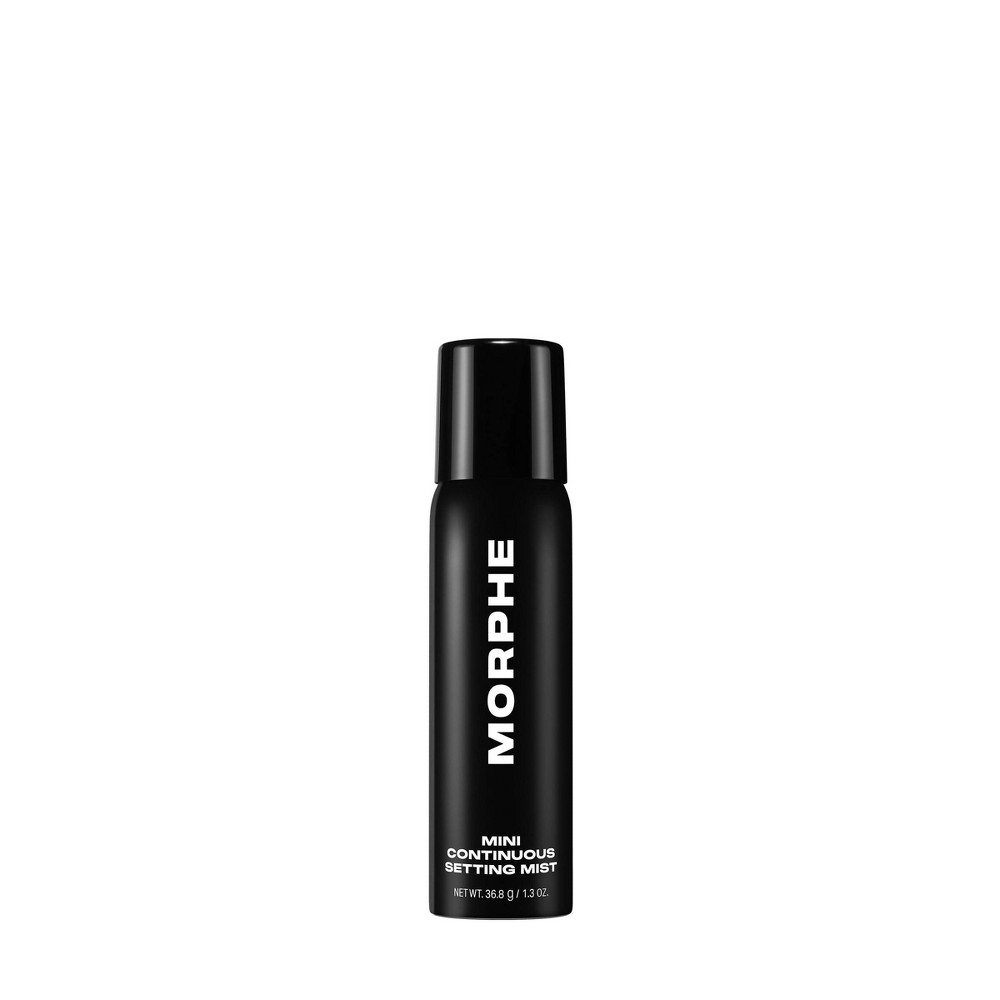
Morphe Mini Continuous Setting Spray Mist - 1.3oz: Vegan, Translucent, For Normal, Oily, Combination, Mature, Acne-Prone, Very Dry Skin
Analysis updated August 2026 · How Scout scores
At a glance
Summary
This setting spray contains beneficial ingredients like glycerin, papaya fruit extract, and grape seed extract, which provide moisturizing and antioxidant benefits. However, the presence of phenoxyethanol and fragrance, which can be irritating and are common allergens, lowers its safety profile. The product is moderately processed, which further impacts its overall rating.
Key ingredients 33
PanthenolVery Good
Panthenol, also known as provitamin B5, is used for its moisturizing and soothing properties. It helps improve skin hydration and elasticity.
Risks
Generally considered safe with minimal risk of irritation.
Benefits
Enhances skin hydration and promotes healing.
GlycerinGood
Glycerin is a humectant that attracts moisture to the skin, helping to keep it hydrated. It is widely used in skincare for its moisturizing properties.
Risks
There are minimal risks associated with glycerin, though it can cause irritation in very sensitive skin.
Benefits
Glycerin helps maintain skin hydration and improves skin barrier function.
Carica Papaya (Papaya) Fruit ExtractGood
Papaya extract is rich in vitamins and enzymes that can help exfoliate and brighten the skin. It is valued for its natural exfoliating properties.
Risks
Potential for allergic reactions in sensitive individuals.
Benefits
Promotes skin renewal and provides antioxidant benefits.
Vitis Vinifera (Grape) Seed ExtractGood
Grape seed extract is known for its antioxidant properties, which help protect the skin from environmental damage. It is rich in polyphenols and vitamins.
Risks
Generally considered safe, but may cause irritation in very sensitive skin.
Benefits
Provides antioxidant protection and supports skin health.
Cucumis Sativus (Cucumber) Fruit WaterGood
Cucumber fruit water is soothing and hydrating, often used for its calming effects on the skin. It is rich in vitamins and minerals.
Risks
Minimal risk, though allergic reactions are possible.
Benefits
Provides hydration and soothing benefits to the skin.
Rosa Centifolia Flower WaterGood
Rosa Centifolia Flower Water is known for its soothing and hydrating properties. It is often used for its pleasant fragrance and skin-calming effects.
Risks
Minimal risk, though allergic reactions are possible.
Benefits
Provides soothing and hydrating benefits to the skin.
Enantia Chlorantha Bark ExtractGood
Enantia Chlorantha Bark Extract is used for its astringent and pore-reducing properties. It is beneficial for oily and acne-prone skin.
Risks
May cause irritation in sensitive skin types.
Benefits
Helps reduce pore size and control excess oil production.
Oleanolic AcidGood
Oleanolic Acid is known for its anti-inflammatory and antioxidant properties. It is used in skincare to help reduce inflammation and protect the skin.
Risks
Generally considered safe with minimal risk of irritation.
Benefits
Provides anti-inflammatory benefits and supports skin health.
Decyl GlucosideGood
Beneficial ingredient — whole-food or functional value in this product class.
Risks
Generally considered safe, but can cause irritation in sensitive skin.
Benefits
Provides gentle cleansing without stripping natural oils.
Tocopheryl AcetateGood
Tocopheryl Acetate is a form of Vitamin E used for its antioxidant properties. It helps protect the skin from environmental damage.
Risks
Generally considered safe, but can cause irritation in sensitive skin.
Benefits
Provides antioxidant protection and supports skin health.
Water (Aqua, Eau)Neutral
Water is a common solvent used in cosmetics to dissolve other ingredients. It is generally considered safe and non-reactive.
Risks
There are no significant risks associated with water in cosmetics.
Benefits
Water helps in the application and absorption of other ingredients.
Butylene GlycolNeutral
Butylene Glycol is used as a solvent and conditioning agent in cosmetics. It helps improve the texture and spreadability of products.
Risks
It can cause irritation in sensitive skin types when used in high concentrations.
Benefits
It enhances the penetration of other ingredients and provides a smooth application.
PEG-40 Hydrogenated Castor OilNeutral
PEG-40 Hydrogenated Castor Oil is an emulsifier that helps blend oil and water-based ingredients. It is commonly used in cosmetics for its stabilizing properties.
Risks
May cause irritation in sensitive skin and has potential contamination concerns.
Benefits
Improves product texture and stability.
PPG-26-Buteth-26Neutral
PPG-26-Buteth-26 is used as an emollient and surfactant in cosmetics. It helps improve the spreadability of products.
Risks
Potential for skin irritation in sensitive individuals.
Benefits
Enhances product texture and application.
PVPNeutral
PVP is a film-forming agent used in cosmetics to provide hold and texture. It is commonly used in hair and skincare products.
Risks
May cause build-up or irritation with frequent use.
Benefits
Helps improve product texture and provides hold.
IsododecaneNeutral
Isododecane is a solvent used to enhance the spreadability of products. It evaporates quickly, leaving a smooth finish.
Risks
Generally considered safe, but can cause irritation in sensitive skin.
Benefits
Improves product application and provides a lightweight feel.
TrimethylsiloxysilicateNeutral
Trimethylsiloxysilicate is a silicone used to provide water resistance and a smooth finish in cosmetics. It is commonly used in long-wear products.
Risks
May cause build-up or irritation with frequent use.
Benefits
Provides water resistance and a smooth, long-lasting finish.
PropanediolNeutral
Propanediol is a solvent and humectant used to improve texture and moisture retention in cosmetics. It is derived from corn sugar.
Risks
Generally considered safe, but can cause irritation in sensitive skin.
Benefits
Enhances product texture and helps retain moisture.
Citric AcidNeutral
Citric Acid is used to adjust the pH of cosmetic formulations. It is also known for its exfoliating properties.
Risks
May cause irritation in sensitive skin or when used in high concentrations.
Benefits
Helps maintain product pH and provides mild exfoliation.
Caprylyl GlycolNeutral
Caprylyl Glycol is used as a skin conditioning agent and preservative booster. It helps improve the texture and stability of products.
Risks
Generally considered safe, but can cause irritation in sensitive skin.
Benefits
Enhances product texture and boosts preservative efficacy.
Hexylene GlycolNeutral
Hexylene Glycol is used as a solvent and viscosity agent in cosmetics. It helps improve the texture and spreadability of products.
Risks
May cause irritation in sensitive skin types.
Benefits
Improves product texture and application.
Benzyl BenzoateNeutral
Benzyl Benzoate is used as a fragrance ingredient and solvent in cosmetics. It is also used as a preservative.
Risks
May cause irritation or allergic reactions in sensitive individuals.
Benefits
Enhances fragrance and acts as a preservative.
Citrus Limon (Lemon) Peel OilNeutral
Lemon Peel Oil is used for its fragrance and potential astringent properties. It is derived from lemon peels and contains natural compounds.
Risks
May cause photosensitivity or irritation in sensitive skin.
Benefits
Provides a fresh scent and potential astringent benefits.
HexamethylindanopyranNeutral
Hexamethylindanopyran is a synthetic fragrance ingredient used to impart scent to cosmetics. It is commonly used in perfumes and personal care products.
Risks
Potential for skin irritation and allergic reactions.
Benefits
Provides a long-lasting fragrance to the product.
Tetramethyl AcetyloctahydronaphthalenesNeutral
Tetramethyl Acetyloctahydronaphthalenes is a synthetic fragrance ingredient used to impart scent to cosmetics. It is commonly used in perfumes and personal care products.
Risks
Potential for skin irritation and allergic reactions.
Benefits
Provides a long-lasting fragrance to the product.
Propylene GlycolBad
Processed additive flagged under Scout's ingredient doctrine.
Risks
May cause irritation or allergic reactions in sensitive individuals.
Benefits
It aids in moisture retention and enhances the texture of cosmetic formulations.
PhenoxyethanolBad
Phenoxyethanol is a preservative used to prevent microbial growth in cosmetics. It is effective but can be irritating to the skin and eyes.
Risks
Potential for skin irritation and allergic reactions, especially in sensitive individuals.
Benefits
Helps maintain product integrity by preventing microbial contamination.
Disodium EDTABad
Processed additive flagged under Scout's ingredient doctrine.
Risks
May cause irritation in sensitive skin types.
Benefits
Helps maintain product stability and efficacy.
Sodium BenzoateBad
Synthetic preservative that can form benzene in the presence of vitamin C.
Risks
May cause irritation in sensitive skin types.
Benefits
Helps maintain product integrity by preventing microbial contamination.
Potassium SorbateBad
Synthetic preservative — flagged in daily-use products.
Risks
May cause irritation in sensitive skin types.
Benefits
Helps maintain product integrity by preventing microbial contamination.
LimoneneBad
Processed additive flagged under Scout's ingredient doctrine.
Risks
May cause skin irritation or allergic reactions, especially in sensitive individuals.
Benefits
Provides a fresh citrus scent and potential antioxidant benefits.
LinaloolBad
Processed additive flagged under Scout's ingredient doctrine.
Risks
Potential for skin irritation and allergic reactions.
Benefits
Provides a pleasant floral scent to the product.
Fragrance (Parfum)Very Bad
Fragrance is used to impart scent to cosmetics but can be irritating to the skin and respiratory system. It is a common allergen in personal care products.
Risks
Potential for skin irritation and allergic reactions, especially in sensitive individuals.
Benefits
Provides a pleasant scent to the product.
Get the full breakdown in the Scout appTake Scout shopping
Scan any product to see lab results, healthy alternatives, and your personalized analysis.
Download on theApp Store GET IT ONGoogle Play