


At a glance
Summary
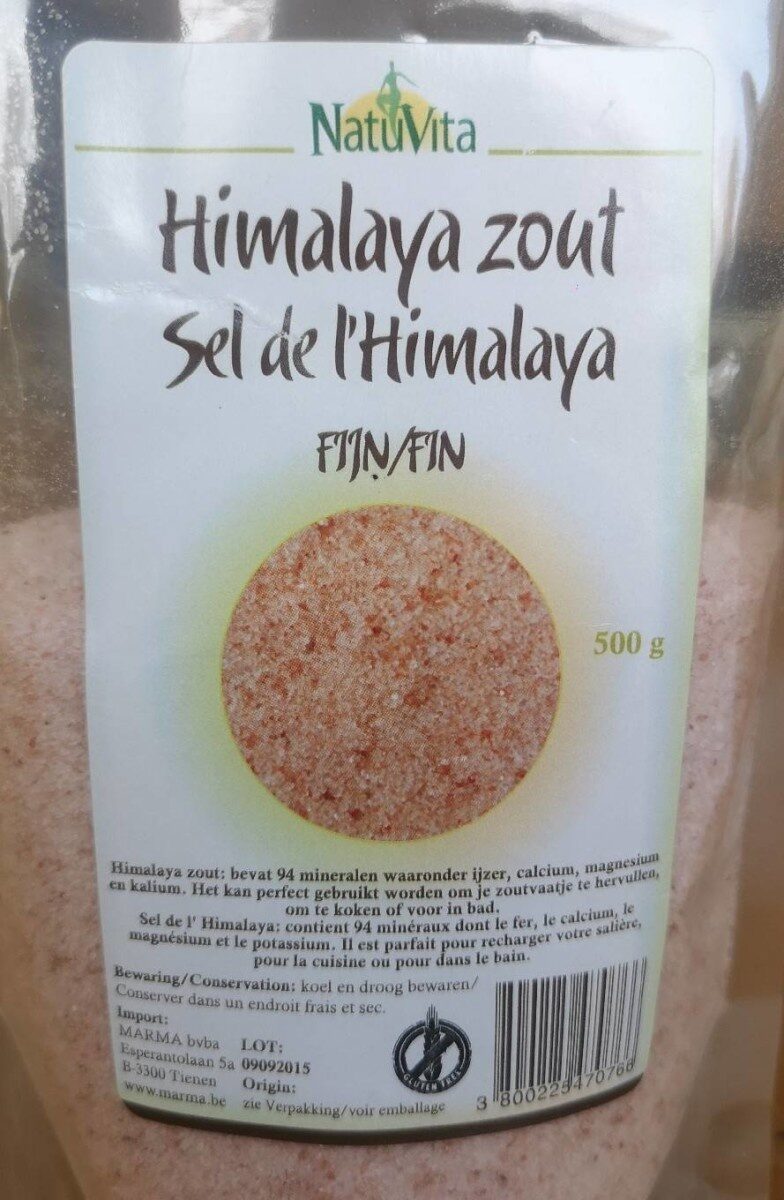
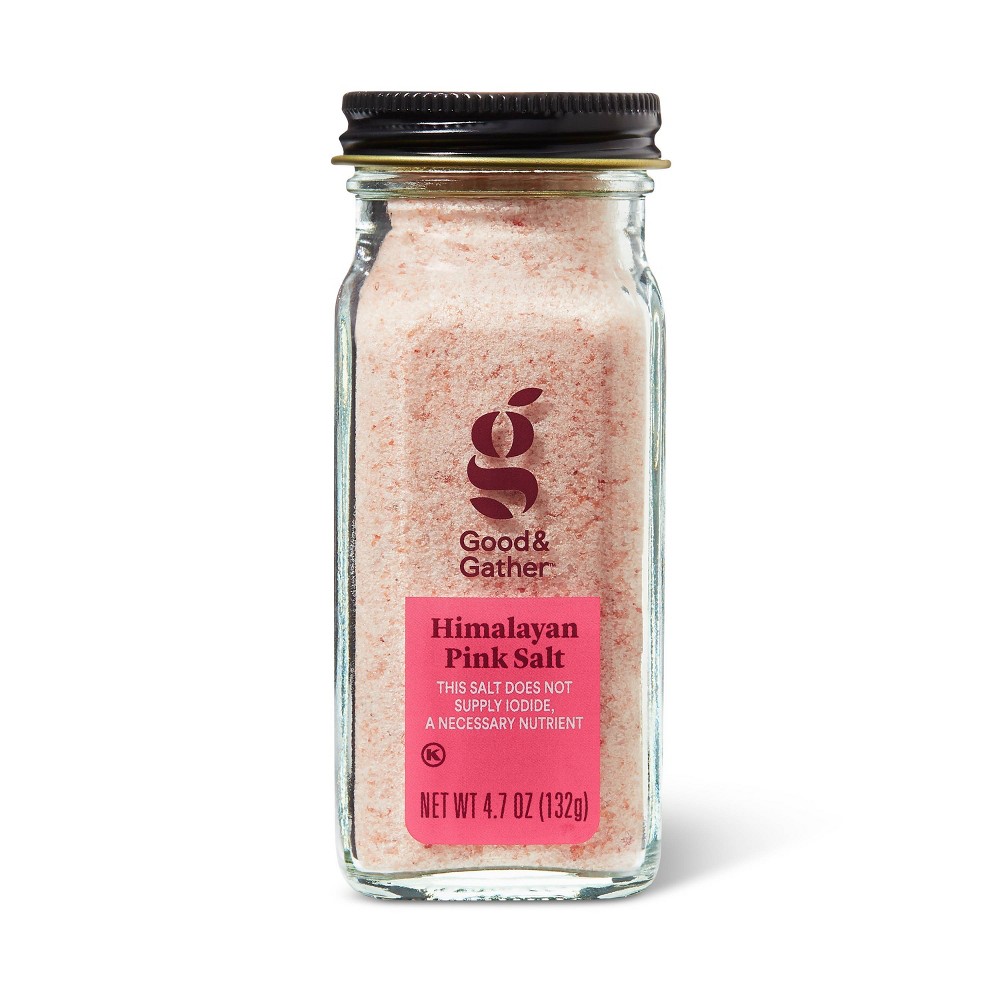
Himalayan salt is a minimally processed culinary ingredient that contains beneficial trace minerals such as calcium, potassium, magnesium, iron, and zinc. These minerals contribute to various health benefits, including bone health, fluid balance, and immune function. The presence of these natural elements enhances its nutritional profile compared to regular table salt, making it a high-quality choice.
Key ingredients 8
Chlorure de sodiumGood
Chlorure de sodium is a common salt that enhances flavor and preserves food, making it a useful culinary ingredient.
MinérauxGood
Minerals in Himalayan salt contribute to its unique composition and can support overall mineral intake.
Oligo-élémentsGood
Trace elements or oligo-éléments are essential minerals present in small amounts that support various bodily functions.
CalciumGood
Calcium is vital for healthy bones and teeth, and its presence in salt adds nutritional value.
See more about Calcium →PotassiumGood
Potassium helps maintain proper muscle and nerve function, making it an important mineral in the diet.
See more about Potassium →MagnésiumGood
Magnesium supports energy production and muscle function, contributing to overall health.
FerGood
Iron is essential for oxygen transport in the blood, and its presence in salt can support healthy blood levels.
ZincGood
Zinc plays a role in immune function and cell growth, making it a beneficial trace mineral.
See more about Zinc →Processing
Processed Culinary Ingredients
Get the full breakdown in the Scout appTake Scout shopping
Scan any product to see lab results, healthy alternatives, and your personalized analysis.
Download on theApp Store GET IT ONGoogle PlayAmazon pricing & content
Amazon price as of . Product prices and availability are accurate as of the date/time indicated and are subject to change. Any price and availability information displayed on Amazon.com at the time of purchase will apply to the purchase of this product.
CERTAIN CONTENT THAT APPEARS ON THIS SITE COMES FROM AMAZON. THIS CONTENT IS PROVIDED “AS IS” AND IS SUBJECT TO CHANGE OR REMOVAL AT ANY TIME.