
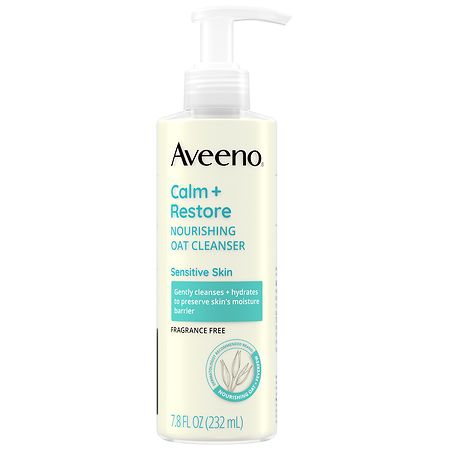
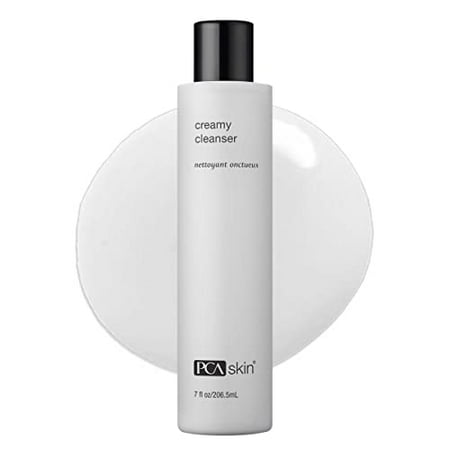
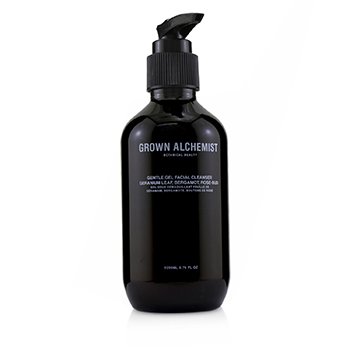
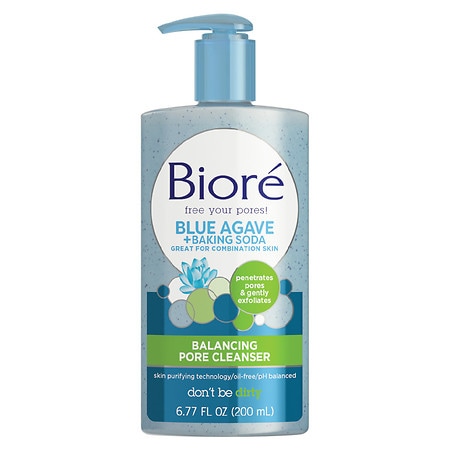
Aveeno Calm + Restore Face Cleanser for Sensitive Skin with Nourishing Oat & Feverfew - Fragrance Free - 7.8 fl oz

62 Fair
$9.97 · 7.8 fl oz
View on Amazon
Verified Amazon match

Summary

This face cleanser contains beneficial ingredients like oat kernel flour and feverfew, which are known for their soothing properties. However, it also includes synthetic components such as polysorbate 20 and phenoxyethanol, which are common in processed skincare products. The absence of fragrance is a positive aspect, but the presence of synthetic emulsifiers and preservatives affects the overall ingredient safety score.

At a glance

Beneficial ingredients 0
Harmful ingredients 0
Category Face Wash

Key ingredients 16

Water

Water is a universal solvent and is used as a base in many cosmetic formulations. It helps dissolve other ingredients and provides hydration to the skin. It is essential for the formulation of the product.

Risks

There are no significant risks associated with water in cosmetics.

Benefits

Water hydrates the skin and helps in the absorption of other beneficial ingredients.

See more about Water →
Glycerin

Glycerin is a humectant that attracts moisture to the skin, helping to keep it hydrated. It is commonly used in skincare products for its moisturizing properties. It is considered safe and effective for most skin types.

Risks

Glycerin is generally safe, but in rare cases, it may cause irritation if used in high concentrations.

Benefits

Glycerin helps maintain skin hydration and improves skin barrier function.

See more about Glycerin →
Butylene Glycol

Butylene Glycol is a conditioning agent that helps to retain moisture in the skin. It also acts as a solvent and improves the texture of the product. It is widely used in cosmetics for its moisturizing properties.

Risks

It may cause irritation in sensitive individuals, but it is generally considered safe.

Benefits

Butylene Glycol enhances skin hydration and improves the spreadability of the product.

See more about Butylene Glycol →
Avena Sativa (Oat) Kernel Flour

Oat Kernel Flour is known for its soothing and anti-inflammatory properties, making it ideal for sensitive skin. It helps to calm irritation and provides a protective barrier on the skin. It is a natural ingredient with a long history of safe use.

Risks

There are minimal risks, but it may cause allergic reactions in individuals with oat allergies.

Benefits

Oat Kernel Flour soothes irritated skin and provides a calming effect.

See more about Avena Sativa (Oat) Kernel Flour →
Polysorbate 20

Polysorbate 20 is an emulsifier that helps to mix oil and water-based ingredients. It stabilizes the formulation and improves the texture of the product. It is commonly used in cosmetics for its emulsifying properties.

Risks

It may cause mild irritation in sensitive skin types.

Benefits

Polysorbate 20 helps maintain product consistency and enhances the texture.

See more about Polysorbate 20 →
Poloxamer 188

Poloxamer 188 is a surfactant that helps to cleanse the skin by removing dirt and oil. It is gentle and non-irritating, making it suitable for sensitive skin. It is often used in formulations for its cleansing properties.

Risks

Generally considered safe, but may cause mild irritation in some individuals.

Benefits

Poloxamer 188 effectively cleanses the skin without causing irritation.

Zea Mays (Corn) Starch

Corn Starch is used as an absorbent and thickening agent in cosmetics. It helps to absorb excess oil and provides a smooth texture to the product. It is a natural ingredient with a low risk of irritation.

Risks

There are minimal risks, but it may cause allergic reactions in individuals with corn allergies.

Benefits

Corn Starch absorbs oil and improves the texture of the product.

See more about Zea Mays (Corn) Starch →
Acrylates/C10-30 Alkyl Acrylate Crosspolymer

This ingredient is used as a thickening agent and stabilizer in cosmetic formulations. It helps to create a smooth and consistent texture. It is widely used for its ability to enhance product stability.

Risks

It may cause mild irritation in sensitive skin types.

Benefits

It improves product texture and stability.

See more about Acrylates/C10-30 Alkyl Acrylate Crosspolymer →
Caprylyl Glycol

Caprylyl Glycol is a skin conditioning agent that provides moisturizing benefits. It also acts as a preservative booster, enhancing the efficacy of other preservatives. It is considered safe and effective for most skin types.

Risks

Generally safe, but may cause irritation in very sensitive skin.

Benefits

Caprylyl Glycol moisturizes the skin and enhances preservative efficacy.

See more about Caprylyl Glycol →
Phenoxyethanol

Phenoxyethanol is a preservative used to prevent microbial growth in cosmetics. It is effective in low concentrations and helps to extend the shelf life of the product. It is commonly used as a safer alternative to parabens.

Risks

It may cause irritation or allergic reactions in sensitive individuals.

Benefits

Phenoxyethanol effectively preserves the product and prevents contamination.

See more about Phenoxyethanol →
Disodium EDTA

Disodium EDTA is a chelating agent that helps to stabilize the formulation by binding metal ions. It enhances the efficacy of preservatives and improves product stability. It is widely used in cosmetics for its stabilizing properties.

Risks

It may cause mild irritation in sensitive skin types.

Benefits

Disodium EDTA improves product stability and enhances preservative efficacy.

See more about Disodium EDTA →
Ethylhexylglycerin

Ethylhexylglycerin is a conditioning agent and preservative enhancer. It helps to improve skin feel and boosts the efficacy of other preservatives. It is considered safe and effective for most skin types.

Risks

Generally safe, but may cause irritation in very sensitive skin.

Benefits

Ethylhexylglycerin conditions the skin and enhances preservative efficacy.

See more about Ethylhexylglycerin →
Sodium Polyacrylate

Sodium Polyacrylate is a thickening agent that helps to improve the texture and consistency of the product. It is used to enhance the viscosity and stability of formulations. It is commonly used in cosmetics for its thickening properties.

Risks

It may cause mild irritation in sensitive skin types.

Benefits

Sodium Polyacrylate improves product texture and stability.

See more about Sodium Polyacrylate →
Sodium Hydroxide

Sodium Hydroxide is used to adjust the pH of cosmetic formulations. It helps to maintain the stability and efficacy of the product. It is used in very low concentrations to ensure safety.

Risks

In high concentrations, it can be irritating, but it is used in safe amounts in cosmetics.

Benefits

Sodium Hydroxide helps maintain product stability by adjusting pH.

See more about Sodium Hydroxide →
Chrysanthemum Parthenium (Feverfew) Flower/Leaf/Stem Juice

Feverfew extract is known for its anti-inflammatory and antioxidant properties. It helps to soothe irritated skin and reduce redness. It is a natural ingredient with a history of use in calming sensitive skin.

Risks

There are minimal risks, but it may cause allergic reactions in individuals sensitive to feverfew.

Benefits

Feverfew extract soothes and calms irritated skin.

Sodium Hyaluronate

Sodium Hyaluronate is a form of hyaluronic acid that provides intense hydration to the skin. It helps to retain moisture and improve skin elasticity. It is a highly regarded ingredient for its moisturizing properties.

Risks

There are no significant risks associated with Sodium Hyaluronate.

Benefits

Sodium Hyaluronate deeply hydrates the skin and enhances elasticity.

See more about Sodium Hyaluronate →

Processing

Group 3 · Processed

Processed Foods

Get the full breakdown in the Scout app

Scan any product to see lab results, healthy alternatives, and your personalized analysis.

Download on theApp Store