
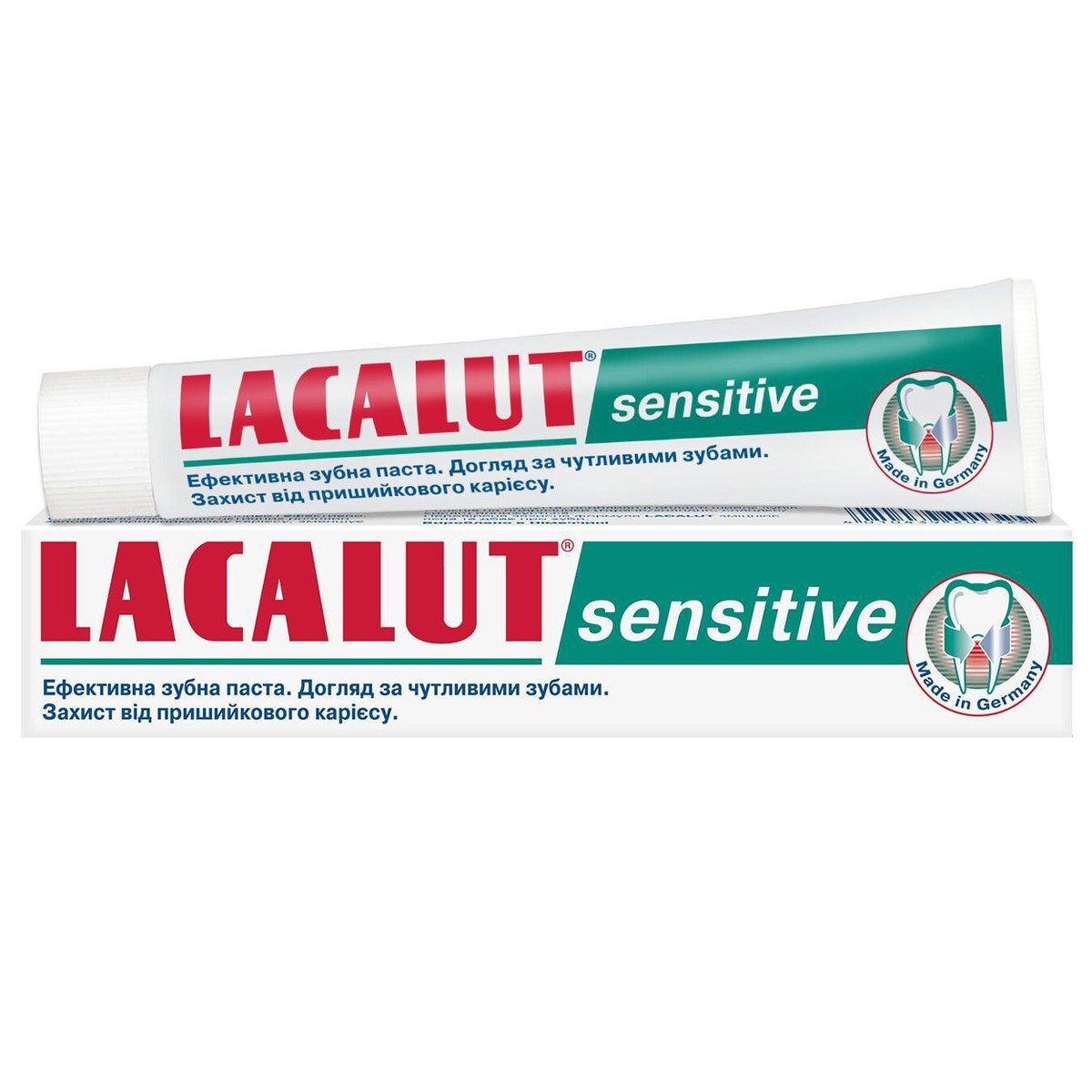


Lacalut Sensitive Pasta Do Zębów - 75 Ml
Summary
This toothpaste contains Olaflur, a beneficial ingredient known for its anti-cavity properties, which supports oral health. However, the presence of PEG-32 and Cocamidopropyl Betaine, both of which are associated with potential health concerns such as contamination with carcinogens and skin irritation, respectively, affects the overall safety profile. The product's processing level and inclusion of these synthetic ingredients contribute to a moderate score.
At a glance
Key ingredients 11
AquaNeutral
Aqua is primarily used as a solvent in toothpaste formulations. It is generally considered neutral as it does not contribute to the active cleaning or therapeutic properties of the product. The quality of water used can vary, but it is typically purified to remove contaminants.
See more about Aqua →SorbitolNeutral
Sorbitol is used as a humectant and sweetener in toothpaste. It helps retain moisture and provides a mild sweetness without promoting tooth decay. Sorbitol is generally considered safe, but excessive use can lead to digestive issues.
Risks
Excessive consumption may lead to gastrointestinal discomfort or laxative effects.
Benefits
Provides sweetness without contributing to tooth decay.
Hydrated SilicaNeutral
Hydrated silica is used as an abrasive agent to help remove plaque and stains from teeth. It is considered neutral as it does not have significant health impacts beyond its mechanical cleaning action. The particle size and processing can affect its abrasiveness and safety.
Benefits
Helps in mechanically cleaning teeth by removing plaque and surface stains.
PEG-32Bad
PEG-32 is used as a binder and thickener in toothpaste formulations. It is a synthetic polymer that can be contaminated with ethylene oxide and 1,4-dioxane, which are potential carcinogens. The processing and purification levels determine its safety profile.
Risks
Potential contamination with harmful substances like ethylene oxide and 1,4-dioxane.
SilicaNeutral
Silica is used as an abrasive to aid in cleaning teeth and removing stains. It is generally considered safe and effective for its intended purpose. The quality and particle size can influence its abrasiveness and safety.
Benefits
Contributes to the mechanical cleaning of teeth by removing plaque and stains.
Poloxamer 188Neutral
Poloxamer 188 is used as a surfactant to help mix ingredients and improve texture. It is generally considered safe and does not have significant health impacts. Its role is primarily functional, aiding in the stability and consistency of the product.
Benefits
Improves the texture and stability of the toothpaste formulation.
Cocamidopropyl BetaineBad
Cocamidopropyl betaine is a surfactant used to create foam and improve texture. It can cause skin irritation or allergic reactions in sensitive individuals. The ingredient is derived from coconut oil but undergoes significant chemical processing.
Risks
Potential for skin irritation or allergic reactions in sensitive individuals.
Benefits
Enhances foaming and texture, improving the user experience.
AromaNeutral
Aroma is used to provide a pleasant taste and smell to the toothpaste. The specific composition of the aroma is not disclosed, which can include natural or synthetic components. Its primary role is to enhance user experience without significant health impacts.
Benefits
Improves the sensory experience of using the toothpaste.
HydroxyethylcelluloseNeutral
Hydroxyethylcellulose is used as a thickening agent to improve the texture of toothpaste. It is derived from cellulose and is generally considered safe and inert. Its role is primarily functional, contributing to the viscosity and stability of the product.
Benefits
Contributes to the viscosity and stability of the toothpaste formulation.
OlaflurGood
Olaflur is an amine fluoride used for its anti-cavity properties in toothpaste. It helps in remineralizing enamel and preventing tooth decay. Its effectiveness is well-documented, making it a beneficial ingredient in oral care products.
Benefits
Provides anti-cavity benefits by aiding in enamel remineralization and decay prevention.
Propylene GlycolNeutral
Propylene glycol is used as a humectant to retain moisture in toothpaste. It is generally recognized as safe, but some individuals may experience skin irritation. Its primary function is to maintain the product's consistency and prevent drying out.
Risks
May cause skin irritation in sensitive individuals.
Benefits
Helps retain moisture and maintain the consistency of the toothpaste.
Processing
Processed Foods
Get the full breakdown in the Scout app
Scan any product to see lab results, healthy alternatives, and your personalized analysis.
Download on theApp Store