



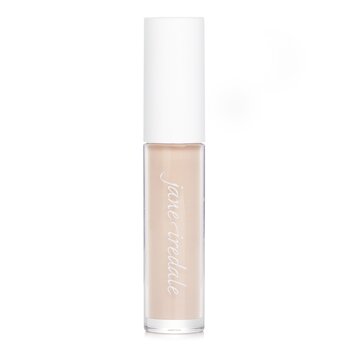
Dr Hauschka Genuine Organic Concealer 02 Beige Rosé 2.5ml Brand Long Date
Analysis updated September 2026 · How Scout scores
At a glance
Summary
This concealer features a clean and natural ingredient list, with beneficial oils such as avocado, sweet almond, and jojoba, which provide excellent moisturizing and nourishing properties. The absence of synthetic chemicals, fragrances, and harmful additives contributes to its high rating, making it a safe choice for sensitive skin.
Key ingredients 8
Persea Gratissima (Avocado) OilVery Good
Avocado oil is rich in fatty acids and vitamins, making it an excellent moisturizer for the skin. It is known for its nourishing and regenerative properties. It is beneficial for dry and sensitive skin types.
Risks
There are minimal risks, though some individuals may experience allergic reactions.
Benefits
Avocado oil deeply moisturizes and nourishes the skin.
Prunus Amygdalus Dulcis (Sweet Almond) OilVery Good
Sweet almond oil is a natural emollient that helps to soften and smooth the skin. It is rich in vitamins and fatty acids, providing nourishment and hydration. It is suitable for all skin types, including sensitive skin.
Risks
There are minimal risks, though individuals with nut allergies should exercise caution.
Benefits
Sweet almond oil moisturizes and improves skin texture.
Simmondsia Chinensis (Jojoba) Seed OilVery Good
Jojoba oil is a natural oil that closely resembles the skin's natural sebum, making it an excellent moisturizer. It is non-comedogenic and suitable for all skin types. It is known for its soothing and healing properties.
Risks
There are minimal risks associated with jojoba oil.
Benefits
Jojoba oil moisturizes and balances the skin's natural oils.
MicaGood
Beneficial ingredient — whole-food or functional value in this product class.
Risks
There are minimal risks associated with mica, though inhalation of fine particles should be avoided.
Benefits
Mica provides a natural shimmer and glow to the skin.
GlycerinGood
Glycerin is a humectant that attracts moisture to the skin, helping to keep it hydrated. It is widely used in skincare products for its moisturizing properties. It is considered safe and beneficial for most skin types.
Risks
There are no significant risks associated with glycerin.
Benefits
Glycerin helps maintain skin hydration and improves skin barrier function.
WaterNeutral
Water is a common solvent used in cosmetics to dissolve other ingredients. It helps in the application and absorption of the product. It does not provide any direct benefits or risks in this formulation.
Risks
There are no significant risks associated with water in cosmetics.
Benefits
Water helps in the even distribution of other ingredients.
AlcoholNeutral
Alcohol is often used in cosmetics as a solvent and to help other ingredients penetrate the skin. It can also act as a preservative. In small amounts, it is generally safe for use in cosmetics.
Risks
In higher concentrations, alcohol can be drying to the skin.
Benefits
Alcohol can enhance the penetration of active ingredients.
Cetearyl AlcoholNeutral
Cetearyl alcohol is a fatty alcohol used as an emulsifier and thickener in cosmetics. It helps to stabilize formulations and improve texture. It is not drying like other alcohols and is generally safe for use.
Risks
There are no significant risks associated with cetearyl alcohol.
Benefits
Cetearyl alcohol helps to improve the texture and stability of cosmetic products.
Get the full breakdown in the Scout appTake Scout shopping
Scan any product to see lab results, healthy alternatives, and your personalized analysis.
Download on theApp Store GET IT ONGoogle PlayAmazon pricing & content
Amazon price as of . Product prices and availability are accurate as of the date/time indicated and are subject to change. Any price and availability information displayed on Amazon.com at the time of purchase will apply to the purchase of this product.
CERTAIN CONTENT THAT APPEARS ON THIS SITE COMES FROM AMAZON. THIS CONTENT IS PROVIDED “AS IS” AND IS SUBJECT TO CHANGE OR REMOVAL AT ANY TIME.