

At a glance
Summary
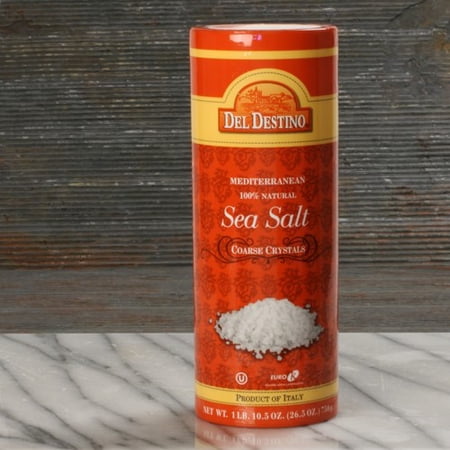
This product is primarily composed of sea salt, which is a minimally processed ingredient that retains natural minerals. The presence of an anti-caking agent, potassium ferrocyanide, introduces a synthetic additive, but it is used in small amounts and is generally considered safe. The overall processing level is low, contributing to a favorable score.
Key ingredients 2
Sea SaltGood
Sea Salt
Good
Beneficial ingredient — whole-food or functional value in this product class.
See more about Sea Salt →Anti-Caking Agent (Potassium Ferrocyanide)Neutral
Anti-Caking Agent (Potassium Ferrocyanide)
Neutral
Potassium ferrocyanide is added to prevent clumping in salt; it is generally recognized as safe in small amounts and has a neutral sentiment.
Processing
Group 2 · Culinary ingredients
Processed Culinary Ingredients
Get the full breakdown in the Scout appTake Scout shopping
Scan any product to see lab results, healthy alternatives, and your personalized analysis.
Download on theApp Store GET IT ONGoogle Play