

At a glance
Summary
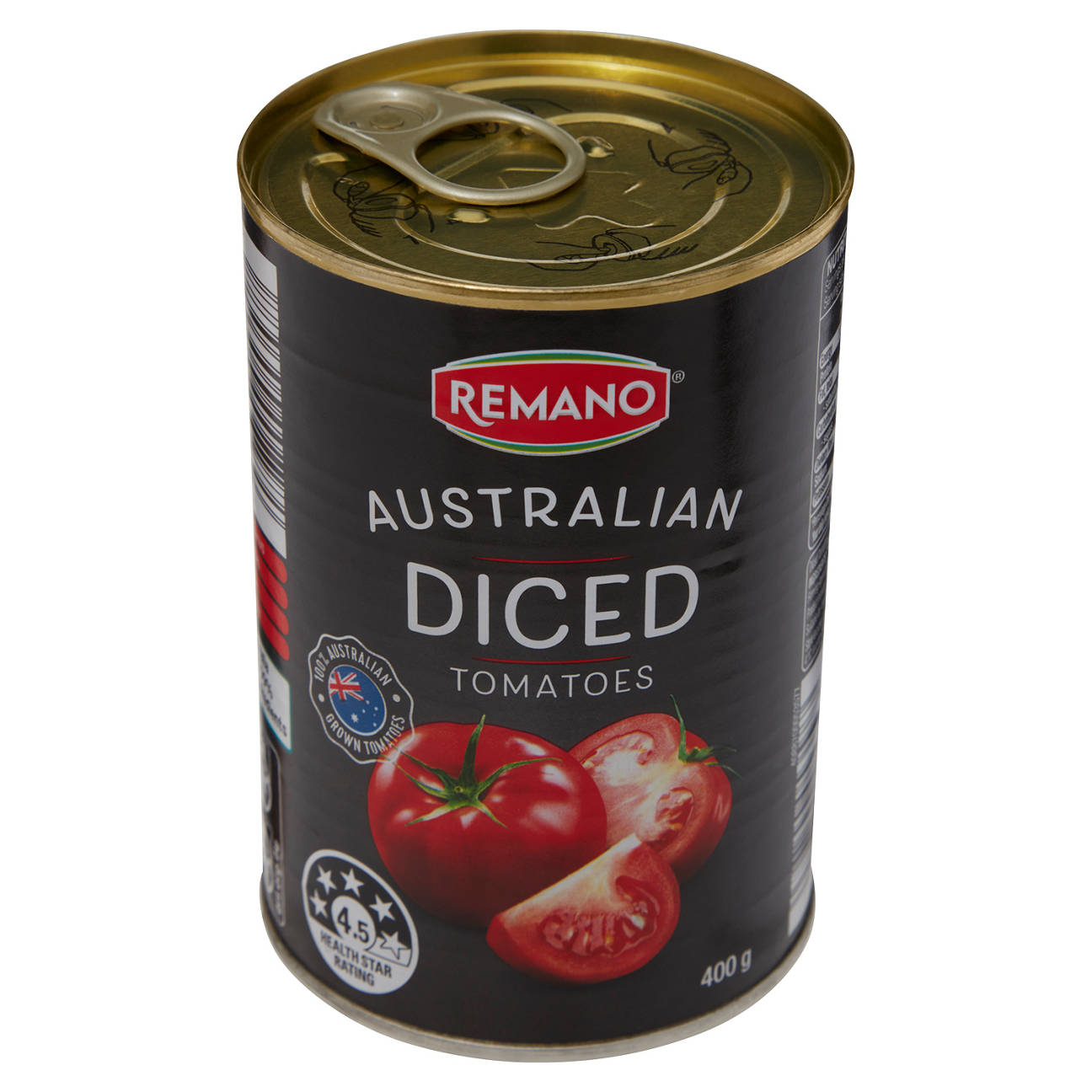
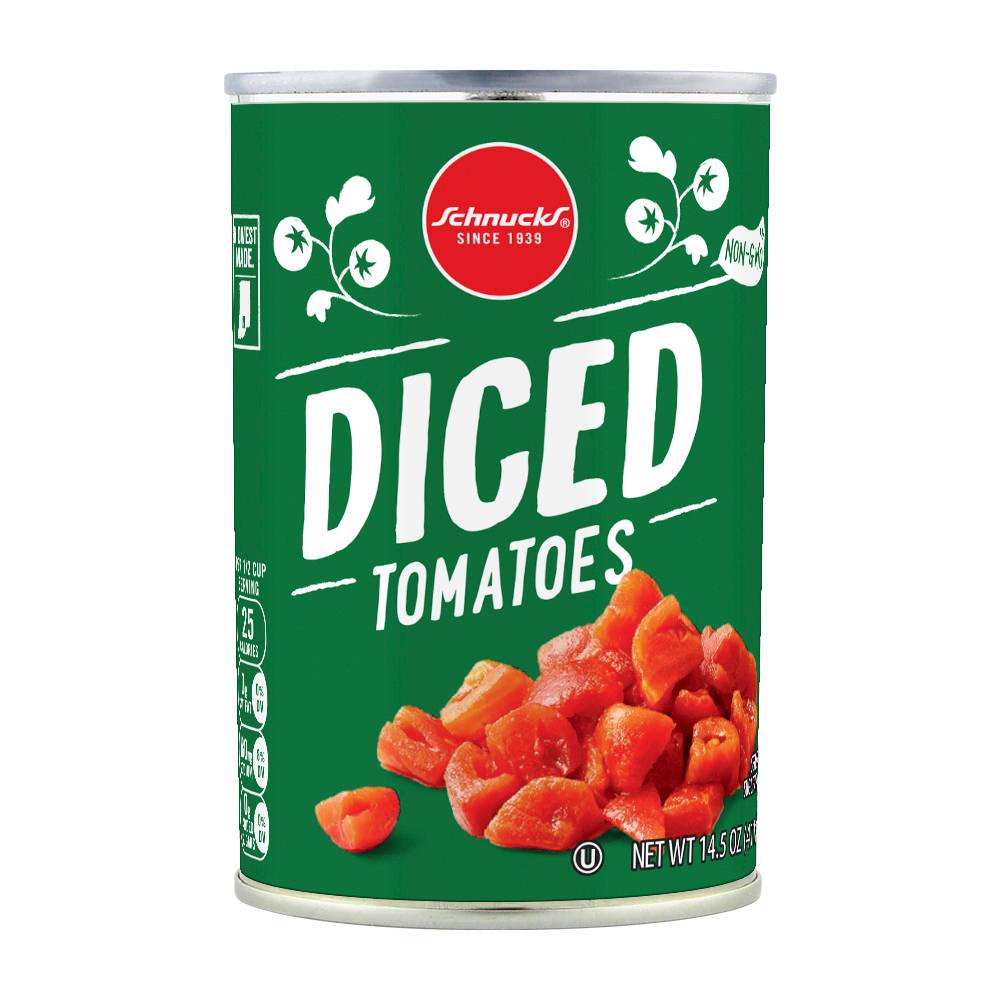
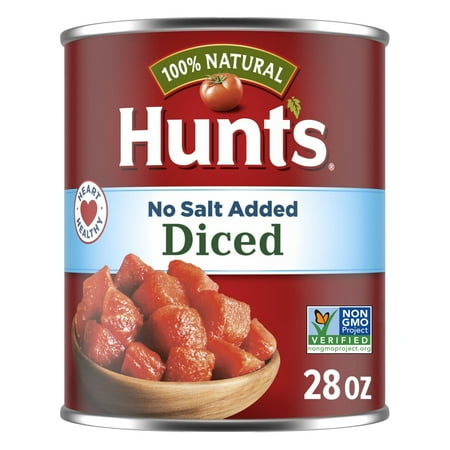
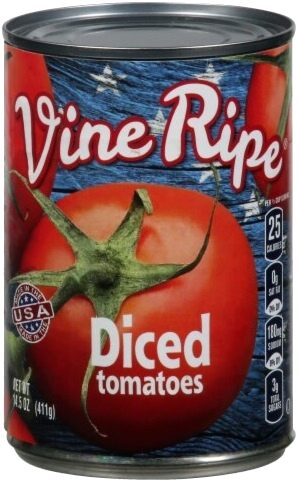
This product is primarily composed of tomatoes, which are rich in vitamins, minerals, and antioxidants like lycopene. However, it is classified as ultra-processed due to the inclusion of a firming agent and the processing involved in canning. Despite the high nutritional value of tomatoes, the processing level limits the score.
Key ingredients 4
TomatoesGood
Tomatoes are rich in vitamins and antioxidants, supporting overall health and immune function.
See more about Tomatoes →Diced TomatoesGood
Diced tomatoes retain the nutritional benefits of fresh tomatoes and add flavor to dishes.
See more about Diced Tomatoes →Tomato JuiceGood
Tomato juice provides additional nutrients and antioxidants from tomatoes in a convenient form.
See more about Tomato Juice →Firming Agent (509)Neutral
The firming agent helps maintain the texture of the product but does not contribute nutritional benefits.
Processing
Ultra-Processed Foods
Get the full breakdown in the Scout appTake Scout shopping
Scan any product to see lab results, healthy alternatives, and your personalized analysis.
Download on theApp Store GET IT ONGoogle Play