


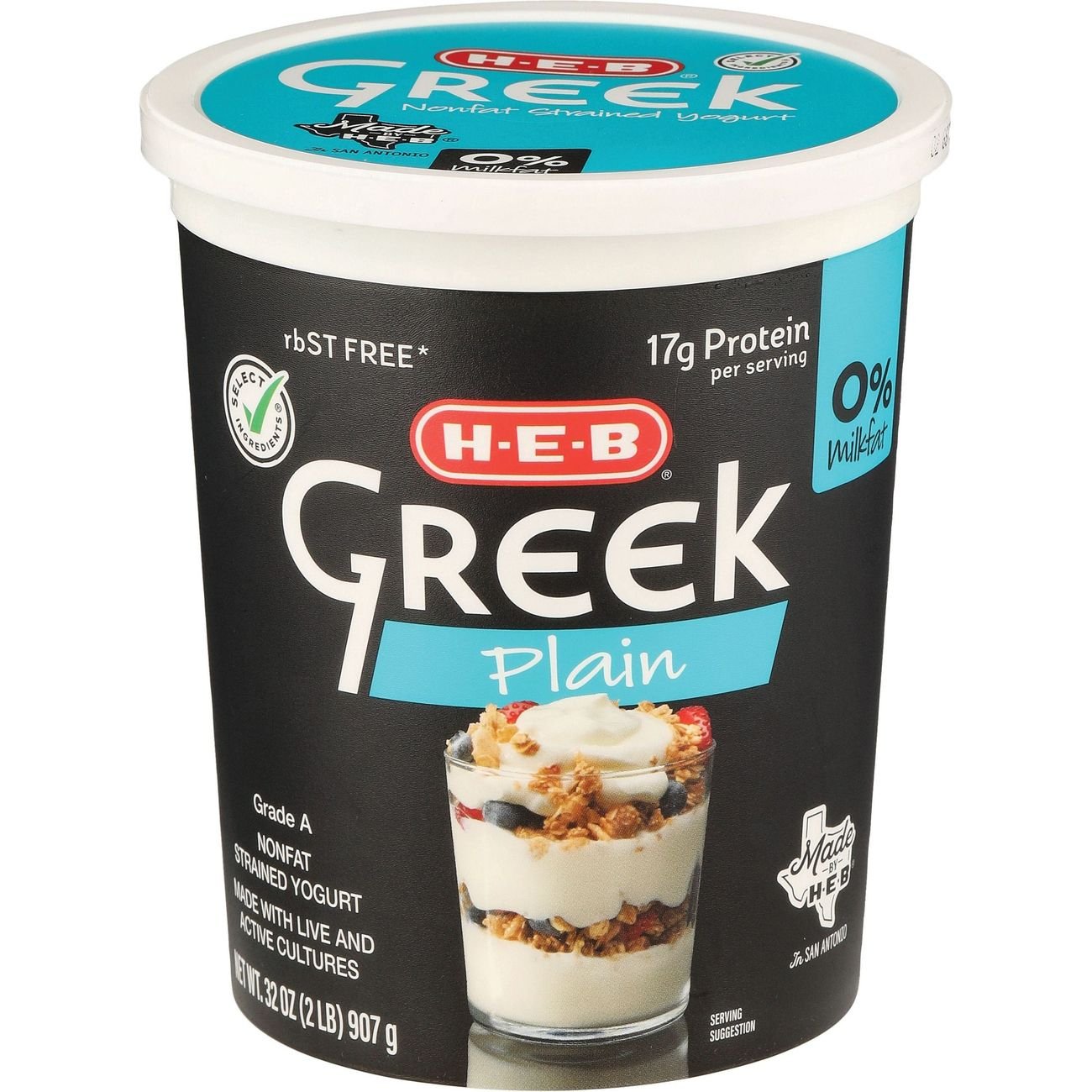

Greek Style Thick & Creamy Natural Yogurt
Analysis updated October 2026 · How Scout scores
At a glance
Summary
This Greek Style Thick & Creamy Natural Yogurt is minimally processed, containing only milk, milk solids, cream, and live yogurt cultures. The presence of live cultures supports gut health, while the use of whole milk and cream provides a balanced source of protein and healthy fats. The clean ingredient list and lack of additives contribute to its high rating.
Key ingredients 4
Live Yogurt CulturesVery Good
Live yogurt cultures are beneficial bacteria that promote gut health. They aid in digestion and enhance the immune system by maintaining a healthy balance of gut flora. The presence of live cultures is a key indicator of high-quality yogurt.
Benefits
Support digestive health and boost the immune system by maintaining a healthy gut microbiome.
MilkGood
Milk is a primary source of calcium and essential nutrients. It provides a good balance of protein and fats, supporting bone health and muscle function. The quality of milk can vary, but it is generally considered a beneficial ingredient in its natural form.
Risks
Potential risks include lactose intolerance or milk allergies in some individuals.
Benefits
Rich in calcium and vitamin D, which are crucial for bone health. Provides high-quality protein and essential fatty acids.
CreamGood
Cream from milk is a source of healthy fats and adds richness to dairy products. It enhances the flavor and texture of yogurt, making it more palatable. The fat content in cream can support the absorption of fat-soluble vitamins.
Risks
High in saturated fats, which should be consumed in moderation to avoid cardiovascular risks.
Benefits
Provides a rich source of energy and supports the absorption of fat-soluble vitamins like A, D, E, and K.
Milk SolidsNeutral
Milk solids are concentrated components of milk, including proteins and lactose. They are used to enhance the texture and nutritional profile of dairy products. While they add nutritional value, they do not offer additional benefits beyond those of regular milk.
Risks
May cause issues for those with lactose intolerance or milk protein allergies.
Benefits
Contribute to the protein content and creaminess of the yogurt.
Processing
Unprocessed or Minimally Processed Foods
Get the full breakdown in the Scout appTake Scout shopping
Scan any product to see lab results, healthy alternatives, and your personalized analysis.
Download on theApp Store GET IT ONGoogle Play