
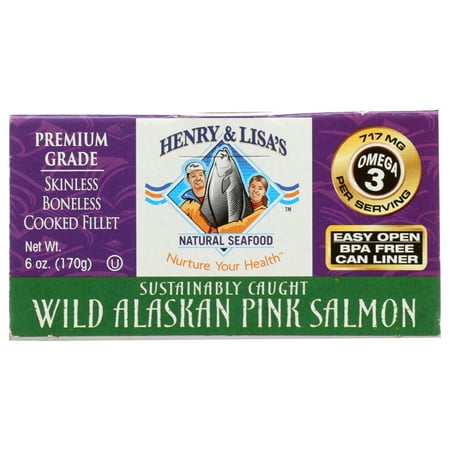
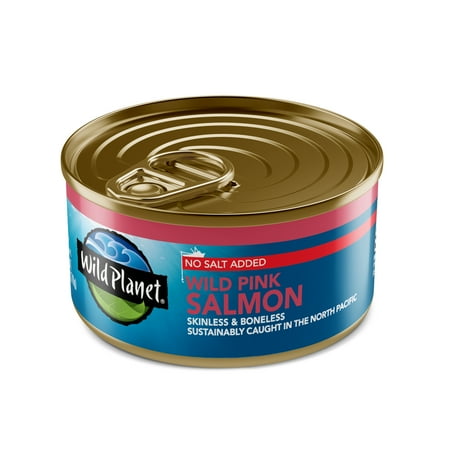
Wild Caught Pink Salmon
Summary
This product is primarily composed of wild-caught pink salmon, which is a high-quality source of protein and omega-3 fatty acids. However, it includes sodium tripolyphosphate as a preservative, which can increase sodium content and pose health concerns if consumed excessively. The presence of salt as a preservative also contributes to the sodium level, necessitating moderation in consumption.
At a glance
Key ingredients 6
Pink salmonVery Good
Pink salmon is a high-quality source of protein and omega-3 fatty acids. It is minimally processed and provides essential nutrients like vitamin D and selenium. Wild-caught salmon is generally considered superior due to its natural diet and lower contaminant levels.
Benefits
Rich in omega-3 fatty acids that support heart and brain health. Provides high-quality protein and essential nutrients like vitamin D and selenium.
WaterNeutral
Water is used as a medium for cooking and preserving the salmon. It is a neutral ingredient with no direct health impact. Its presence helps maintain moisture and texture in the product.
See more about Water →Sodium tripolyphosphateBad
Sodium tripolyphosphate is used as a preservative and moisture-retaining agent in seafood. It is a synthetic additive that can increase sodium content in foods. Excessive consumption may lead to health concerns related to high sodium intake.
Risks
May contribute to increased sodium intake, which is a concern for individuals with hypertension or cardiovascular issues.
Citric acidNeutral
Citric acid is a natural preservative and flavor enhancer. It is commonly used to maintain acidity and freshness in canned foods. Generally recognized as safe when used in moderation.
Benefits
Helps preserve the freshness and flavor of the product.
Sodium citrateNeutral
Sodium citrate is used as an acidity regulator and emulsifier in food products. It is a salt of citric acid and is generally recognized as safe. It helps maintain the stability and texture of the product.
Benefits
Helps maintain product stability and texture.
SaltNeutral
Salt is used as a seasoning and preservative in many food products. While essential in small amounts, excessive intake can lead to health issues such as hypertension. It is important to monitor consumption to avoid potential negative health impacts.
Risks
High sodium intake is associated with increased risk of hypertension and cardiovascular diseases.
Benefits
Enhances flavor and acts as a preservative.
Processing
Processed Foods
Get the full breakdown in the Scout app
Scan any product to see lab results, healthy alternatives, and your personalized analysis.
Download on theApp Store