

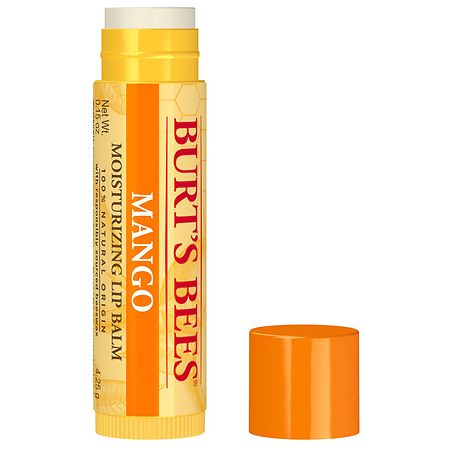

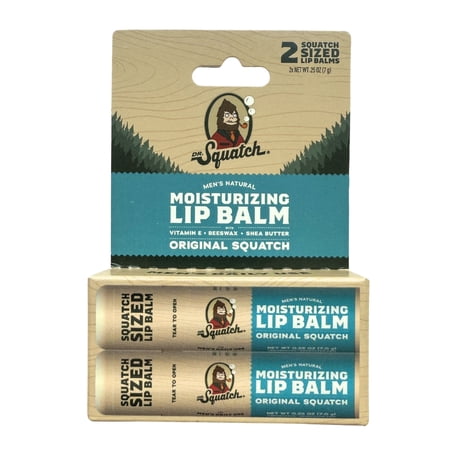
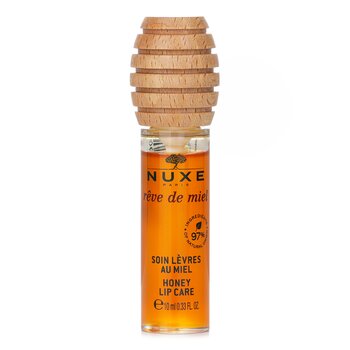
Yves Saint Laurent YSL Loveshine Plumping Lip Oil Gloss, Size: 0.2 Oz, 44 Nude Lavalliere
Analysis updated July 2026 · How Scout scores
At a glance
Summary
This lip oil gloss contains a mix of natural and synthetic ingredients. It includes beneficial components like hyaluronic acid and natural oils such as ginger root oil, which are known for their moisturizing properties. However, the presence of synthetic fragrance and other processed ingredients limits its score, as these can pose potential irritation risks and reduce the overall ingredient safety.
Key ingredients 26
PANTHENOLVery Good
Panthenol, also known as provitamin B5, is used for its moisturizing and soothing properties. It helps in improving skin hydration and reducing inflammation. It is highly regarded for its skin conditioning benefits.
Risks
There are minimal risks, with rare cases of skin irritation reported.
Benefits
It provides excellent hydration and soothing benefits, helping to maintain healthy lips.
ZINGIBER OFFICINALE ROOT OILGood
Zingiber officinale root oil, or ginger oil, is used for its warming and stimulating properties. It can enhance circulation and provide a plumping effect on the lips. It is generally considered safe in cosmetic formulations.
Risks
Potential risks include skin irritation or sensitization, especially in sensitive individuals.
Benefits
It provides a natural plumping effect and can enhance lip color vibrancy.
CANOLA OILGood
Canola oil is a plant-derived oil used for its emollient properties. It helps in moisturizing and conditioning the lips. It is considered safe and beneficial in cosmetics.
Risks
There are minimal risks, primarily related to potential allergic reactions in sensitive individuals.
Benefits
It provides excellent moisturizing properties, helping to keep lips soft and hydrated.
CAPSICUM FRUTESCENS FRUIT EXTRACTGood
Capsicum frutescens fruit extract, derived from chili peppers, is used for its warming and plumping effects. It can enhance blood flow and provide a fuller appearance to the lips. It is generally safe in cosmetic use.
Risks
Potential risks include irritation or burning sensation, especially in sensitive individuals.
Benefits
It provides a natural plumping effect and can enhance lip color vibrancy.
FICUS CARICA FRUIT EXTRACTGood
Ficus carica fruit extract, or fig extract, is used for its antioxidant properties. It helps in protecting the skin from environmental stressors and provides hydration. It is considered safe for use in cosmetics.
Risks
There are minimal risks, primarily related to potential allergic reactions.
Benefits
It provides antioxidant benefits and helps in maintaining skin hydration.
HYALURONIC ACIDGood
Hyaluronic acid is a powerful humectant used to attract and retain moisture in the skin. It provides deep hydration and helps in maintaining skin elasticity. It is highly regarded for its moisturizing properties.
Risks
There are minimal risks, with rare cases of allergic reactions reported.
Benefits
It provides excellent hydration, helping to keep lips plump and moisturized.
CAPRYLIC/CAPRIC TRIGLYCERIDEGood
Caprylic/capric triglyceride is an emollient derived from coconut oil and glycerin. It helps in moisturizing and conditioning the skin. It is considered safe and beneficial in cosmetics.
Risks
There are minimal risks, primarily related to potential allergic reactions in sensitive individuals.
Benefits
It provides excellent moisturizing properties, helping to keep lips soft and hydrated.
TOCOPHERYL ACETATEGood
Tocopheryl acetate is a form of vitamin E used for its antioxidant properties. It helps in protecting the skin from environmental damage and provides moisturizing benefits. It is considered safe and beneficial in cosmetics.
Risks
There are minimal risks, primarily related to potential allergic reactions in sensitive individuals.
Benefits
It provides antioxidant protection and helps in maintaining skin hydration.
POLYBUTENENeutral
Polybutene is a synthetic polymer used as a thickening agent in cosmetics. It provides a glossy finish and helps in the even application of the product. It is generally considered safe for use in cosmetics.
Risks
There are minimal risks associated with polybutene, primarily related to potential skin irritation in sensitive individuals.
Benefits
Polybutene helps in achieving a smooth and glossy texture, enhancing the aesthetic appeal of lip products.
HYDROGENATED POLYISOBUTENENeutral
Hydrogenated polyisobutene is a synthetic emollient used to enhance the texture and moisture retention of cosmetic products. It is a stable ingredient that provides a non-greasy feel. It is widely used and considered safe.
Risks
There are no significant risks associated with hydrogenated polyisobutene, though it may cause mild irritation in rare cases.
Benefits
It provides a smooth application and helps in retaining moisture on the lips.
DIISOSTEARYL MALATENeutral
Diisostearyl malate is an ester used as an emollient and thickening agent in cosmetics. It contributes to the smooth application and long-lasting wear of lip products. It is considered safe for use in cosmetics.
Risks
There are minimal risks, with rare cases of skin irritation reported.
Benefits
It enhances the texture and longevity of lip products, providing a smooth and comfortable feel.
TRIDECYL TRIMELLITATENeutral
Tridecyl trimellitate is an ester used as an emollient and film-forming agent in cosmetics. It helps in providing a smooth application and enhances the product's wear time. It is generally recognized as safe.
Risks
Potential risks are minimal, with rare instances of skin irritation.
Benefits
It improves the texture and durability of lip products, contributing to a smooth finish.
SILICA DIMETHYL SILYLATENeutral
Silica dimethyl silylate is a modified silica used to enhance the texture and stability of cosmetic products. It provides a matte finish and helps in oil absorption. It is considered safe for use.
Risks
Inhalation of silica particles can be a concern, but this risk is minimal in lip products.
Benefits
It helps in achieving a matte finish and improves the stability of the product.
CALCIUM SODIUM BOROSILICATENeutral
Calcium sodium borosilicate is a glass-like compound used to add shimmer and shine to cosmetics. It is inert and considered safe for use in cosmetics.
Risks
There are minimal risks associated with this ingredient, primarily related to potential irritation.
Benefits
It provides a shimmering effect, enhancing the visual appeal of lip products.
OCTYLDODECANOLNeutral
Octyldodecanol is a fatty alcohol used as an emollient and texture enhancer in cosmetics. It provides a smooth application and helps in moisture retention. It is considered safe for use.
Risks
There are minimal risks, with rare cases of skin irritation reported.
Benefits
It enhances the texture and moisture retention of lip products.
TIN OXIDENeutral
Tin oxide is used as an opacifying agent and to add shine in cosmetics. It is inert and considered safe for use in cosmetic formulations.
Risks
There are minimal risks associated with tin oxide, primarily related to potential irritation.
Benefits
It enhances the shine and opacity of cosmetic products.
SORBITAN ISOSTEARATENeutral
Sorbitan isostearate is an emulsifier used to stabilize cosmetic formulations. It helps in maintaining the consistency and texture of the product. It is considered safe for use in cosmetics.
Risks
There are minimal risks, with rare cases of skin irritation reported.
Benefits
It helps in stabilizing the formulation, ensuring a consistent texture.
CALCIUM TITANIUM BOROSILICATENeutral
Calcium titanium borosilicate is used to add shimmer and shine to cosmetics. It is a stable and inert ingredient, considered safe for use.
Risks
There are minimal risks associated with this ingredient, primarily related to potential irritation.
Benefits
It provides a shimmering effect, enhancing the visual appeal of lip products.
GLYCERYL CAPRYLATENeutral
Glyceryl caprylate is an emollient and emulsifier used in cosmetics. It helps in maintaining the moisture balance and stability of the product. It is considered safe for use.
Risks
There are minimal risks, with rare cases of skin irritation reported.
Benefits
It enhances the moisture retention and stability of cosmetic formulations.
METHYL NICOTINATENeutral
Methyl nicotinate is used for its warming and vasodilating effects in cosmetics. It can enhance blood flow and provide a plumping effect. It is generally considered safe for use.
Risks
Potential risks include skin irritation or redness, especially in sensitive individuals.
Benefits
It provides a warming sensation and can enhance the appearance of fuller lips.
POLYGLYCERYL-2 TRIISOSTEARATENeutral
Polyglyceryl-2 triisostearate is an emulsifier used to stabilize cosmetic formulations. It helps in maintaining the consistency and texture of the product. It is considered safe for use in cosmetics.
Risks
There are minimal risks, with rare cases of skin irritation reported.
Benefits
It helps in stabilizing the formulation, ensuring a consistent texture.
DEHYDROACETIC ACIDNeutral
Dehydroacetic acid is a preservative used to prevent microbial growth in cosmetics. It helps in extending the shelf life of the product. It is considered safe for use in cosmetics.
Risks
There are minimal risks, with rare cases of skin irritation reported.
Benefits
It helps in preserving the product, ensuring its safety and longevity.
CI 77491Neutral
CI 77491 is an iron oxide pigment used to add color to cosmetics. It is stable and considered safe for use in cosmetic formulations.
Risks
There are minimal risks associated with iron oxides, primarily related to potential irritation.
Benefits
It provides color to cosmetic products, enhancing their visual appeal.
CI 77492Neutral
CI 77492 is an iron oxide pigment used to add color to cosmetics. It is stable and considered safe for use in cosmetic formulations.
Risks
There are minimal risks associated with iron oxides, primarily related to potential irritation.
Benefits
It provides color to cosmetic products, enhancing their visual appeal.
CI 77891Neutral
CI 77891, also known as titanium dioxide, is used as a pigment and opacifying agent in cosmetics. It is stable and considered safe for use in cosmetic formulations.
Risks
There are minimal risks associated with titanium dioxide, primarily related to potential irritation.
Benefits
It provides opacity and color to cosmetic products, enhancing their visual appeal.
PARFUMBad
Parfum, or fragrance, is used to add scent to cosmetic products. It can contain a mixture of various chemicals, some of which may cause irritation or allergic reactions. It is often criticized for its potential to cause skin sensitization.
Risks
Fragrance can cause skin irritation, allergic reactions, and sensitization, especially in sensitive individuals.
Benefits
It provides a pleasant scent to cosmetic products, enhancing the user experience.
Get the full breakdown in the Scout appTake Scout shopping
Scan any product to see lab results, healthy alternatives, and your personalized analysis.
Download on theApp Store GET IT ONGoogle Play