
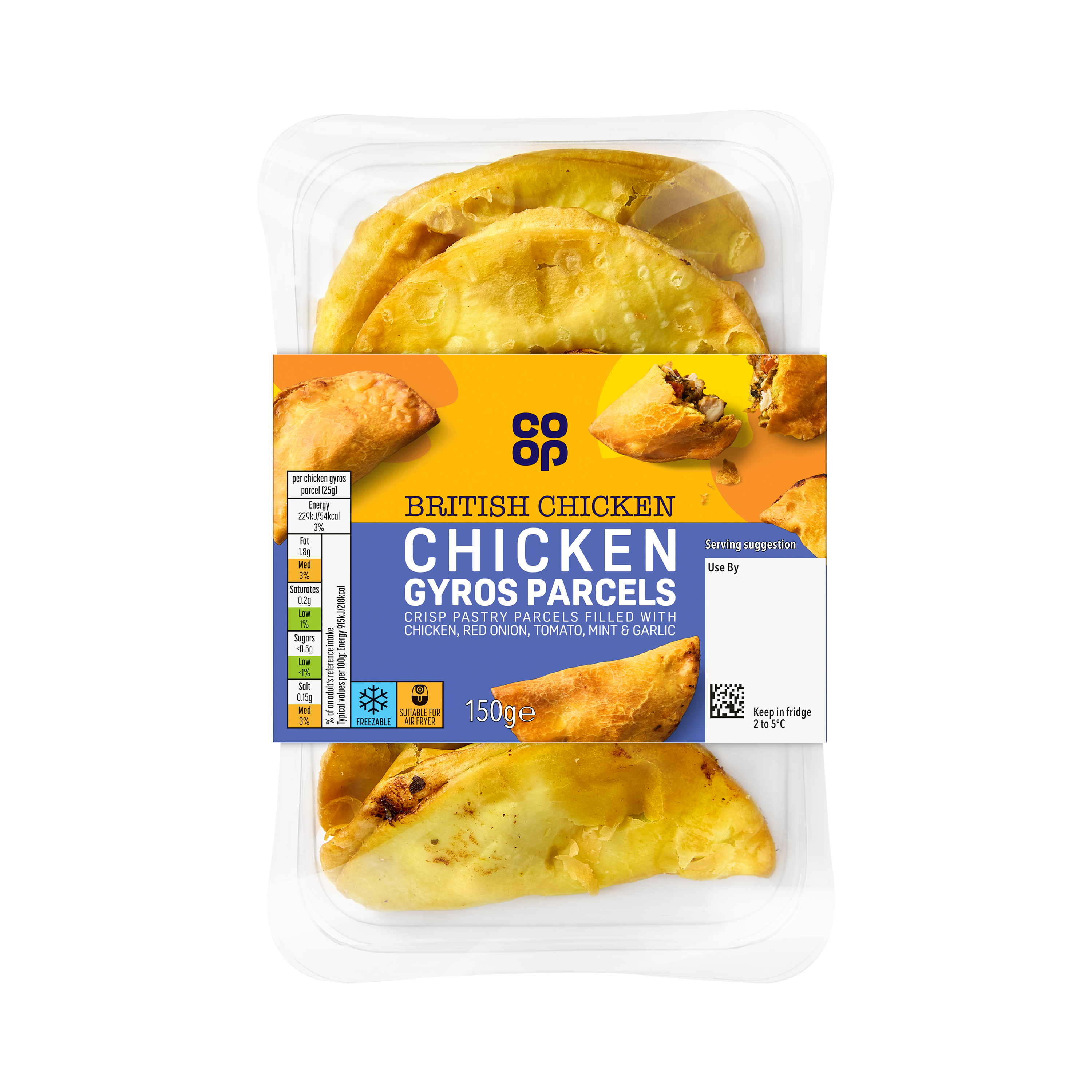


At a glance
Summary
The Chicken Gyros Parcels contain beneficial ingredients like chicken breast and tomatoes, which provide lean protein and essential nutrients. However, the presence of rapeseed oil, a seed oil high in omega-6 fatty acids, is a concern due to its potential inflammatory effects. The product is moderately processed, which limits its score despite the inclusion of some fortified nutrients.
Key ingredients 10
IronGood
Iron is a vital mineral necessary for oxygen transport in the blood. It is often added to foods to prevent iron deficiency anemia. Fortified iron can improve the nutritional profile of processed foods.
Risks
Excessive iron intake can lead to toxicity and organ damage.
Benefits
Prevents iron deficiency anemia and supports oxygen transport in the body.
NiacinGood
Beneficial ingredient — whole-food or functional value in this product class.
Risks
High doses can cause flushing, liver damage, and gastrointestinal issues.
Benefits
Supports energy metabolism and DNA repair.
Chicken BreastGood
Chicken breast is a high-quality source of lean protein. It provides essential amino acids necessary for muscle repair and growth. As a minimally processed ingredient, it is a healthier protein option.
Benefits
Rich in lean protein and essential amino acids, supporting muscle repair and growth.
TomatoesGood
Tomatoes are a nutrient-dense fruit rich in vitamins A and C, potassium, and antioxidants like lycopene. They support heart health and may reduce the risk of certain cancers. As a whole food, they are minimally processed and beneficial.
Benefits
Rich in vitamins and antioxidants, supporting heart health and reducing cancer risk.
Fortified Wheat FlourNeutral
Fortified wheat flour is enriched with vitamins and minerals such as iron and folic acid. It is a common ingredient in processed foods to enhance nutritional value. However, it is still a refined carbohydrate that can impact blood sugar levels.
Risks
Refined carbohydrates can lead to spikes in blood sugar and may contribute to weight gain if consumed in excess.
Benefits
Fortification adds essential nutrients like iron and folic acid, which can help prevent deficiencies.
Calcium CarbonateNeutral
Calcium carbonate is used as a dietary supplement to provide calcium. It is often added to foods to enhance calcium content. While beneficial for bone health, excessive intake can lead to health issues.
Risks
Excessive calcium intake can lead to kidney stones and impaired absorption of other minerals.
Benefits
Supports bone health by providing a source of calcium.
Folic AcidNeutral
Standard formulation ingredient — neither beneficial nor harmful at typical use.
Benefits
Essential for DNA synthesis and cell division, particularly important during pregnancy.
ThiaminNeutral
Thiamin, or vitamin B1, is essential for carbohydrate metabolism and nerve function. It is often added to foods to prevent deficiencies. While beneficial, it is typically not a concern unless deficient.
Benefits
Supports carbohydrate metabolism and nerve function.
Wheat FlourBad
Refined grain flour stripped of bran and germ.
Risks
Consumption of refined grains can lead to increased blood sugar levels and may contribute to weight gain.
Benefits
Provides energy through carbohydrates and some protein content.
Rapeseed OilVery Bad
Rapeseed oil, also known as canola oil, is a seed oil high in omega-6 fatty acids. It is often highly processed and refined, which can reduce its nutritional quality. High omega-6 content may promote inflammation when consumed in excess.
Risks
High omega-6 content may promote inflammation and is associated with an increased risk of chronic diseases when consumed in excess.
Processing
Processed Foods
Get the full breakdown in the Scout appTake Scout shopping
Scan any product to see lab results, healthy alternatives, and your personalized analysis.
Download on theApp Store GET IT ONGoogle Play