


At a glance
Summary
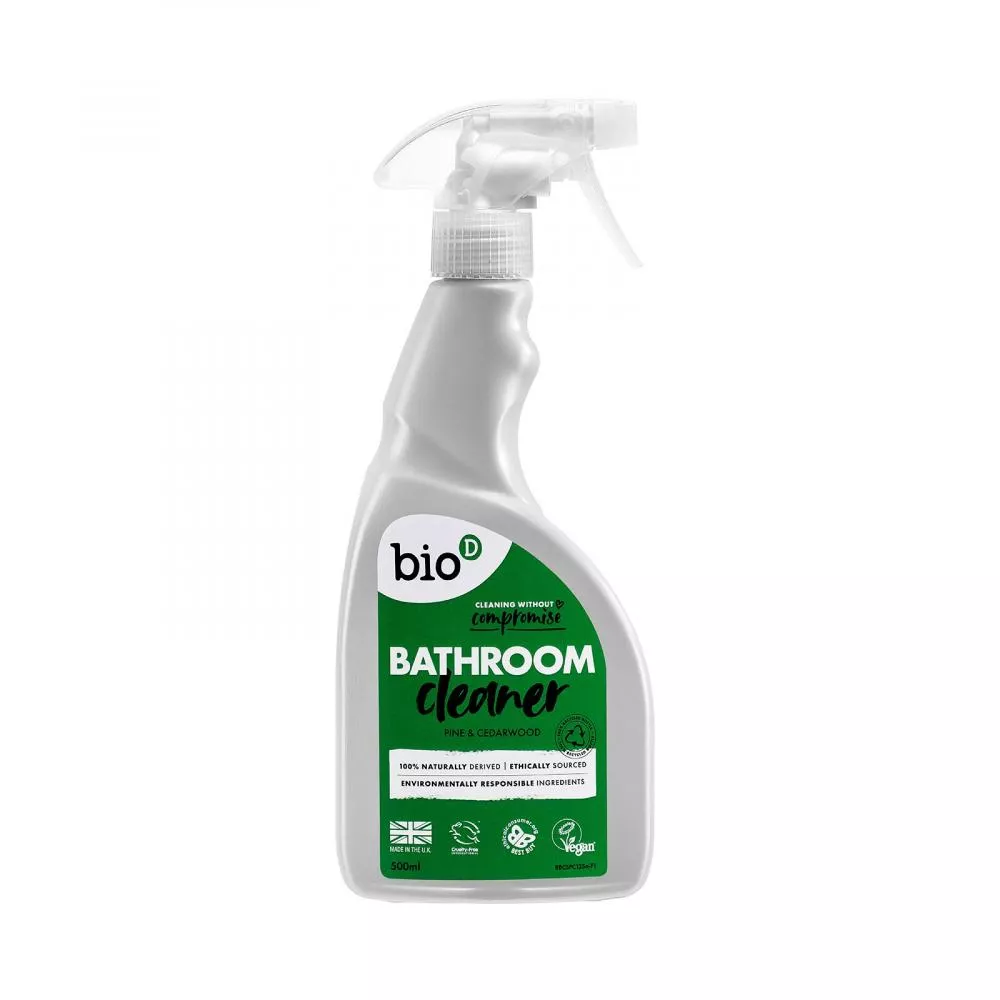
This bathroom cleaner features a formulation based on biodegradable and environmentally friendly ingredients, such as citric acid and detergents derived from coconut oil. These components are mild, effective, and less irritating compared to harsher chemicals. The absence of synthetic fragrances and harmful surfactants like SLS or SLES further enhances its safety and eco-friendliness, making it a top-tier choice for indoor use.
Key ingredients 5
A blend of detergents derived from Coconut OilGood
Detergents derived from coconut oil are typically milder than synthetic surfactants. They are used for their cleaning and foaming properties. These detergents are often biodegradable and less irritating to the skin.
Risks
Some individuals may still experience mild irritation from coconut-derived detergents.
Benefits
Coconut-derived detergents are effective at cleaning while being gentle on the skin and the environment.
AquaNeutral
Aqua, or water, is a common solvent used in cleaning products. It acts as a carrier for other ingredients. It is generally considered safe and non-toxic.
Risks
There are no significant risks associated with water in cleaning products.
Benefits
Water helps to dissolve other ingredients and facilitates the cleaning process.
Citric AcidNeutral
Common acidulant and preservative — safe at typical use levels, neither beneficial nor harmful.
Risks
In high concentrations, citric acid can cause skin irritation.
Benefits
Citric acid is effective at removing hard water stains and is a safer alternative to harsher chemicals.
Vegetable GlycerineNeutral
Vegetable glycerine is a humectant that helps retain moisture. It is often used in cleaning products to prevent drying out surfaces. It is generally considered safe and non-toxic.
Risks
There are minimal risks associated with vegetable glycerine in cleaning products.
Benefits
Vegetable glycerine can help maintain moisture balance on surfaces, preventing them from drying out.
A balanced blend of Sodium SaltsNeutral
Sodium salts are used in cleaning products for their ability to enhance cleaning performance. They can act as water softeners or pH adjusters. The specific function depends on the type of sodium salt used.
Risks
Some sodium salts can cause irritation if not properly formulated.
Benefits
Sodium salts can improve the effectiveness of cleaning agents and help maintain product stability.
Processing
Unprocessed or Minimally Processed Foods
Get the full breakdown in the Scout appTake Scout shopping
Scan any product to see lab results, healthy alternatives, and your personalized analysis.
Download on theApp Store GET IT ONGoogle Play