
Ingredient
Vegetable Glycerine
What is Vegetable Glycerine?
Vegetable Glycerine, also known as glycerol, is a clear, odorless liquid produced from plant oils, commonly palm oil, soy, or coconut oil. It is created via hydrolysis where the oil's triglycerides are split into glycerine and fatty acids.
It is used in foods to retain moisture, improve texture, and add a sweetness that's not overpowering. Research indicates it is safe for consumption, with minimal impact on blood sugar levels. However, excessive intake may lead to digestive discomfort.
When you see it on a label, know it's typically a vegetable-derived product used to enhance texture and moisture, considered safe within conventional usage limits.
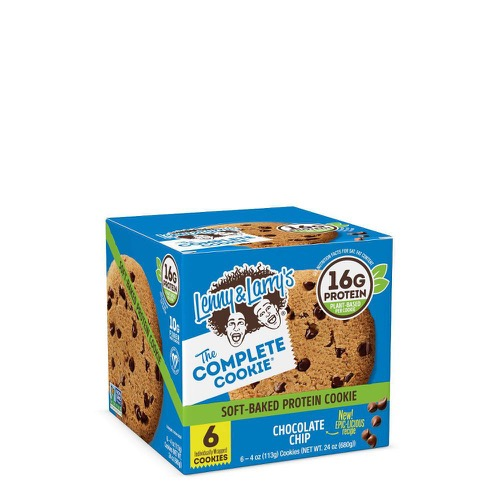
Commonly found in: Cookies, Cakes, Energy Bars, Icing, Pastries
What to watch
- High doses may cause digestive issues such as diarrhea and flatulence.
Benefits
- Vegetable glycerine retains moisture and can improve the texture of baked goods.
Vegetable glycerine is recognized as Generally Recognized As Safe (GRAS) by the FDA for its typical uses in food.
Research shows glycerine is safe for general consumption with minor side effects when consumed in large quantities.
Vegetable glycerine is plant-derived and generally accepted by vegans.
Sources: Overview of Glycerol Production Methods · FDA GRAS Notices
Scout's take
Highly processed sugar alcohol used as humectant.
Found in 1 product
Scan any product to see every ingredient explained — and healthier swaps.
Download on theApp Store GET IT ONGoogle Play