
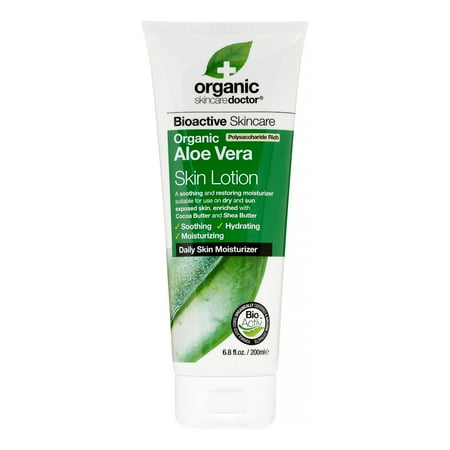
Organic Doctor Aloe Vera Skin Lotion, 6.8 Fl Oz
Analysis updated August 2026 · How Scout scores
At a glance
Summary
This body lotion contains beneficial ingredients like aloe vera, sunflower seed oil, cocoa butter, and shea butter, which are known for their moisturizing and soothing properties. However, the presence of 'fragrance' introduces potential skin irritation risks due to undisclosed chemical components. The product is moderately processed, which slightly impacts its overall rating despite the presence of natural ingredients.
Key ingredients 13
Aloe barbadensis leaf juiceVery Good
Aloe vera is known for its soothing and moisturizing properties, making it an excellent ingredient for skin care. It contains vitamins, enzymes, and amino acids that help to hydrate and calm irritated skin.
Risks
There are minimal risks associated with aloe vera, though some individuals may experience allergic reactions.
Benefits
Aloe vera can help to soothe sunburn, moisturize the skin, and reduce inflammation.
Helianthus Annuus (Sunflower) Seed OilVery Good
Sunflower seed oil is rich in vitamins A, D, and E, and is known for its emollient properties. It helps to retain moisture in the skin and provides a protective barrier.
Risks
There are minimal risks, though it may cause allergic reactions in individuals with sunflower seed allergies.
Benefits
It is beneficial for maintaining skin hydration and improving skin barrier function.
Shea ButterVery Good
Shea butter is a natural fat obtained from the nuts of the shea tree, known for its rich moisturizing properties. It is widely used to soothe and hydrate dry skin.
Risks
There are minimal risks, though it may cause allergic reactions in individuals with nut allergies.
Benefits
It helps to deeply moisturize and soften the skin, improving its overall texture.
Caprylic/Capric triglycerideGood
This ingredient is derived from coconut oil and glycerin, and is used as an emollient to provide a lightweight, non-greasy barrier on the skin. It helps to improve the spreadability of lotions.
Risks
There are minimal risks associated with this ingredient, though it may cause irritation in very sensitive individuals.
Benefits
It helps to moisturize and soften the skin without leaving a greasy residue.
Glycyrrhetinic AcidGood
Glycyrrhetinic acid is derived from licorice root and is known for its anti-inflammatory and soothing properties. It is often used to calm irritated skin.
Risks
There are minimal risks, though it may cause irritation in very sensitive individuals.
Benefits
It helps to reduce redness and inflammation, making it beneficial for sensitive skin.
Cocoa ButterGood
Cocoa butter is a natural fat extracted from cocoa beans, known for its moisturizing and emollient properties. It helps to nourish and protect the skin.
Risks
There are minimal risks, though it may cause breakouts in acne-prone skin.
Benefits
It provides deep hydration and helps to improve skin elasticity.
AquaNeutral
Water is a common solvent used in cosmetics to dissolve other ingredients and provide hydration. It is essential for the formulation of lotions and creams.
Risks
There are no significant risks associated with water in cosmetic formulations.
Benefits
Water helps to hydrate the skin and acts as a carrier for other beneficial ingredients.
Polyglyceryl-3 methylglucose distearateNeutral
This is an emulsifier used to blend oil and water components in lotions. It is derived from natural sources and is considered safe for use in cosmetics.
Risks
There are no significant risks associated with this ingredient.
Benefits
It helps to stabilize the formulation and improve the texture of the lotion.
Xanthan GumNeutral
Xanthan gum is a natural thickening agent used to stabilize and thicken cosmetic formulations. It is derived from the fermentation of sugars.
Risks
There are minimal risks associated with xanthan gum, though it may cause irritation if used in high concentrations.
Benefits
It helps to improve the texture and consistency of the lotion.
Citric acidNeutral
Citric acid is used to adjust the pH of cosmetic formulations. It is naturally found in citrus fruits and is considered safe for use in cosmetics.
Risks
In high concentrations, it may cause skin irritation.
Benefits
It helps to maintain the stability and effectiveness of the product.
Potassium sorbateBad
Synthetic preservative — flagged in daily-use products.
Risks
In rare cases, it may cause skin irritation or allergic reactions.
Benefits
It helps to extend the shelf life of the product by preventing microbial growth.
CitralBad
Processed additive flagged under Scout's ingredient doctrine.
Risks
Citral can cause skin sensitization and allergic reactions in some individuals.
Benefits
It adds a fresh, citrus scent to the product.
FragranceVery Bad
Fragrance is often a mixture of various chemicals and can be a common cause of skin irritation and allergies. It is not always disclosed what specific chemicals are used.
Risks
Fragrance can cause allergic reactions and skin irritation, especially in sensitive individuals.
Benefits
It provides a pleasant scent to the product, enhancing user experience.
Processing
Processed Foods
Get the full breakdown in the Scout appTake Scout shopping
Scan any product to see lab results, healthy alternatives, and your personalized analysis.
Download on theApp Store GET IT ONGoogle PlayAmazon pricing & content
Amazon price as of . Product prices and availability are accurate as of the date/time indicated and are subject to change. Any price and availability information displayed on Amazon.com at the time of purchase will apply to the purchase of this product.
CERTAIN CONTENT THAT APPEARS ON THIS SITE COMES FROM AMAZON. THIS CONTENT IS PROVIDED “AS IS” AND IS SUBJECT TO CHANGE OR REMOVAL AT ANY TIME.