


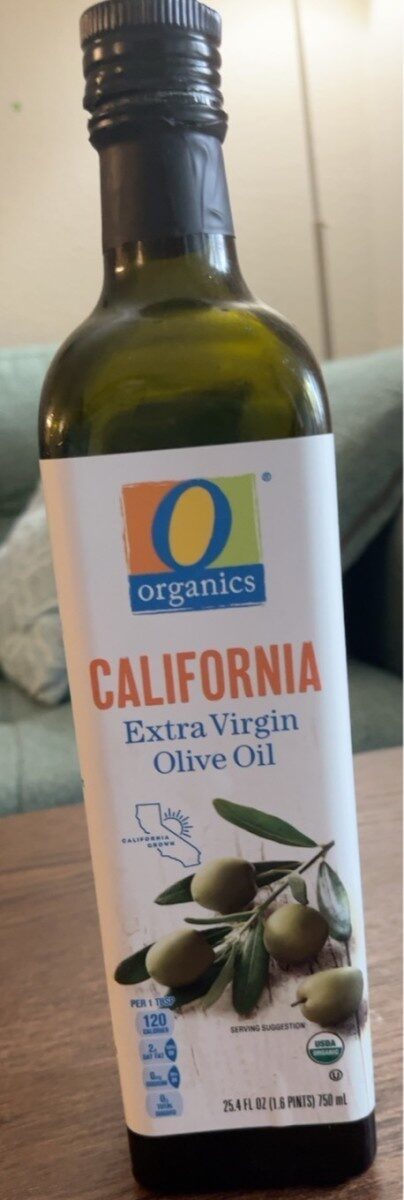
Olive oil
Analysis updated July 2026 · How Scout scores
At a glance
Summary
This olive oil is composed of beneficial monounsaturated and polyunsaturated fatty acids, such as oleic and linoleic acids, which are known for their heart health benefits and anti-inflammatory properties. The product is minimally processed, maintaining the integrity of its natural ingredients, and lacks any harmful additives or seed oils, making it a healthy choice for culinary use.
Key ingredients 5
Oleic acidNeutral
Oleic acid is a monounsaturated fat that is naturally abundant in olive oil, contributing to its heart-healthy reputation without posing significant health risks.
See more about Oleic acid →Linoleic acidNeutral
Linoleic acid is an essential polyunsaturated fat found in olive oil, important for maintaining cell health and function.
See more about Linoleic acid →Palmitic acidNeutral
Palmitic acid is a common saturated fat present in olive oil, naturally occurring and generally considered safe in moderation.
See more about Palmitic acid →Palmitoleic acidNeutral
Palmitoleic acid is a monounsaturated fat that occurs naturally in olive oil, contributing to its nutritional profile without known risks.
Stearic acidNeutral
Stearic acid is a saturated fat found in olive oil that is considered to have a neutral impact on health when consumed as part of a balanced diet.
See more about Stearic acid →Processing
Processed Culinary Ingredients
Get the full breakdown in the Scout appTake Scout shopping
Scan any product to see lab results, healthy alternatives, and your personalized analysis.
Download on theApp Store GET IT ONGoogle PlayAmazon pricing & content
Amazon price as of . Product prices and availability are accurate as of the date/time indicated and are subject to change. Any price and availability information displayed on Amazon.com at the time of purchase will apply to the purchase of this product.
CERTAIN CONTENT THAT APPEARS ON THIS SITE COMES FROM AMAZON. THIS CONTENT IS PROVIDED “AS IS” AND IS SUBJECT TO CHANGE OR REMOVAL AT ANY TIME.