


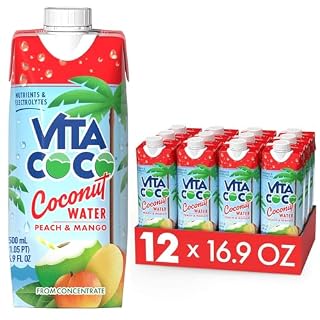
At a glance
Summary
This product is ultra-processed, which limits its potential health score despite containing beneficial ingredients like mango mixture, calcium, and vitamins. The presence of additives such as modified starch and natural flavors, along with the processing level, further impacts its rating. While it includes some health-supporting components, the overall processing and use of vague ingredients like natural flavors reduce its score.
Key ingredients 15
Mango mixtureGood
Mango mixture provides natural sugars and vitamins, contributing to the product's flavor and nutritional profile. It contains vitamin C and beta-carotene, which are beneficial for immune function and skin health. The use of fruit and juice concentrate enhances the natural sweetness without added sugars.
Benefits
Rich in vitamins and antioxidants, supporting immune health and providing natural sweetness.
Tricalcium citrateGood
Tricalcium citrate is a calcium salt used to fortify foods with calcium, supporting bone health. It is well-absorbed and less likely to cause digestive discomfort compared to other calcium supplements. Its inclusion helps meet daily calcium requirements.
Benefits
Supports bone health by providing a bioavailable source of calcium.
Sea saltGood
Sea salt is a minimally processed salt that contains trace minerals. It is used to enhance flavor and provide essential sodium. Unlike refined salt, it retains some beneficial minerals.
Risks
Excessive consumption can contribute to high blood pressure.
Benefits
Provides essential sodium and trace minerals, enhancing flavor.
Tocopherol-rich extractsGood
Tocopherol-rich extracts are natural antioxidants derived from vitamin E sources. They help preserve the product by preventing oxidation. These extracts can support skin health and immune function.
Benefits
Acts as an antioxidant, supporting skin health and preserving product quality.
Vitamins B2, B12, D2Good
Vitamins B2, B12, and D2 are essential nutrients that support various bodily functions. B2 aids in energy production, B12 is crucial for nerve function, and D2 supports bone health. Fortification helps meet daily nutritional requirements.
Benefits
Supports energy production, nerve function, and bone health.
Yogurt culturesGood
Yogurt cultures, including S. thermophilus and L. bulgaricus, are beneficial probiotics that support gut health. They aid in digestion and improve the balance of gut microbiota. The presence of live cultures enhances the nutritional profile of the product.
Benefits
Supports gut health and digestion through beneficial probiotics.
WaterNeutral
Water is a neutral ingredient that serves as a base for the product. It is essential for hydration but does not provide additional nutritional benefits. It is typically free from health risks when sourced and processed properly.
Benefits
Essential for hydration and acts as a solvent for other ingredients.
Peeled soybeansNeutral
Peeled soybeans are a source of plant-based protein and fiber. They provide essential amino acids but may pose allergy risks for some individuals. The processing of soybeans can affect nutrient absorption and digestibility.
Risks
May cause allergic reactions in sensitive individuals.
Benefits
Provides plant-based protein and fiber, contributing to satiety and digestive health.
PectinsNeutral
Pectins are natural gelling agents derived from fruits, used to stabilize and thicken products. They are generally safe and contribute to the texture of the product. Pectins can aid in digestion by acting as soluble fiber.
Benefits
Acts as a soluble fiber, potentially aiding in digestion and providing texture.
Sodium citratesNeutral
Sodium citrates are used as acidity regulators and stabilizers in food products. They help maintain the pH balance and improve shelf life. Generally recognized as safe, they have minimal nutritional impact.
Benefits
Helps maintain product stability and pH balance.
Citric acidNeutral
Citric acid is a natural preservative and flavor enhancer found in citrus fruits. It is used to add acidity and improve flavor stability. While generally safe, excessive consumption may cause dental erosion.
Risks
Excessive consumption may lead to dental erosion.
Benefits
Enhances flavor and acts as a natural preservative.
Modified starchNeutral
Modified starch is used as a thickening agent and stabilizer in processed foods. It is derived from natural starches but chemically altered to improve functionality. While generally safe, it provides little nutritional value.
Benefits
Improves texture and stability of the product.
Fatty acid esters of ascorbic acidNeutral
Fatty acid esters of ascorbic acid are used as antioxidants to prevent spoilage. They are derived from vitamin C and fatty acids, providing stability to the product. While beneficial for preservation, they offer limited nutritional value.
Benefits
Helps preserve product quality by preventing oxidation.
Coloring carrot and pumpkin concentrateNeutral
Coloring concentrates from carrot and pumpkin are natural colorants used to enhance the visual appeal of the product. They are derived from whole vegetables and are generally safe. These concentrates provide minimal nutritional benefits.
Benefits
Enhances visual appeal with natural colorants.
Natural flavorBad
Natural flavor is a vague term that can encompass a wide range of substances derived from natural sources. It lacks transparency, making it difficult to assess its health impact. The use of natural flavors can mask the true quality of the product.
Risks
Potential allergen and may contain undisclosed additives.
Processing
Ultra-Processed Foods
Get the full breakdown in the Scout appTake Scout shopping
Scan any product to see lab results, healthy alternatives, and your personalized analysis.
Download on theApp Store GET IT ONGoogle Play