
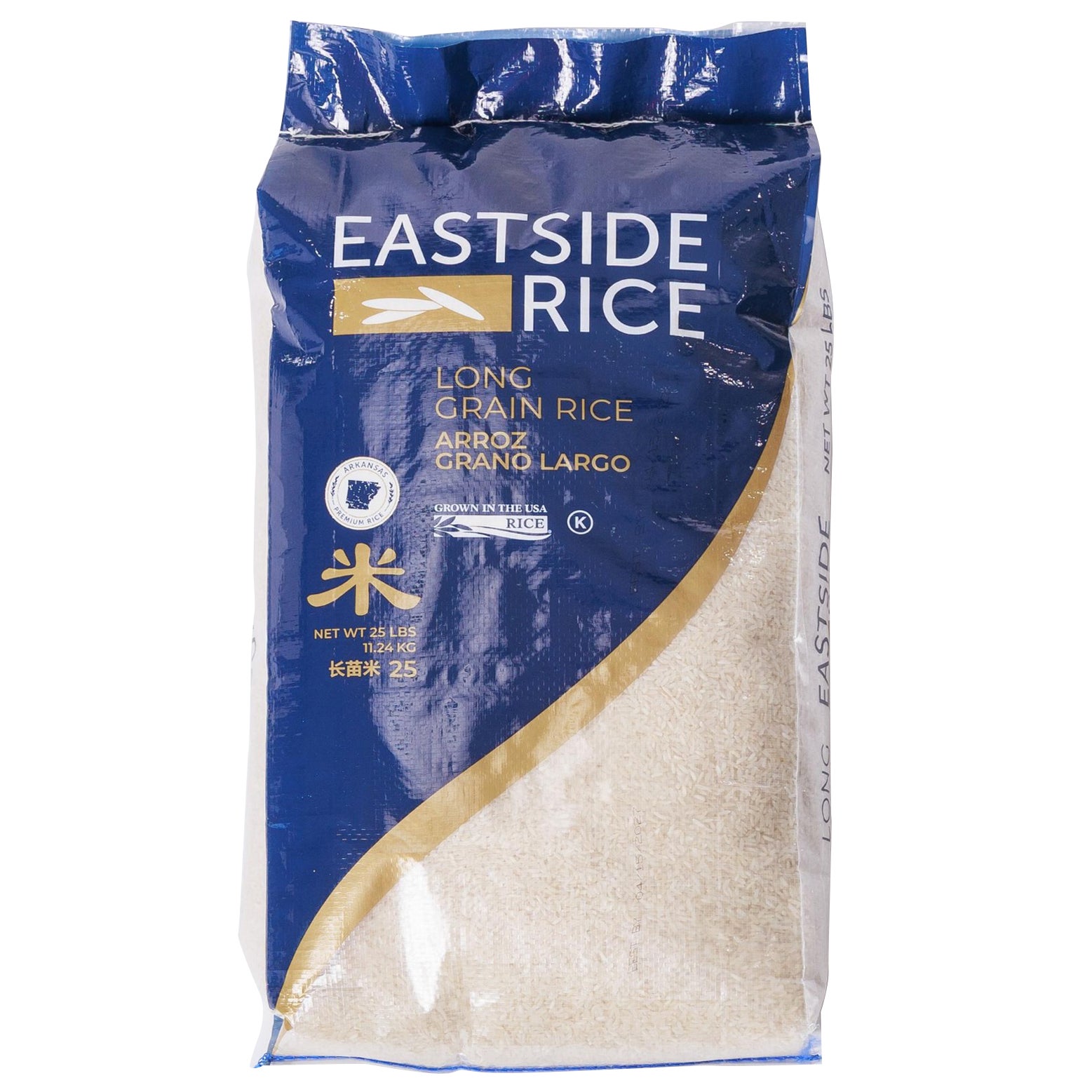


Eastside Rice Long Grain Rice
Analysis updated August 2026 · How Scout scores
At a glance
Summary
Long Grain Rice is a minimally processed whole food, which contributes to its high score. The addition of essential nutrients like ferric phosphate, niacin, thiamine mononitrate, and folic acid enhances its nutritional profile without introducing harmful substances. Its simple ingredient list and low processing level make it a healthy choice.
Key ingredients 5
NiacinGood
Niacin is a vital B vitamin that supports energy metabolism and overall cellular health.
See more about Niacin →Thiamine MononitrateGood
Thiamine Mononitrate provides essential vitamin B1, important for energy production and nerve function.
See more about Thiamine Mononitrate →Long Grain RiceNeutral
Long Grain Rice is a common staple food providing energy and carbohydrates, with a neutral impact on health.
See more about Long Grain Rice →Folic AcidNeutral
Standard formulation ingredient — neither beneficial nor harmful at typical use.
See more about Folic Acid →Ferric PhosphateBad
Ferric Phosphate is added as a fortification agent but may be considered less desirable due to potential concerns about additive intake.
Processing
Unprocessed or Minimally Processed Foods
Get the full breakdown in the Scout appTake Scout shopping
Scan any product to see lab results, healthy alternatives, and your personalized analysis.
Download on theApp Store GET IT ONGoogle Play